
Reviewed · LUCCA TOURS
Lucca: Renaissance City Walls Walking Tour
What makes the Lucca Walls tour genuinely interesting is the combo: you stroll the top of the old defenses and then step inside the structure itself. You get both the public promenade and the less-seen interior spaces, including the galleries and rooms tucked within the fortifications.
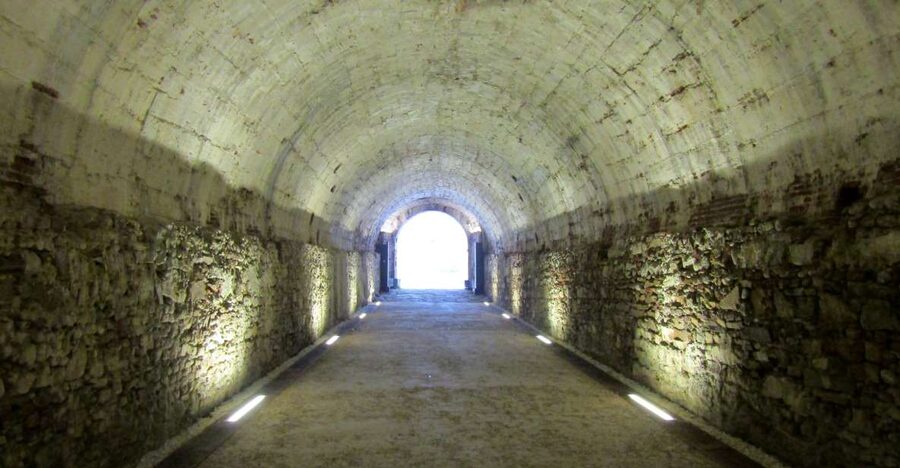
I like the guide-led focus on how military engineering in Italy evolved from the 13th to the 17th centuries. I also love the visual payoff, those immense brick vaults inside, built for hiding heavy bronze cannons.
One thing to plan for: since the tour runs in both English and Italian, pace can feel a bit tight if the guide is cycling between languages in the same group.
Key Highlights to Look For
- Renaissance walls that frame Lucca’s historic center, now a park you can walk on
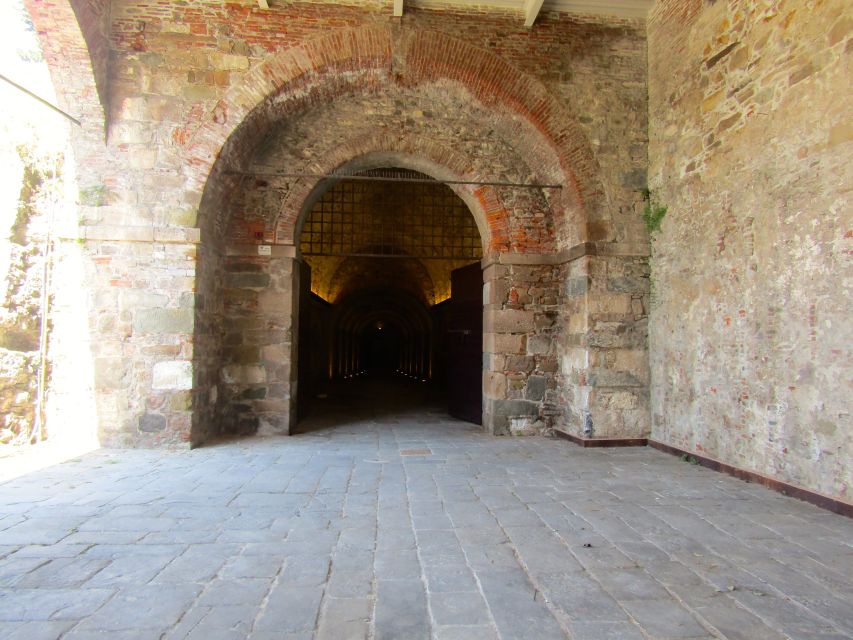
- Interior access to bastions, including recently restored rooms
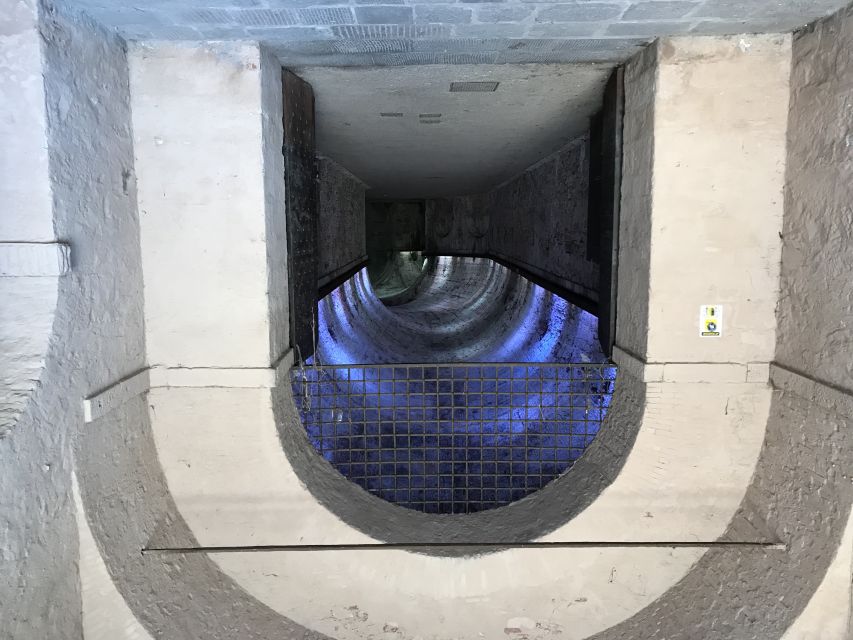
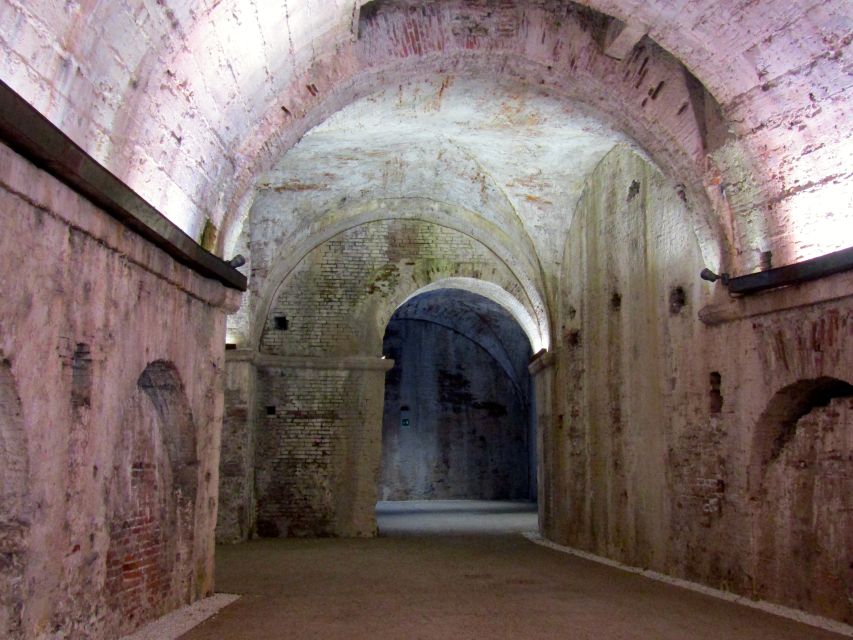
- Brick-vault galleries that explain how cannons could be concealed
- A local guide who brings the engineering story to life, with standout names like Roberta, Paula, and Paola
- Outdoor walking plus indoor viewing, so you get variety in a 2-hour loop
Why Lucca’s Renaissance Walls Feel Different From Other City-Wall Walks
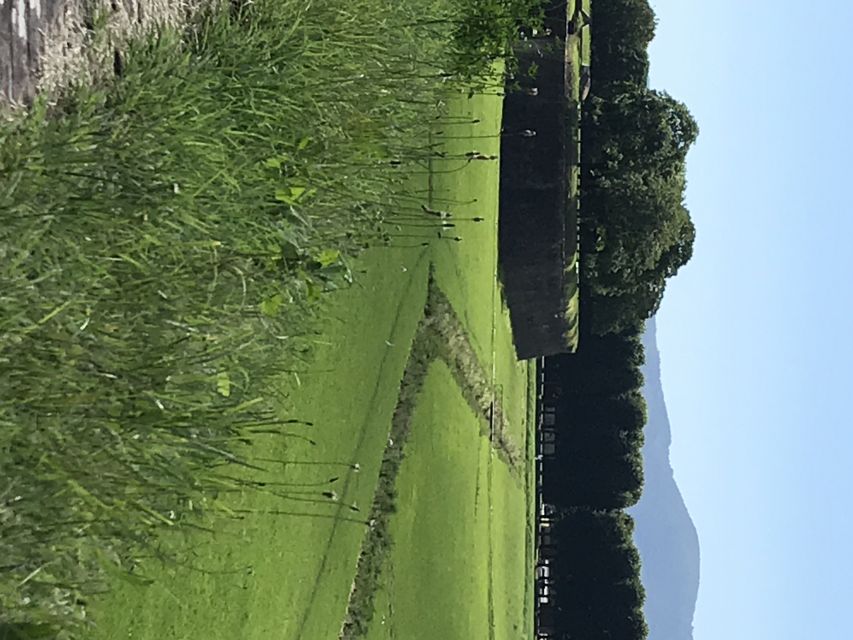
Most city walls are either all view from the outside, or they are mostly about museums and artifacts. Lucca gives you something more practical and physical. You walk the elevated outer walkway around the historical center, with a sense of boundary and control that makes sense even before the guide starts explaining.
The big idea here is that these walls were built for defense, but they’ve also become everyday public space. That shift is part of the charm. You’re not just looking at old stone. You’re moving along an organized system that once shaped how people could live, trade, and protect themselves.
Then, the tour changes gears. You visit the interior of the bastions and the galleries, where the architecture tells the story of the weaponry and the tactics. When you see the brick vaults, it clicks why this design mattered. The walls aren’t just a boundary, they were a machine for protection.
More Lucca tours:
- Lucca: 2-Hour City Center Walking Tour
★ 4.7 · 1,314 reviews - Lucca: Puccini Festival Opera Recitals and Concerts
★ 4.7 · 1,278 reviews - Lucca: Guided Winery Tour with Wine Tasting
★ 4.7 · 611 reviews
Getting Ready: Where You Meet and How the 2-Hour Tour Works
Plan on a straightforward, self-contained outing. You’ll meet your bilingual guide by the entrance of the tourist information center, and you should arrive about 10 minutes early. The tour ends back at the same meeting point, so you’re not stuck figuring out your way out after the last indoor stop.
It runs for about 2 hours, and starting times can vary, so check what’s available on your dates. Wear comfortable shoes. This is a walking tour that takes place rain or shine, so you’ll want shoes that stay comfortable even if the weather turns.
One small practical note: you’ll hear the tour in English and Italian (both languages are listed). That’s great if you’re comfortable with either one, but if you’re strongly focused on just English, keep an eye on how the guide structures bilingual narration in your group.
The Outer Promenade: Walking the Tree-Lined Walls Like a Local
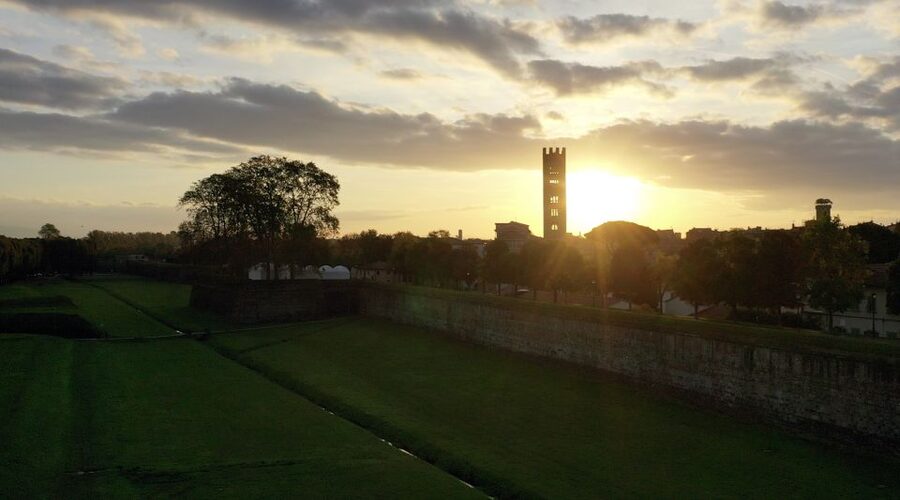
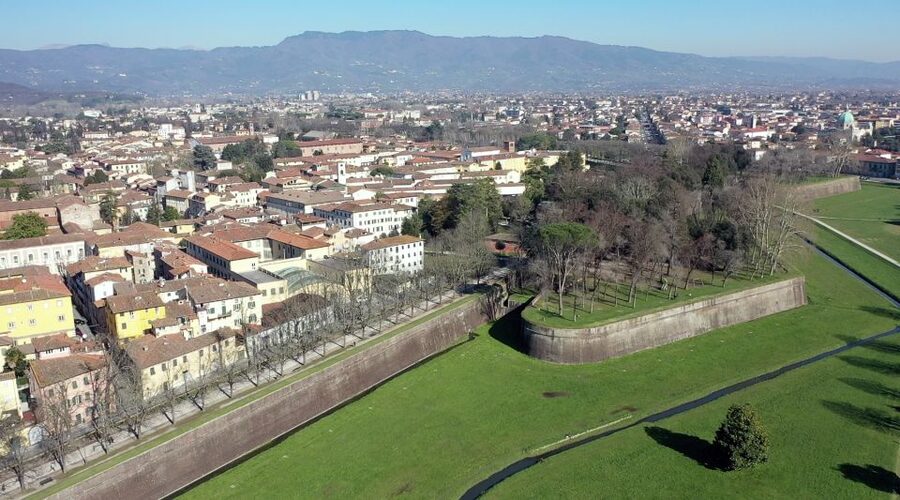
The centerpiece is the walk on the historic walls, a large public park that surrounds and delimits Lucca’s historical center. You move along an elevated path, which changes your perspective. Streets below feel like part of the town layout rather than something you’re just passing through.
The walkway is flanked by different varieties of trees. That sounds simple, but it matters. It breaks the walk into sections and gives you a calmer rhythm than a bare stone ramp. On a warm day, the trees can take the edge off the exposure. On a rainy day, you still get the experience, since the tour runs rain or shine.
As you walk, your guide ties what you see to why it was built. Even without getting technical, the wall line reads as a planned system. It’s not random. It’s a perimeter designed around the military thinking of its time.
What you’ll likely appreciate most is how quickly the walls turn into a “real place.” You’re not wandering a ruin. You’re following an organized route that has been repurposed into a public promenade.
Stepping Inside the Bastions: Rooms and Galleries You Can Actually Enter
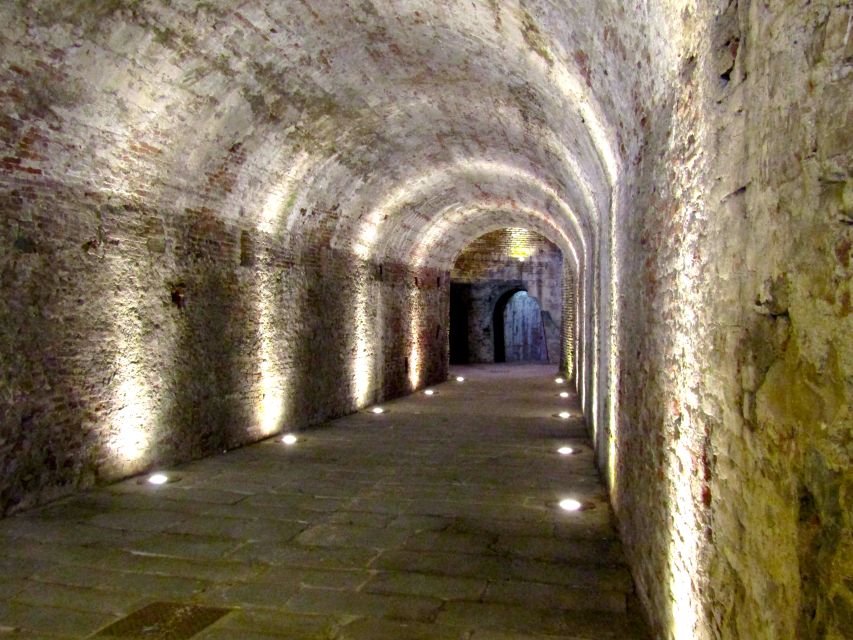
This tour’s value jumps when you cross the threshold from walking outside to exploring the interior. You visit the interior of the bastions, and you’ll also see the galleries and rooms that have been restored.
Restoration is a big deal here. These rooms have been brought back so they’re usable for visits, not just closed-off spaces. That means you don’t just get a few architectural glimpses through openings. You can move through interior areas designed for explanation and viewing.
The experience is framed as a transition from inside the city to outside. That sounds poetic, but the practical meaning is clear: you’re standing in built space that connects the town’s everyday life with the outer defenses. The “simple and very suggestive” feeling comes from how the building guides your attention, from enclosed interior sections back toward the wall walk.
If you like sites where you can touch the story with your own feet, the interior stops are the highlight. They add dimension that the wall-top walkway alone can’t deliver.
More walking tours in Lucca:
- Discover Lucca’s Secrets on a Guided Walking Tour
★ 4.5 · 485 reviews - Lucca: Guided Food Walking Tour with Tastings
★ 4.8 · 112 reviews - Lucca: Guided City by Night Walking Tour
★ 4.5 · 31 reviews - Lucca: Musical Walking Tour with Puccini Museum Visit
★ 4.5 · 21 reviews
Brick Vaults and Hidden Cannons: The Engineering Story That Changes How You See It
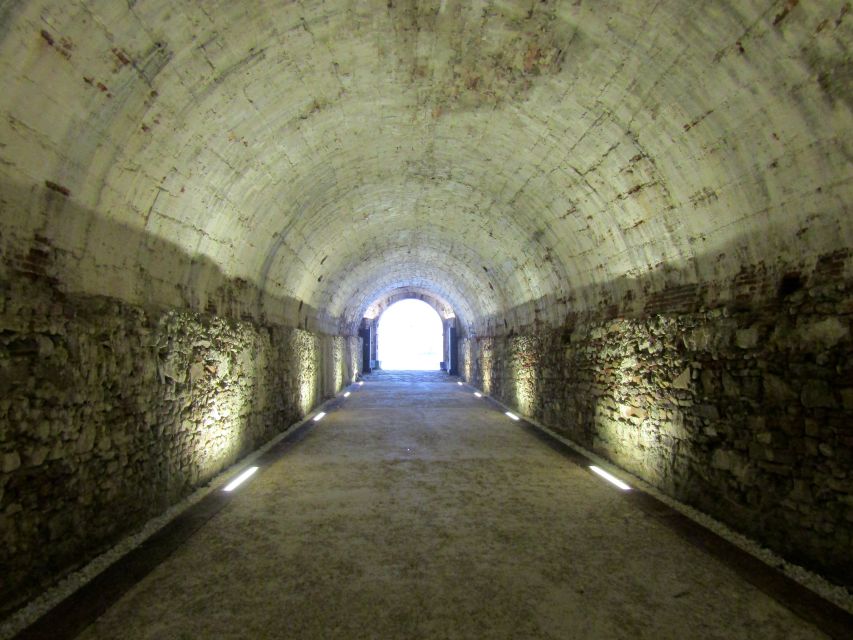
One of the most memorable parts is the immense brick vaults inside the galleries. This isn’t just impressive because it looks heavy and old. It’s impressive because it’s functional.
Your guide explains how the fortifications evolved over centuries, from the 13th through the 17th century. That period matters because weapon technology and military strategy changed fast. Walls and defenses had to keep up.
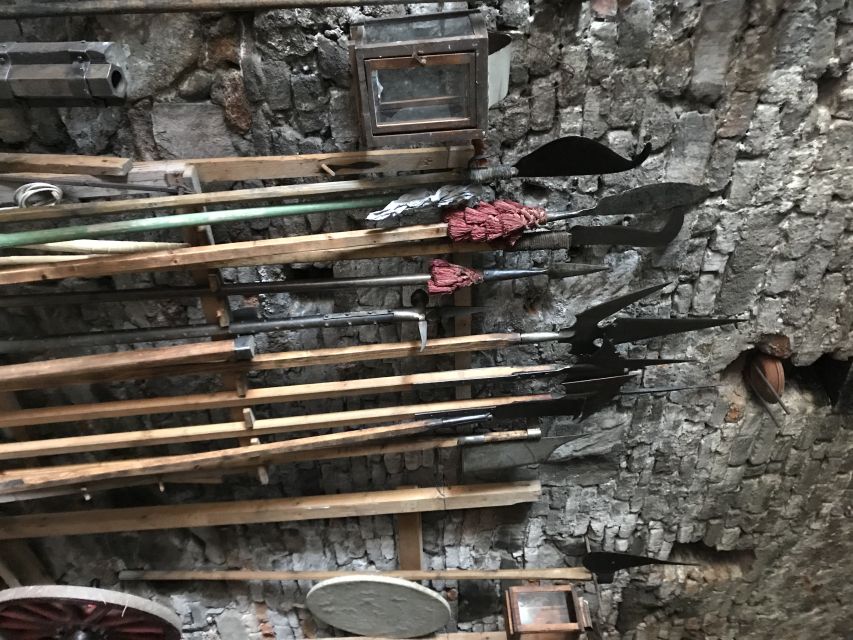
A specific detail you’ll be taught is that the brick galleries were built for hiding heavy bronze cannons. Once you hear that, the vaults stop being just architectural decoration. They become part of a protective system: create spaces that shelter and control heavy equipment, keep it out of direct sight, and allow defensive positioning when needed.
Also, there’s a twist in the way these bastions are presented: they were never used for defensive purposes. That’s the kind of detail that makes history feel less like a textbook and more like a real timeline with plans, changes, and outcomes. It suggests that construction, military theory, and actual use did not always line up neatly.
If you care about the “why” behind design, you’ll leave understanding the walls as engineering, not only as scenery.
What the Guide Brings (and Why People Talk About Names Like Roberta)
The tour is led by a bilingual local guide. In the feedback, names like Roberta, Paula, and Paola come up with strong praise. The common thread is energy and clarity. These guides don’t treat the walls like a list of facts. They connect the structure to how it worked across time.
I think that matters because this is a technical subject disguised as a pleasant walk. You’ll be talking about military engineering, fortification evolution, and the purpose of architectural features. A good guide keeps it understandable while still respecting the complexity.
You’ll also get a sense of how the walls functioned from different angles: the outside perimeter you can walk, and the inside spaces built to protect equipment. When a guide explains both, the site becomes coherent.
One consideration to keep in mind: if your group ends up mixed between English and Italian, the guide may need to cover both languages in sequence. That can make the tour feel rushed in parts, especially if you’re listening for just one language the whole time. If uninterrupted narration is your top priority, it helps to confirm language delivery when you book.
Timing, Pace, and How to Enjoy It Without Feeling Rushed
This is a 2-hour experience, so everything is paced to fit. You’ll do both outdoor walking and indoor viewing, which means there isn’t time to linger forever at each corner.
One practical way to enjoy it is to stay present rather than trying to multitask with photos nonstop. The interior stops and the explanation of the vaults are where your attention really pays off. If you’re constantly stopping to shoot pictures, you may miss the moment when the guide points out why a feature exists.
Also, arrive on time. The meeting point is straightforward, but a tour that involves both walking and indoor time works best when everyone starts together. If you’re early, you can settle in and get your bearings before the group moves out.
Value at About $17: What You Get for the Money
At around $17 per person for a 2-hour guided experience, you’re paying for access and interpretation.
Here’s the value in plain terms:
- You get a local bilingual guide, not just a self-guided walk.
- You access interior bastion spaces, including galleries and restored rooms.
- You learn why the brick vaults and galleries exist, including the detail about hiding bronze cannons.
- You cover both the wall-top promenade and the interior components, so your time isn’t split between separate attractions.
If you were to try to see the walls and then independently hunt down interior areas, you’d likely spend more time figuring out what’s open and what’s worth seeing. Paying for the guided flow is what makes the price feel fair.
The tour is also designed for everyday visitors, not only hardcore fortification fans. Even if you’re not into military history, the structure is physical and visual enough that the explanations still land.
Who Should Book This Tour (and Who Might Skip It)
This is a great fit if you want:
- A guided walk that mixes outdoors and interiors in the same outing
- A clear explanation of how Renaissance fortifications worked
- A hands-on feel for restored spaces inside the walls
- Architecture lovers who enjoy how function shapes form
It may not be the best fit if:
- You strongly prefer an all-English (or all-Italian) experience and worry about pace when languages are combined
- You want a long, unhurried wandering tour with no structure. This one is organized to fit everything into about 2 hours.
Since it’s listed as wheelchair accessible, it’s also worth considering if you need mobility-friendly options. Still, bring comfortable shoes, since the tour includes walking on the wall-top promenade.
Should You Book the Lucca Walls Walking Tour?
I’d book it if you want your Lucca day to feel purposeful and memorable. The combination of the tree-lined wall walk plus interior access to bastions and brick-vault galleries is exactly the kind of “more than postcard” experience that gives you real understanding.
If you’re sensitive to language switching, you can still go, just be aware that bilingual narration is part of the format. Plan to listen closely and don’t treat it like a self-guided lecture. This is architecture plus story, and a strong guide makes the difference.
If your priority is a quiet independent stroll only, you might do just fine wandering the walls on your own. But if you want the why behind what you’re seeing, this guided tour is the efficient, high-value way to experience Lucca’s Renaissance fortifications.
FAQ
What is the price of the Lucca Walls Walking Tour?
The price is $17 per person.
How long is the tour?
The tour lasts about 2 hours. Starting times can vary, so check availability for the times offered.
Where do I meet the guide?
Meet your guide at the entrance of the tourist information center. Arrive about 10 minutes before the activity starts.
What languages is the tour offered in?
The tour is offered in English and Italian, with a live bilingual tour guide.
Is the tour wheelchair accessible?
Yes, the tour is listed as wheelchair accessible.
What should I bring?
Bring comfortable shoes, since it is a walking tour.
Does the tour run in bad weather?
Yes, the tour runs rain or shine.
Just reviewed around Lucca
- Private Pisa and Lucca Tour from Florence with Transportation★ 5.0 · 6 reviews
- Lucca: Rafting Adventure★ 4.7 · 6 reviews
- Pisa: Self-Guided Bike Tour to Lucca★ 4.9 · 28 reviews
- Pisa and Lucca: Private Full-Day Tour by Deluxe Van★ 4.8 · 8 reviews
- From Florence: Pisa and Lucca Full-Day Private Tour★ 5.0 · 3 reviews
- Lucca Tour & Pisa Tower + Wine Tasting by van from Livorno★ 5.0 · 6 reviews
- Lucca: Fresh Pasta-Making Class at a Local’s Home★ 4.6 · 5 reviews
- Lucca: Traditional-Traditional Cooking Class cuisine course★ 5.0 · 10 reviews
Lucca Tours, compared.

Discover Lucca’s Secrets on a Guided Walking Tour
Read our review →

Lucca Bikes and Bites with food tastings for Small Groups or Private
Read our review →Browse the lists this tour appears in