
Reviewed · TUSCANY COUNTRYSIDE TOURS
Cortona: Guided Walking Tour
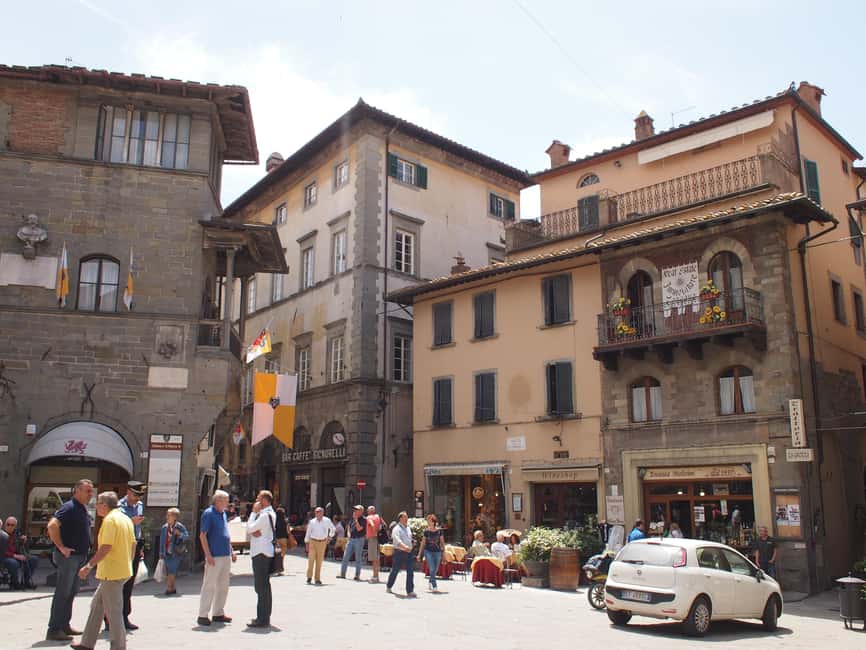
Cortona is the kind of Tuscan town where the past feels close enough to touch, from Etruscan origins to medieval stonework. On this 2-hour guided walking tour, I like that you get a tight route through the town’s key public spaces, and you also get context for what you’re seeing, not just a photo stop parade. You’ll visit Piazza Signorelli and the Girifalco Fortress area, plus the oldest Etruscan-rooted gate, Porta Bifora.
One heads-up: the Etruscan Academy museum is not included. Your guide can often help you see the most important finds if you ask, but you will want to plan around that add-on if museum time matters to you.
Key things that make this Cortona tour worth your time
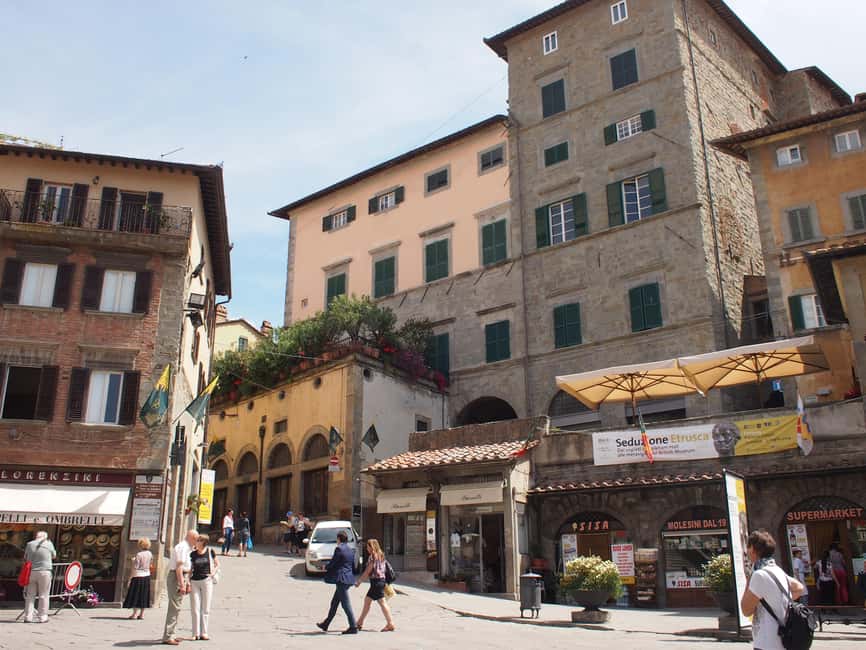
- A smart 2-hour loop through Cortona’s main squares and viewpoints, without wasting time
- Etruscan context tied directly to specific buildings and walls, not generic facts
- Piazza del Duomo and its fourteenth-century gothic cathedral as a real focal point
- Girifalco Fortress and ancient walls, including Porta Bifora, the older Etruscan-origin gateway
- A guide who works the room, including families, with practical local pointers for food and shops
- Etruscan Academy add-on possible, including rare finds like the Etruscan chandelier (entrance not included)
Why Cortona’s street-level history feels special
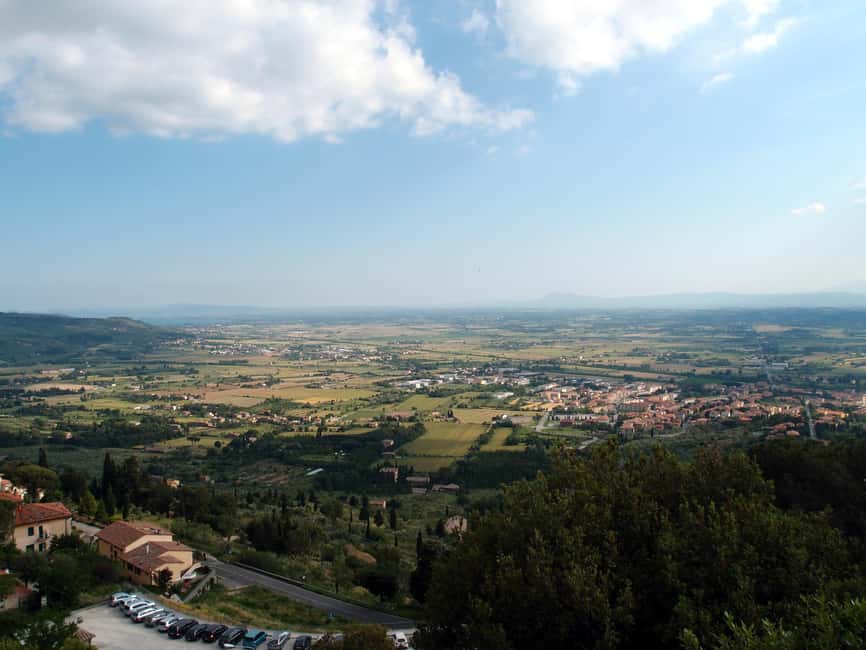
Cortona sits in the center of an impressive countryside, and that matters. When you walk, you’re not just moving between sights, you’re gradually climbing into viewpoints that make the town’s layout click. The result is that Etruscan origins, medieval buildings, and Renaissance-era references feel linked instead of random.
This tour is built around that “why does this place look like this?” feeling. You’ll hear how Cortona’s roots go back to the Etruscans, and you’ll see evidence of it in the town fabric, especially the walls and Porta Bifora. It’s a way to understand a hill town fast, and for most people, that is the real value.
The walk is also designed to be manageable. It’s short, 2 hours, with several stops that balance indoor or hard-to-reach angles with time to simply look around and take photos.
More Tuscan countryside outings:
- Small-Group Wine Tasting Experience in the Tuscan Countryside
★ 5.0 · 7,392 reviews - San Gimignano, Siena, Monteriggioni, Chianti Day Trip with Lunch & Wine Tasting
★ 4.5 · 4,432 reviews - Florence: Siena, San Gimignano & Monteriggioni with Tasting
★ 4.6 · 3,218 reviews
Getting oriented at Piazza Garibaldi, then walking the town spine
The meeting point is Piazza Garibaldi, right at the entrance of the escalators. That is useful. It means you likely won’t need to decipher tricky meeting instructions or chase your guide across town.
From there, the route begins with Piazza della Repubblica for about 30 minutes. Think of this as your orientation pause. Even without going inside every landmark, you can get your bearings on where the town’s civic life sits and how the squares feed into one another. If you’re prone to getting turned around in older Italian centers, this early structure helps.
Then you move on to Piazza Luca Signorelli for another 30 minutes. This is where the tour starts blending history with art and naming. You’ll connect the plaza to Piazza Signorelli, named for the Renaissance painter (Luca Signorelli), who had ties to Leonardo da Vinci. The point is not to memorize artist timelines, but to understand why that name is attached to this corner of Cortona.
Town Hall and the Palace of the Captain of the People
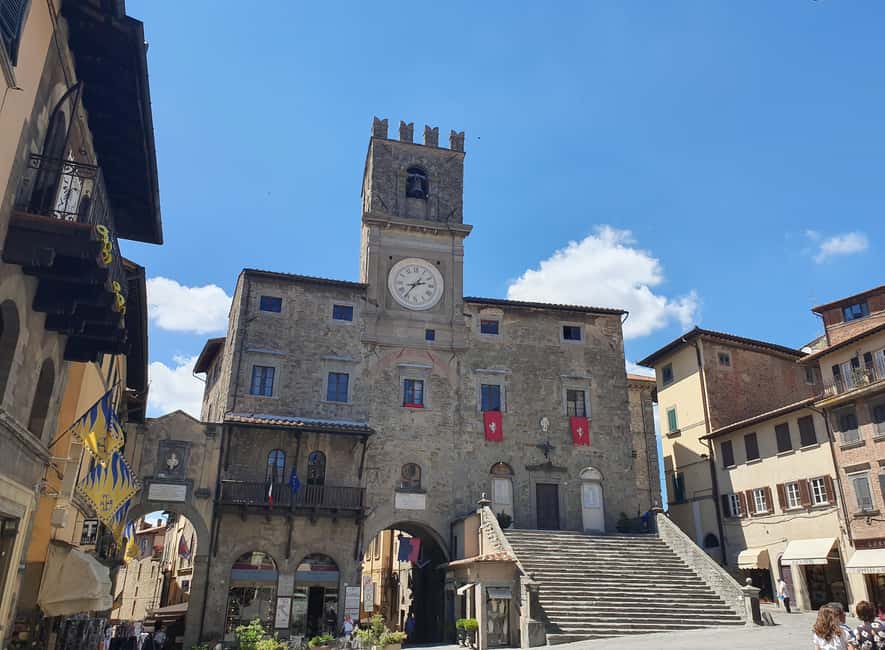
One of the nicest parts of this itinerary is that it starts with civic architecture: the Town Hall and the Palace of the Captain of the People. These buildings anchor the story of how Cortona functioned beyond churches and fortress walls.
In hill towns like this, “power” is often visible in stone. Civic buildings tend to sit where people naturally gather, and that makes them easier to picture historically. You’re not guessing what a ruling role looked like. You’re looking at the real layout, the real facade, and the real way the square connects to foot traffic.
There’s also a practical benefit. By the time you reach the more scenic, dramatic spots high above town, you’ll already understand what you’re seeing. You’ll notice relationships between civic space and defensive space, instead of treating them as separate attractions.
Piazza Signorelli: where art history meets daily life
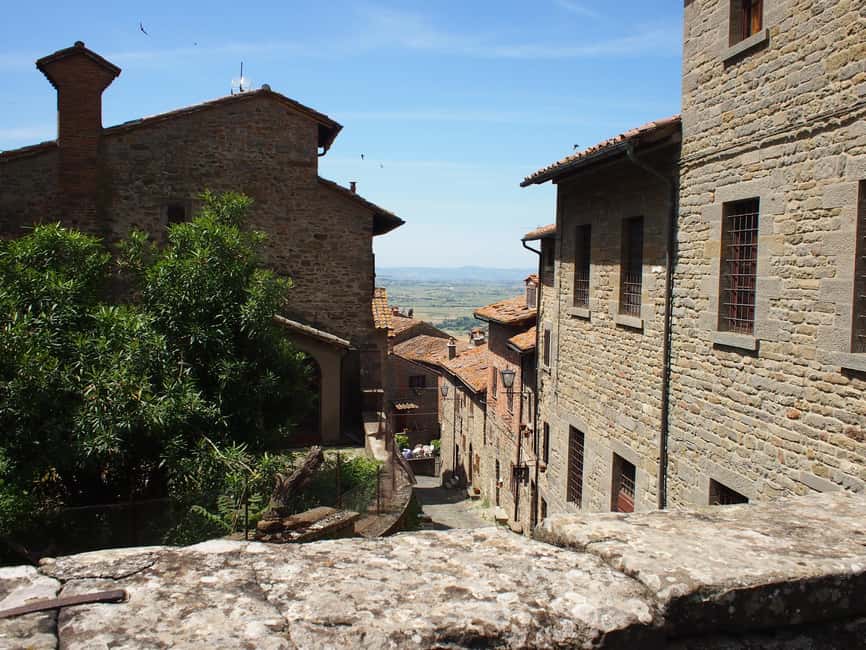
After the civic focus, the tour brings you into the orbit of Piazza Signorelli, named for Luca Signorelli. This works because piazzas are where towns explain themselves. They are the social stage, and they often hold layers of time.
You’ll stroll through the square and hear why this name matters. The guide also ties the painter’s presence in the story to the wider Renaissance world, including the fact that Signorelli was a friend of Leonardo da Vinci. That kind of link does more than add trivia. It helps you see Cortona as part of the same cultural web that shaped major Italian cities, even if Cortona’s scale is much smaller.
This is also an easy moment to reset. Two hours is enough time to move through key highlights, but it’s also short enough that you need little pockets to breathe. Piazza Signorelli is one of those.
More walking tours in Florence:
- Florence: Guided Walking Tour
★ 4.5 · 3,334 reviews - Skip the line: Uffizi and Accademia Small Group Walking Tour
★ 4.5 · 3,135 reviews - Florence: Guided Walking Tour
★ 4.6 · 1,602 reviews - Florence: Renaissance and Medici Tales Guided Walking Tour
★ 4.8 · 1,549 reviews
Piazza del Duomo and a fourteenth-century gothic cathedral
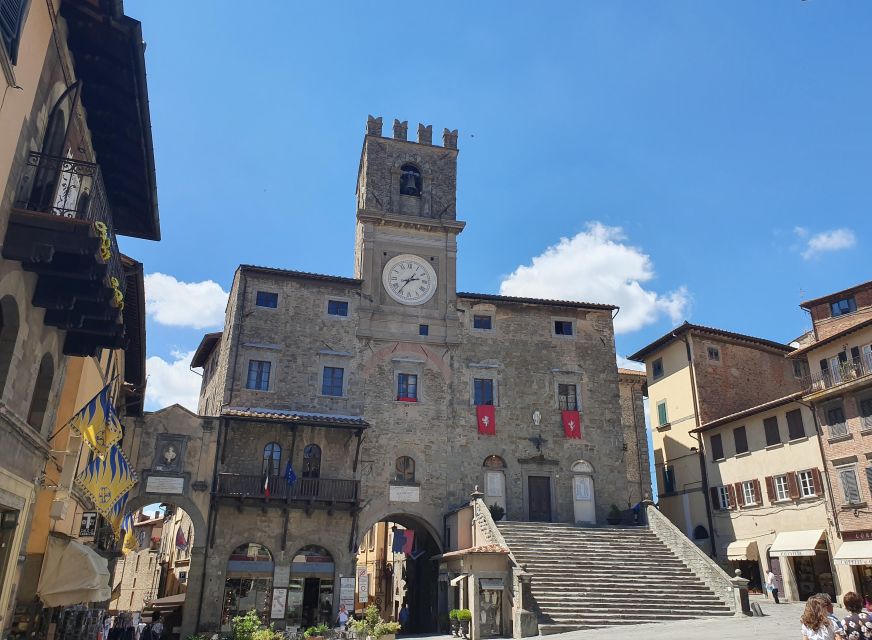
Then you hit Piazza del Duomo for about 30 minutes. This is your church-and-square moment, and it’s a highlight for good reason. The centerpiece is a fourteenth-century gothic cathedral, and gothic architecture has a very specific look that changes how you read the square.
On a walking tour like this, the Duomo stop is where the town’s spiritual and artistic priorities show up in one place. You’ll have context for the cathedral’s setting and why this is where people historically gathered, not only for worship but for community rhythm.
One thing I like about placing this stop before the fortress climb is energy management. You get a meaningful interior-adjacent moment (depending on what you can see from outside), then the tour shifts toward views and walls. If you’re the type who gets tired on long walks, this sequence feels kinder.
Girifalco Fortress and the viewpoint that makes the town click
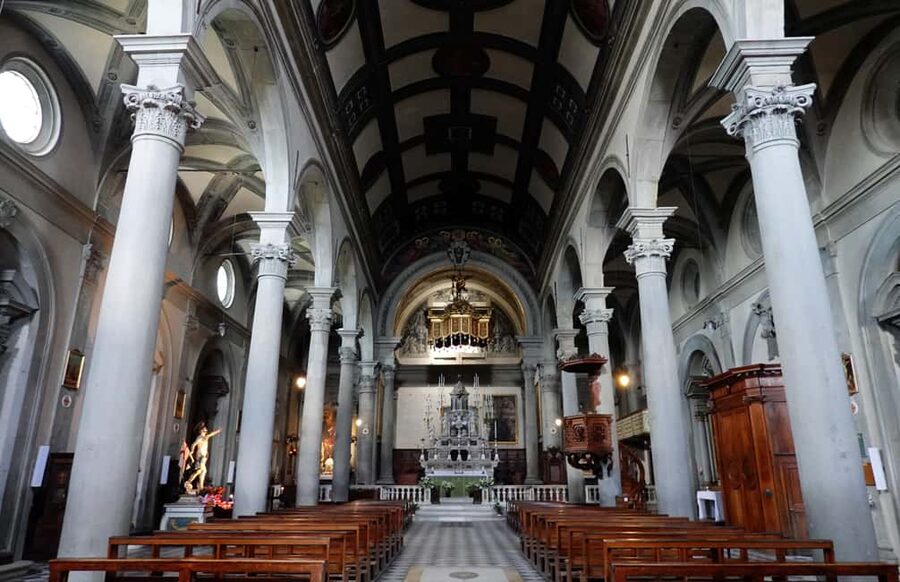
Next comes Girifalco Fortress, with about 15 minutes there. Fortress areas are often a quick “look at the view” stop, but here you get more. The tour connects the fortress setting with Cortona’s ancient walls and Etruscan-rooted defensive thinking.
Even if you only spend a short time at the fortress, it’s a big payoff. Fortresses exist because high ground matters. When you see the layout from above, the town’s placement inside the countryside becomes obvious. You’ll understand why this place grew where it did, and why the walls were worth maintaining.
If you’re traveling with kids, this is also a good moment. High points and wall views make history feel like something happening in real space, not just a museum label. In recent feedback, the guide Laura was praised for getting families involved, and this sort of stop is where that usually shows.
Porta Bifora, the oldest gate with Etruscan roots
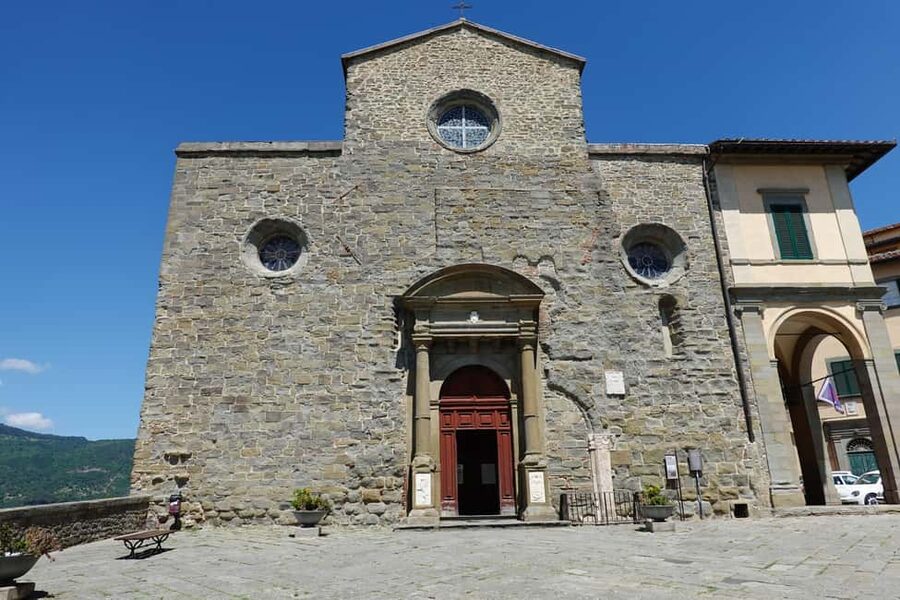
The last exterior highlight is Porta Bifora, about 15 minutes, and it’s one of the most intriguing stops on the route. This gate is called out as being the oldest, with Etruscan origin.
That matters because Porta Bifora is not just a scenic relic. It’s a physical reminder that Cortona’s story did not begin in the medieval period. When you stand near a gate like this, you’re standing near a structural “memory” of the town.
Also, if you like history you can point to, this is it. A fortress can be “big and dramatic.” A gate can be “specific and real,” and you can actually imagine travelers and carts funneling through the same passage. Your guide can help you make that mental picture quickly.
The Etruscan Academy museum request, including the chandelier
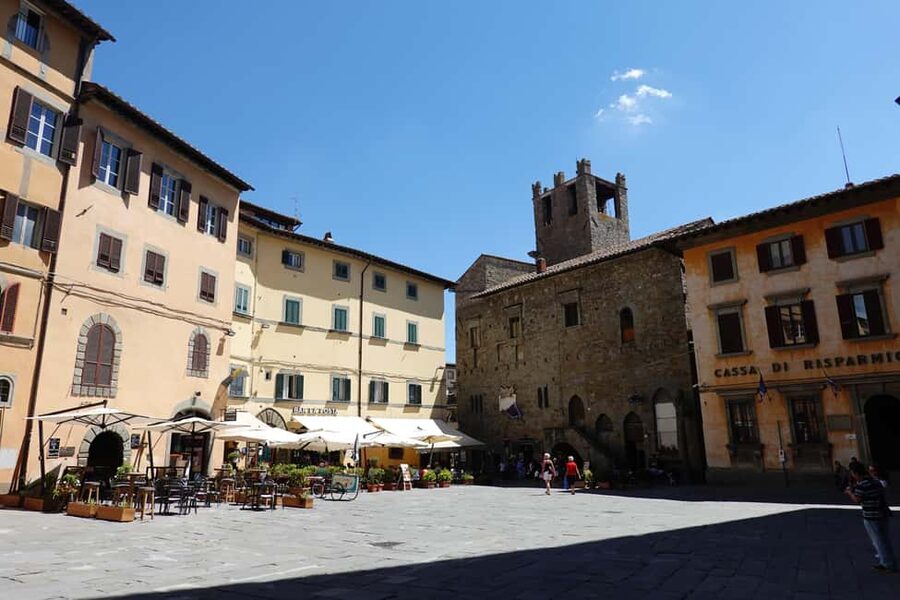
One of the most interesting optional elements is the Etruscan Academy museum. Museum entrance is not included, but the guide can walk with you and explain key finds if you ask.
The most specific detail mentioned is the Etruscan chandelier, described as one of the rare finds you might see. That gives you a concrete reason to consider the add-on, because it sounds like exactly the kind of artifact that makes an Etruscan story feel tangible.
Here is how to think about it: if you love museums, you’ll probably want to plan time and budget for the entrance. If you prefer street-level exploration and viewpoints, you can treat the museum as optional. Either way, the tour gives you the street context first, so the museum, if you choose it, lands better.
Food and shopping tips from your guide matter more than you think
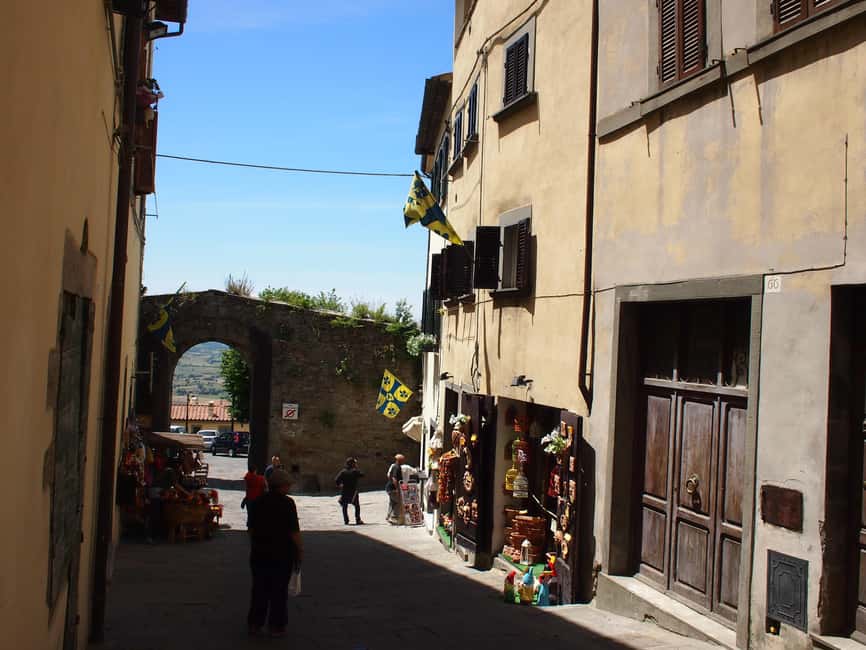
This is one of those tours where the small guidance pays off. Your guide will offer advice on what to eat and where to taste Cortona specialties. They may also introduce you to local merchants and shops.
That matters because Cortona is not only a photo destination. It’s a place where people still run everyday businesses, and the best “tastes” are often outside the narrow band of the most obvious tourist stops.
In feedback tied to this experience, the guide Laura was praised for recommending local places and for being genuinely accommodating. If you show even mild interest, you’ll likely get practical suggestions you can use immediately after the walk.
How long is enough, and what the 2-hour pace feels like
The tour is 2 hours total, with short guided stretches at each stop. The itinerary is built around movement plus time to look, which is perfect for a place like Cortona where views and stone textures are the main attraction.
You’ll spend about:
- 30 minutes at Piazza della Repubblica
- 30 minutes at Piazza Luca Signorelli
- 30 minutes at Piazza del Duomo
- 15 minutes at Girifalco Fortress
- 15 minutes at Porta Bifora
That adds up to a tour that feels structured but not rushed. You are not sprinting across town, and you still have enough time to absorb details you’d miss on your own.
Price check: is $222 per person good value?
At $222 per person for a 2-hour private group walking tour, the price is not low. But it can be good value depending on what you want from the day.
Here’s the value math I’d use:
- If you want context tied to multiple specific landmarks (not just general commentary), a trained guide saves time and confusion.
- If you’re visiting for a short window, 2 hours can compress a lot of meaning into a limited schedule.
- If you care about museum add-ons like the Etruscan Academy, the guide can make that easier by pointing out what to pay attention to, even though the entrance itself is not included.
Where the cost may feel less worth it is if you prefer to roam independently and only want viewpoint photos. In that case, you might spend less money and still enjoy Cortona. But if you want the “why” behind Etruscan roots, medieval civic power, and the layout of walls, this kind of guided route tends to justify itself.
Who this tour is best for
This tour is a strong pick if you:
- Want a fast introduction to Cortona’s Etruscan to medieval story
- Prefer guidance that includes architecture, plazas, and walls, not just scenic stops
- Travel as a family, especially if you want your kids included in the conversation (feedback specifically mentioned this)
- Need wheelchair accessibility and a private group format
- Like the idea of getting real food and shop advice while you’re already in town
It’s also a good match if you’re comfortable walking on cobblestones or uneven old-stone surfaces, since comfortable shoes are suggested.
A practical takeaway: what to do after the tour
By the time you return to Piazza Garibaldi, you’ll have a clear mental map. That’s useful because Cortona has a way of making you want to wander in circles. With the major squares and the wall area now “placed” in your mind, you can confidently choose where to go next.
Use the guide’s food suggestions right away. Start with one specialty you want to try, then make a second plan based on what looks best on the street. With a short walking tour, you’re not obligated to do everything. You’re set up to choose well.
Should you book the Cortona guided walking tour?
I’d book it if you want a structured, high-context walk through Cortona’s core highlights in just 2 hours, especially if the idea of Etruscan roots tied to real walls and gates sounds exciting. It’s also a great choice if you value a guide who pays attention to the group, including families, and can point you toward Cortona specialties.
Skip it or keep expectations flexible if you mainly want long, independent wandering and don’t care much about history explanations, or if you’re determined to prioritize the Etruscan Academy museum itself since entrance is not included.
If you do book, wear comfortable shoes, bring a passport or ID card (a copy is accepted), and ask about the museum add-on. That question can turn a good walking tour into a memorable history hour.
FAQ
How long is the Cortona guided walking tour?
It lasts 2 hours.
Where do I meet the guide?
Meet at Piazza Garibaldi, at the entrance of the escalators.
What major sights are included in the tour?
You’ll visit or walk through Piazza Signorelli, Piazza del Duomo and its gothic cathedral area, the Town Hall and the Palace of the Captain of the People, Girifalco Fortress, and the ancient walls with Porta Bifora.
Is the Etruscan Academy museum included?
No. Entrance to the Etruscan Academy museum is not included, but your guide can be happy to walk through it with you if you ask.
What languages are available for the live guide?
The guide offers live tours in English, German, French, Italian, and Spanish.
Is this tour wheelchair accessible?
Yes, it is listed as wheelchair accessible.
What should I bring for the tour?
Bring a passport or ID card. A copy is accepted.
How much does it cost, and is it private?
The price is $222 per person, and it is a private group tour.
Just reviewed around Florence
- Tuscany: Leonardo da Vinci – Oil and Wine Discovery Tour★ 4.8 · 5 reviews
- Livorno Port, Pisa, Florence: Full-Day Shore Excursion★ 4.8 · 51 reviews
- Legends of Florence: Exclusive Walking Tour by night★ 4.9 · 70 reviews
- Leather and Passion: A Tour of Florentine Craftsmanship★ 5.0 · 16 reviews
- Illuminated Florence Tour for Kids with Gelato & Pizza★ 5.0 · 6 reviews
- Inferno Florence Private 3-Hour Tour★ 4.8 · 20 reviews
- Hidden Florence: 2-Hour Guided Walking Tour★ 4.7 · 36 reviews
- 3-Hour Historic WhoDunIt Tour in Florence★ 3.2 · 6 reviews
Tuscany Countryside Tours, compared.
Small-Group Wine Tasting Experience in the Tuscan Countryside
Read our review →
San Gimignano, Siena, Monteriggioni, Chianti Day Trip with Lunch & Wine Tasting
Read our review →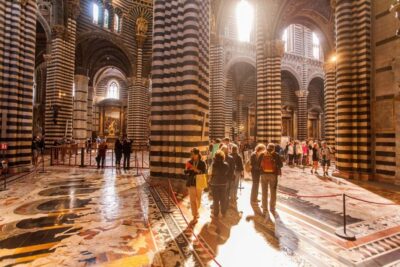
Siena, San Gimignano & Monteriggioni with Tasting
Read our review →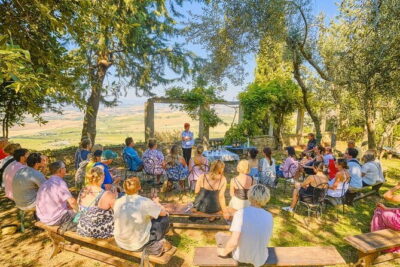
Full Day Tour to Val d’Orcia and Gladiator’s Fields with Wines
Read our review →
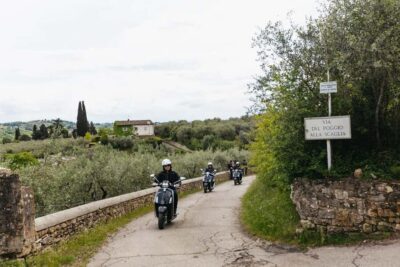
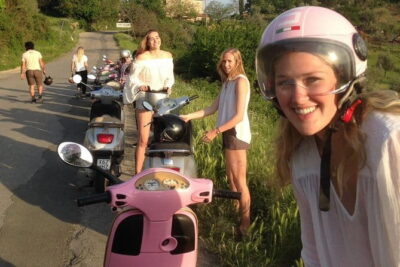
Tuscany Vespa Tour: Lunch & Wine Tasting, Countryside Roads
Read our review →
Countryside Tour with Wine Tasting & Pasta Class
Read our review →Browse the lists this tour appears in