

Reviewed · WALKING TOURS
Essential Florence Walking Tour to discover its history
Florence can be overwhelming fast. One moment you are on a street that looks like it belongs in a postcard, and the next you are staring at architecture that shaped art and power for centuries. This is a 3-hour walking tour built to make those sights make sense, with stories that connect the Roman start, the rise of medieval Florence, and the Medici era.
I especially love two things. First, the guide-led storytelling is front and center, and in past groups guides like Becky, Lisa, and Andrea have been praised for bringing Florence to life with clear explanations and lots of Q and A. Second, the route feels thoughtfully packed into a compact area, so you get major landmarks like Ponte Vecchio and the Santa Trinita area without spending your whole day in a bus seat.
One consideration: this is a walking tour with steps, and it is not a good fit if you have mobility limits, recent surgery, or back problems. If you are dealing with foot pain, plan for real walking on cobblestones and stairs.
Key Points You Will Actually Care About

- A 3-hour, story-driven Florence walk that helps you connect what you see to why it mattered
- English live guide plus headsets, so you can hear clearly even in busy spots
- Medici-focused history with dramatic human stories, including murder and betrayal themes
- A smart mix of outside landmarks and one important church interior (Santa Trinita frescoes)
- Gelato tasting included, an easy win after time on cobblestones
A 3-Hour Florence Primer Built for Sightlines and Stories
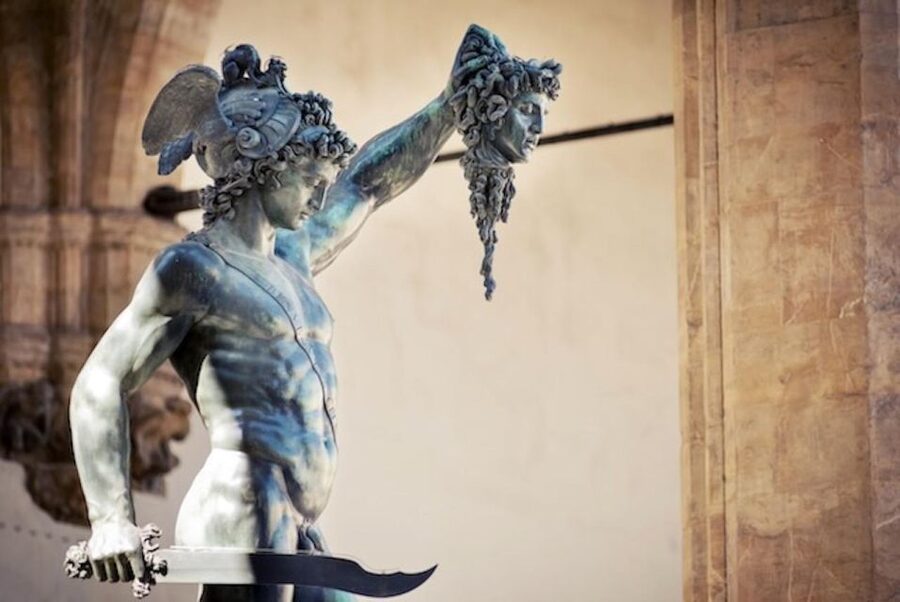
If you only have a short time in Florence, you need more than a checklist. You need a way to read the city, because Florence is basically an open-air textbook where the margins are painted, carved, and argued over.
This tour works because it keeps you moving through the places that shape your understanding. You start at Piazza della Repubblica and follow the thread from the Roman founding to the medieval city’s climb to wealth and power, then into the Renaissance flowering that made Florence famous. Along the way, the guide ties architecture to politics, art to religion, and everyday life to the people running the show.
You also get help staying focused. Headsets are included, which matters in Florence when the streets get busy and sound carries in odd ways. And since this is an English-only tour with a live guide, you are not stuck reading captions while everyone else listens.
The other thing I like is the tone. The stories are not just dates and facts. They include the darker side of power, betrayal, and the human drama behind major shifts. That approach makes the sights feel personal instead of distant.
More walking tours in Florence:
- Florence: Guided Walking Tour
★ 4.5 · 3,334 reviews - Skip the line: Uffizi and Accademia Small Group Walking Tour
★ 4.5 · 3,135 reviews - Florence: Guided Walking Tour
★ 4.6 · 1,602 reviews
Getting Oriented at Piazza della Repubblica (Where Rome Meets Renaissance)
You begin at Piazza della Repubblica, and that is a smart choice. Starting near a central public space gives you an easy mental reference point before you start walking deeper into Florence’s layers.
From here, the tour frames Florence’s origins. You learn about the Roman founding of the city, then you shift into the medieval Florence that set up the later Renaissance boom. Why does that matter? Because many of the later palaces, churches, and famous art commissions look like pure genius, but they were built on wealth, competition, and power structures that were already in place.
One practical benefit of this opening is momentum. After a short first stretch, you are not just seeing buildings. You are recognizing how the city changed over time. That makes the rest of the walk click faster, especially when you start seeing hints of different architectural eras close together.
From Tower Homes to Renaissance Palaces: How the City Tells Its Own Timeline
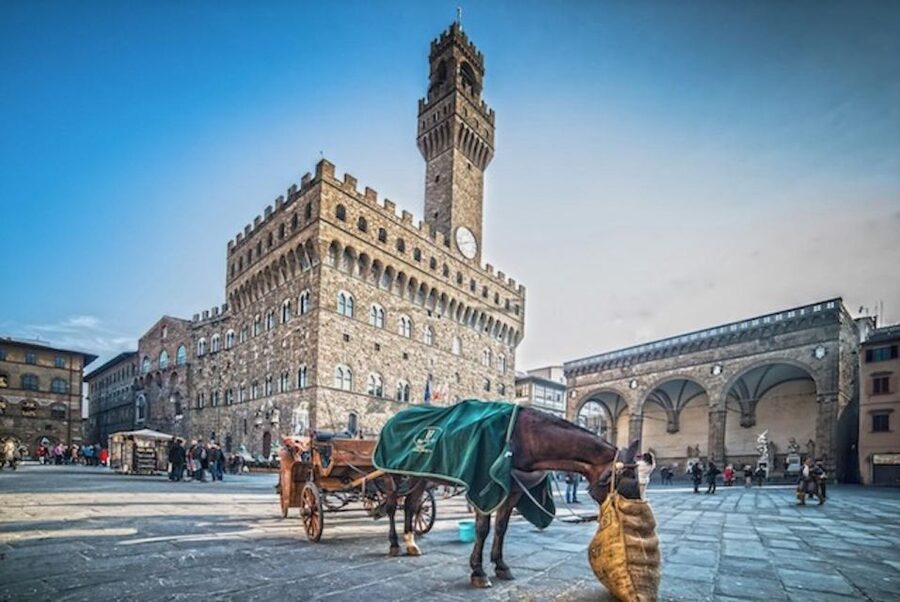
Florence is famous for its Renaissance art, but the city is not one style. The tour has you watching architecture across eras as you go, including tower homes and Renaissance palaces that show how the city evolved when wealth and influence shifted.
This is the part where an experienced guide really changes the experience. Instead of looking at a façade and thinking, That is pretty, you start to notice patterns: what kind of building it is, why it might have been built, and how it connects to the social world of the Medici era.
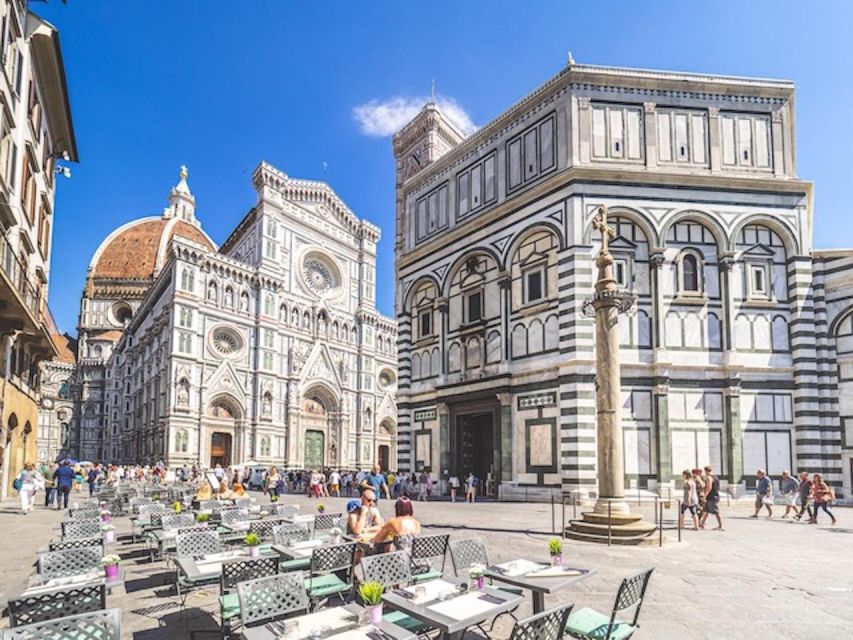
You will also hear about religion as a force in daily life. The walk includes stops tied to the religious center, where the Duomo, Baptistery, and Campanile are part of your visual route, seen from the outside. Even when you are not going inside every stop, the guide links what you see to how people lived and believed.
This is also where the tour starts balancing big ideas with memorable details. You will hear stories with sharp edges, including themes of murder and betrayal, which helps explain why power struggles were so intense in a city where reputation mattered as much as money.
Medici Power, Artists, and the Florence That Made David
The Medici family sits at the center of this tour’s storytelling, and that focus is valuable if you want to understand why so many masterpieces appeared when they did. The Medici were not just patrons. They were political actors who understood that art could legitimize power and shape public image.
The route points you toward major Medici-related locations, including Pitti Palace from the outside, the former Medici residence. Even from outside, palaces like this help you grasp the scale of influence at stake.
The tour also includes Orsanmichele and its famous sculptural heritage, with references to artists such as Donatello and Ghiberti. Seeing where major work connects to public life helps you understand that Renaissance art was not always a private luxury. In Florence, it was tied to civic identity.
You will also get an art-craft angle. The tour states that you will see the creation of David and the workshops used by artists. For me, that is one of those details that changes how you look at famous works. Instead of treating art as something that appeared fully formed, you start thinking in terms of hands, tools, materials, and training.
And yes, the tour walks past Dante’s home, which helps add another layer: Florence is not only about painters and patrons. It is also about writers, beliefs, and the broader cultural world that fed the Renaissance.
More history tours in Florence:
- Tipsy Tour: Guided Bar Crawl In Florence with Dark History
★ 5.0 · 271 reviews - Florence Cooking Course with Historic Local Market Visit
★ 4.5 · 151 reviews - Florence: Medici Family History Tour
★ 4.3 · 93 reviews - Florence: Fashion History Guided Walking Tour & Museum Visit
★ 4.2 · 72 reviews
Bridges, Designer Streets, and Oltrarno Cobbles
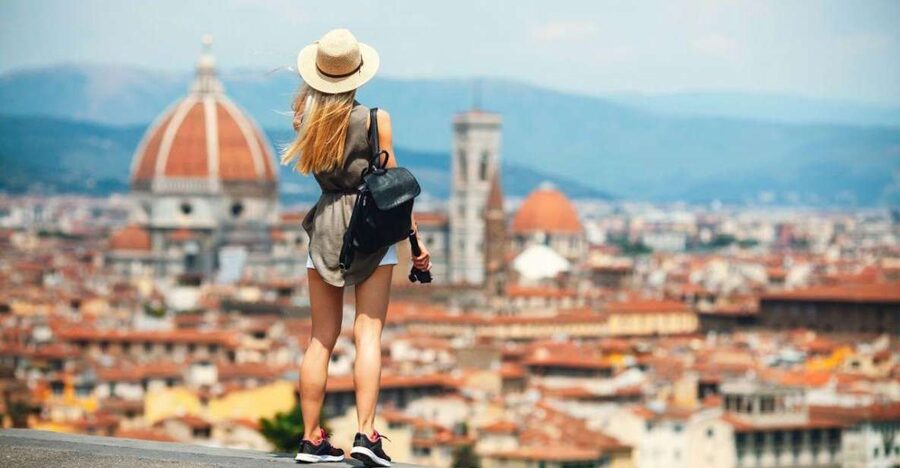
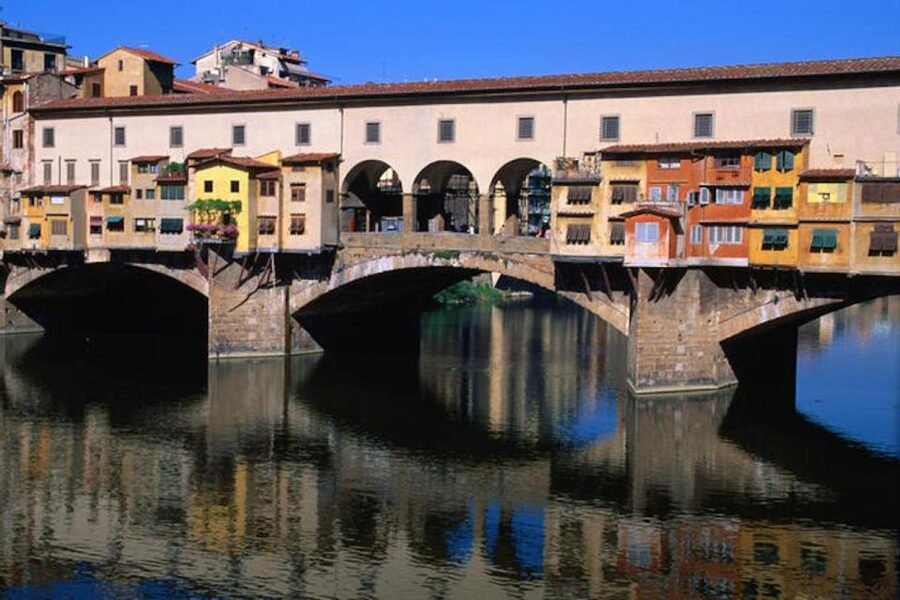
After the history-heavy sections, you get movement that is also visually rewarding. The walk includes the Santa Trinita and Ponte Vecchio bridges, which are both key viewpoints and social crossroads. Bridges in old cities are never just architecture. They are where people funnel, trade, and show off.
You will also walk along Via Tornabuoni, Florence’s well-known designer retail strip. Even if you do not plan to shop, I love this stretch because it shows how modern Florence layers onto the same city identity that once fueled Renaissance wealth.
Then there is Via Maggio, known for antique shopping, which gives you a different feel. It keeps the walk from becoming only museum-time. You are still in real streets, with the noise and motion that make the city feel alive.
The route continues into Oltrarno, where the vibe shifts to cobblestone streets and artisan workshops. This area is a reminder that Florence is not only famous for landmark buildings. It also runs on craft and daily routines that keep the city’s cultural rhythm going.
As you move, the guide helps you connect squares, churches, and Medici mansions to the bigger story. That is what turns a stroll into a real understanding of where influence sat and why.
Santa Trinita Inside Visit: Why the Frescoes Matter
A walking route can easily stay outside forever, and that usually makes it feel like you are just touring the city’s skin. Here, you get one meaningful interior moment: Santa Trinita church, with an inside visit to admire frescoes by Ghirlandaio.
This is an important stop because frescoes are not just decoration. They are part of how religious art taught, persuaded, and shaped emotion in a pre-modern world. Once you see one major example up close, the rest of the walk starts to feel more grounded. You understand that these churches were built to carry messages, not just to impress.
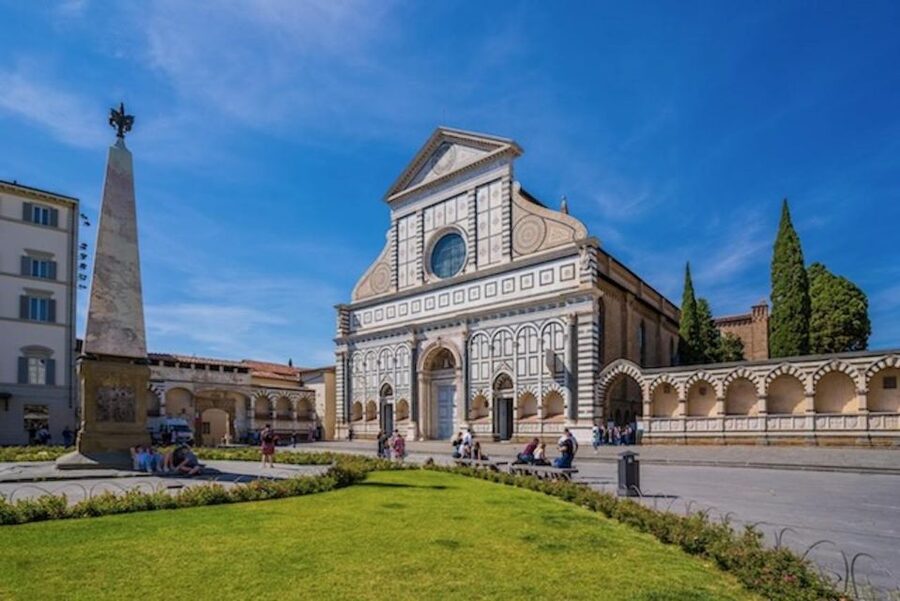
The rest of the church-related sights are listed as outside views as well, including Santa Maria Novella from outside, plus Santa Felicita. Even without an interior visit at every stop, the guide’s focus on religion making its way into everyday life helps tie it all together.
If you like art that tells a story, do not rush the interior. Take your time. You will get more out of the frescoes when you slow down for a moment and let the details register.
Gelato Break, Headsets, and Pacing That Keeps You Engaged
Three hours goes by faster than people expect, especially when you are stopping often for context. That is why the tour’s pacing is a big part of the value.
You get gelato tasting included, which is not just a sugary break. It gives you a reset between heavier history moments. Also, it is a classic Florence move, and it keeps the walk from feeling like only a lecture on the go.
Headsets are also a real quality-of-life feature. In crowded parts of Florence, guides can end up speaking over background noise. With headsets, you can actually hear the story, which matters for a tour where the details are the point.
And according to past participants, the best guides keep you engaged from start to finish. That matches what I would want if I am paying for a history-focused walking tour: I want the guide to make the city feel like it has a pulse, not like I am being rushed through a slideshow.
Price and Value at $41 per Person
At $41 per person for a 3-hour walking tour, this is the kind of price that feels fair when you compare it to what you get.
You are paying for four concrete things:
- An expert local guide who turns landmarks into stories
- Headsets so you are not missing the key points
- A gelato tasting
- A route that focuses on major Florence themes: Roman roots, medieval growth, Renaissance power, and Medici influence
The big value is how the guide connects architecture and culture. Florence is full of sights you could technically see on your own, but the “why” is what makes the day stick. With Medici-centered context, religion in public life, and artist-linked stops, you come away with mental bookmarks you can use the rest of your trip.
If you are the type who likes learning while walking, this price is hard to argue with. If you already know Florence’s art history inside and out, you might still enjoy it, but you may not need a guided route to get value.
Who This Tour Suits Best (And Who Should Skip It)
This tour is a strong fit if you want a first solid introduction to Florence’s layers. It is especially good for people who like:
- History that explains power and art as part of the same story
- Architecture viewing, not just photo stops
- Listening to a guide that answers questions and keeps momentum
It is also a good choice if you want an English-only experience with a live guide, instead of self-guided audio.
On the flip side, it is not suitable for:
- Children under 8
- People with back problems
- People with mobility impairments
- Wheelchair users
- People with recent surgeries
So if you have health or mobility concerns, you will likely want a different plan that is more flexible and less step-heavy.
Also, comfortable shoes matter. The tour is walking on streets and in historic areas where stone surfaces can be rough. Avoid sandals or flip flops. If you wear anything that slips or rubs, you will feel it by the second half of the walk.
Should You Book This Essential Florence Walking Tour?
Book it if you want a guided, story-driven Florence that helps you understand what you are looking at, not just where to stand for a photo. The combination of Medici history, dramatic human storytelling themes, and a route that hits major Florence landmarks in a tight timeframe is exactly what you want on a first visit.
I would skip it if you need a low-impact option. The walk is not described as gentle, and it is not meant for mobility constraints. If you are unsure, trust your body. Florence will still be there when you are ready.
If you can handle steady walking and stairs, this is a smart, high-value way to get your bearings and start seeing Florence with context. And once that clicks, the rest of your days in town get easier and more interesting.
FAQ
How long is the Essential Florence Walking Tour?
The tour lasts 3 hours.
Where does the tour begin?
It begins in Piazza della Repubblica.
Is the tour offered in English?
Yes, it is an English live tour with English audio support included.
What is included in the price?
You get an expert local guide, a gelato tasting, and headsets to hear the guide.
Does the tour include a church interior?
Yes, Santa Trinita church is included for an inside visit to admire frescoes by Ghirlandaio.
What major sights will I see outside?
You will see Orsanmichele, Dante’s house, the religious center area with the Duomo, Baptistery, and Campanile (from outside), Santa Maria Novella (from outside), Ruccellai Palace and Strozzi Palace, Pitti Palace (from outside), Santa Felicita church, and the Vasari corridor (from outside).
Are there any restrictions on what I can wear?
Sandals and flip flops are not allowed. Wear comfortable shoes and comfortable clothes.
Is this tour suitable for kids?
It is not suitable for children under 8.
Is it wheelchair accessible or suitable for mobility issues?
No. It is not accepted for people with mobility impairments or wheelchair users, and it is also not suitable for people with back problems or recent surgeries.
What is the price and cancellation policy?
The price is $41 per person. Free cancellation is available up to 24 hours in advance for a full refund.
Just reviewed around Florence
- Tuscany: Leonardo da Vinci – Oil and Wine Discovery Tour★ 4.8 · 5 reviews
- Livorno Port, Pisa, Florence: Full-Day Shore Excursion★ 4.8 · 51 reviews
- Legends of Florence: Exclusive Walking Tour by night★ 4.9 · 70 reviews
- Leather and Passion: A Tour of Florentine Craftsmanship★ 5.0 · 16 reviews
- Illuminated Florence Tour for Kids with Gelato & Pizza★ 5.0 · 6 reviews
- Inferno Florence Private 3-Hour Tour★ 4.8 · 20 reviews
- Hidden Florence: 2-Hour Guided Walking Tour★ 4.7 · 36 reviews
- 3-Hour Historic WhoDunIt Tour in Florence★ 3.2 · 6 reviews
Walking Tours, compared.
Skip the line: Uffizi and Accademia Small Group Walking Tour
Read our review →
Renaissance and Medici Tales Guided Walking Tour
Read our review →
Skip-the-Line Florence Highlights and David Walking Tour
Read our review →
Browse the lists this tour appears in