
Reviewed · PASTA MAKING CLASSES
Lucca: Fresh Pasta-Making Class at a Local’s Home
If you like food that starts with hands-on work, this Lucca fresh pasta class at a local home is a strong choice. You get to work side-by-side with a certified home cook and then eat what you make, turning your kitchen skills into dinner. I especially love the small-group feel and the way the class is built around real, regional recipes. One possible drawback is that the setting is a private home, so it is not the sleek, studio-style comfort you might expect from a big cooking school.
What makes the experience truly appealing is that it is not just watching. You are rolling, shaping, and learning the why behind the techniques, all while using the ingredients and tools set up for you. You will also get to enjoy your meal with a complimentary glass of wine, which makes the whole 3 hours feel like a proper Tuscan afternoon or early evening. Just note that the exact menu and flow can vary by day, so you should come with a curious mindset rather than a strict expectation of specific pasta shapes.
Key things that make this class worth your time
- Small group capped at 8 means you get real attention, not just crowd energy.
- Three local pasta dishes keeps you from leaving hungry or stuck with one bite you did not feel confident making.
- Certified Italian-English instructor helps if your Italian is limited but your curiosity is not.
- Workstation set with ingredients and utensils lowers the friction, so you focus on technique.
- Wine with your meal turns the class into a sit-down dinner, not a demo and goodbye.
- At-home setting gives you that lived-in Italian kitchen vibe you rarely get in restaurants.
Why Lucca Home Kitchens Make Better Pasta Lessons Than Studios
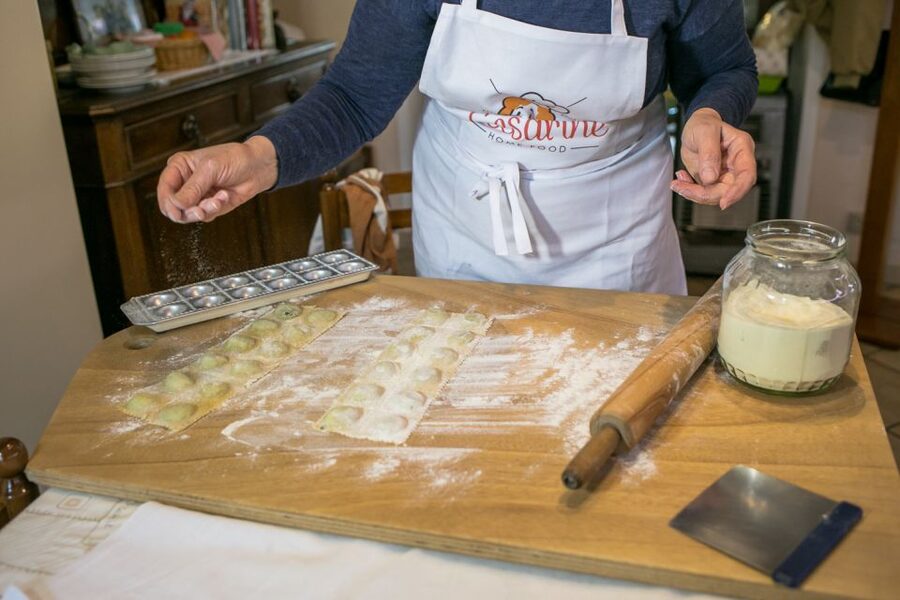
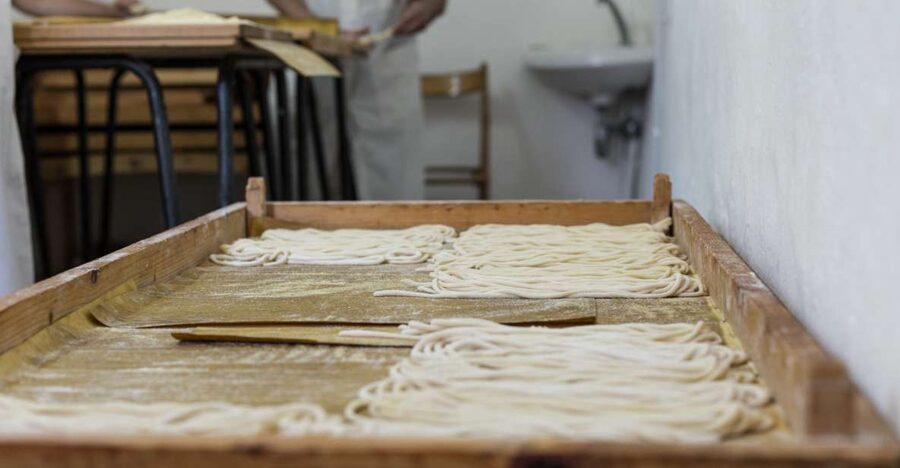
A pasta class is fun anywhere. But learning in a real home changes the tone fast. You are not in a production line. You are in a working kitchen where people cook for a family, not for a schedule. That difference matters because pasta is all about feel, timing, and small adjustments.
I like that this class is designed around practical technique instead of just storytelling. You bring your hands and your attention, and you leave with a better sense of dough texture, rolling pressure, and how to coordinate steps so everything finishes together. In one class hosted by Silvia, for example, the focus was on teaching multiple dishes and keeping the work friendly and clear. In another, Genevra stood out for being both knowledgeable and personable, which is exactly the right energy for learning something hands-on like fresh pasta.
The home setting also makes it easier to ask questions. If you mess up a step, you can usually reset without feeling like you are slowing down a big class. The only thing to consider is that home kitchens are not always built for heavy foot traffic, so you should expect a more personal, slightly cozy space.
More pasta classes in Lucca:
- Cesarine: Small group Pasta and Tiramisu with Mamma in Lucca
★ 4.5 · 181 reviews - Lucca: Pasta and Tiramisu Class at a Local’s Home
★ 4.9 · 56 reviews - Lucca: Pasta Cooking Class with a Local Chef
★ 5.0 · 56 reviews
What You’ll Make: Three Dishes and the Skills Behind Them
The headline is simple: you will make three local pasta dishes during your 3-hour session. That matters because fresh pasta technique rarely lives in isolation. Even if you are only making one dough, the rest of the experience is learning how dough works with sauces, fillings, and the final cooking stage.
You should also know that the format can include more than just pasta shapes. One class experience highlighted the idea of making two pasta dishes plus an appetizer, and that matches the kind of three-dish structure you can reasonably expect. The menu is local and recipe-based, so you are eating food that feels Italian and not like a generic cooking-tour mix.
You will likely spend your time on the core arc of fresh pasta:
- Mix and manage the dough so it stays pliable.
- Work the dough with rolling and shaping.
- Prepare the other components of your dishes so everything tastes balanced.
- Finish by cooking what you made and plating it for your meal.
The value here is that you are not just collecting photos. You are building a mini system you can repeat later at home.
Inside the 3-Hour Flow: From Dough Prep to Dinner
Even though the class is short, it is designed to feel complete. Expect a steady rhythm: introduction, hands-on prep, cooking, and then eating together with a complimentary glass of wine.
Here is how the timing usually feels in a class like this, and what to pay attention to as you go:
1) Getting set up in the host’s kitchen
You meet at the host’s home, and you will get the exact address after booking. You should treat that as normal for this kind of experience. Once you arrive, your workstation is already kitted out with ingredients and utensils, so you do not waste time hunting for tools. That setup is not a small detail. It’s how you stay focused on technique instead of logistics.
More Lucca tours:
- Lucca: 2-Hour City Center Walking Tour
★ 4.7 · 1,314 reviews - Lucca: Puccini Festival Opera Recitals and Concerts
★ 4.7 · 1,278 reviews - Lucca: Guided Winery Tour with Wine Tasting
★ 4.7 · 611 reviews - Discover Lucca’s Secrets on a Guided Walking Tour
★ 4.5 · 485 reviews
2) Learning the dough basics for fresh pasta
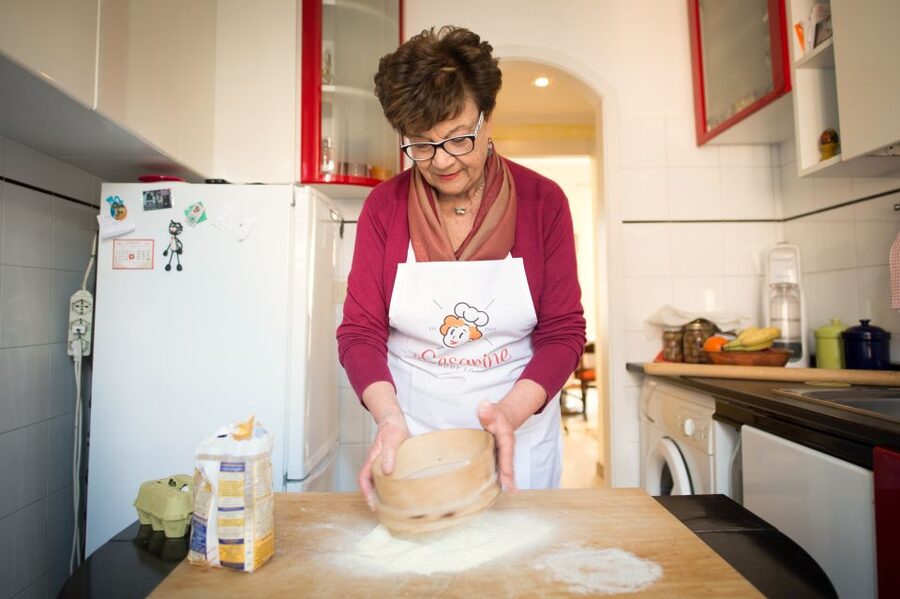
Fresh pasta dough is the heart of the lesson. The goal is to help you understand texture, not just follow steps. A good instructor keeps you from overworking the dough and helps you notice when it is ready to shape.
This is where having an instructor who speaks Italian and English really helps. If you are more comfortable in English, you can still get precise guidance. If you pick up a few Italian words along the way, even better.
3) Turning dough into dishes
Next comes shaping and portioning, plus the supporting components of each dish. You might be doing more than one pasta preparation during the class, which is exactly why the three-dish structure works. It teaches you how one dough can serve different outcomes.
4) Cooking and finishing
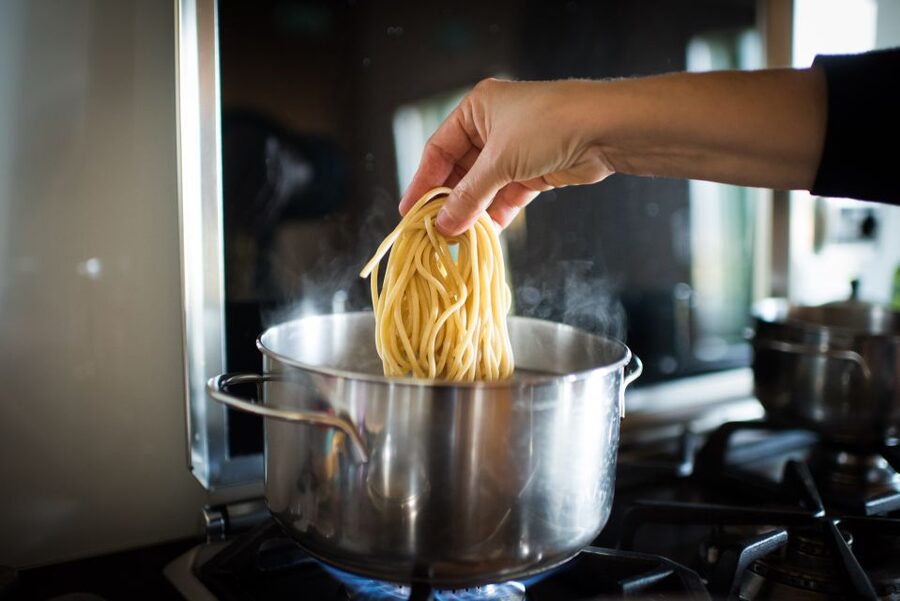
Fresh pasta cooking can be quick, so pay attention to the instructor’s timing cues. If you get distracted, the pasta will cook faster than you think. The class structure helps you stay aligned, and you get to see how the cooked results should look and taste.
5) Eating what you made with wine
You end by tucking into everything you prepared, with a complimentary glass of wine included. This part is not just a reward. It is part of the learning loop. When you taste the final dishes, you understand why the teacher nudged you in certain directions earlier.
The Instructor Factor: Learning From Silvia and Genevra Style Teaching
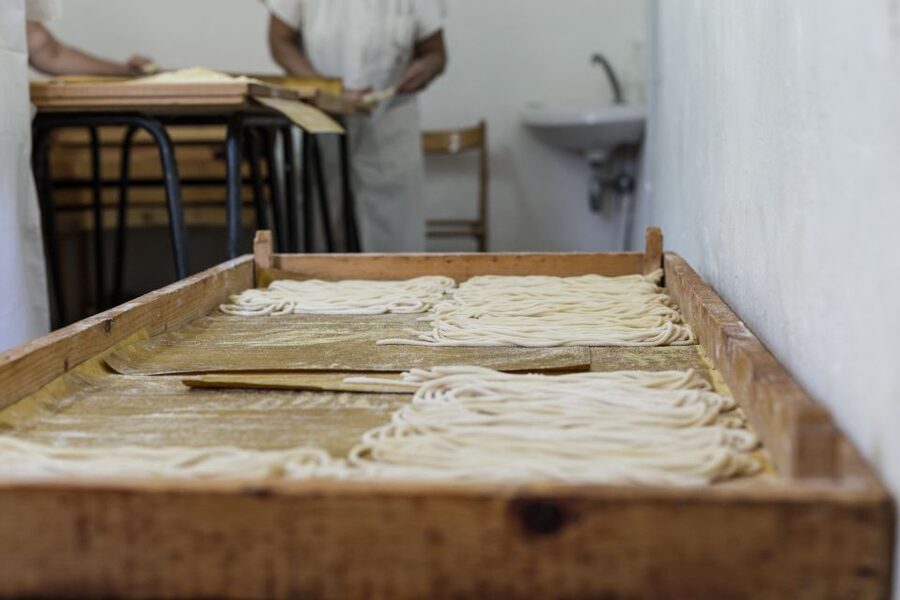
In a small class, the host’s teaching approach matters as much as the recipe. The good news is that the experience is built around instructors who can guide you with clarity and warmth.
Silvia is known for being a kind host and teaching multiple preparations in a way that keeps the whole class moving. Genevra is praised for being personable and knowledgeable, which is perfect for hands-on cooking, where you need confidence, not pressure.
What you should take from those examples, even if you meet a different host on your date, is that tone is part of the product. You want someone who can correct technique quickly and kindly, then let you practice enough that it starts to click.
So when you book, think of it like this: you are paying not only for ingredients and instructions, but for the coaching that helps you leave capable, not just entertained.
What Makes It Truly Italian: Regional Recipes in Real Kitchen Practice
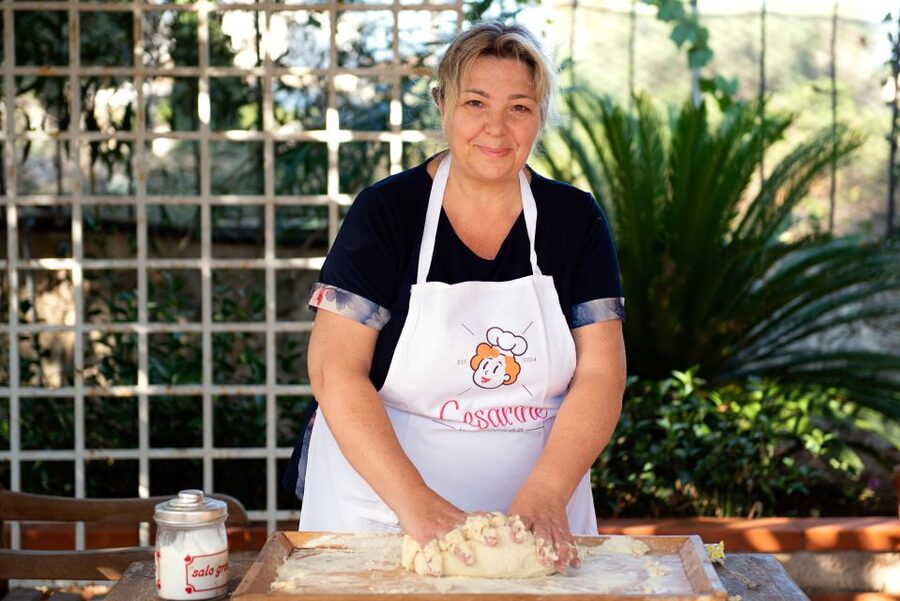
Italy has many pasta styles, but what you want from a class is regional logic. This class focuses on local Italian cookery and regional cuisine, taught in the surroundings of a local home. That is a difference from a generic pasta lesson that might teach you the same method everywhere.
There are a few reasons this approach helps you as a traveler:
- You taste what the region actually eats, not only what is popular for tourists.
- You learn techniques that fit the type of pasta and sauces used locally.
- You get a sense of Italian cooking rhythm: small steps, continuous tasting, and practical adjustments.
One thing I appreciate is that the class is recipe-based and taught as part of a family-style approach. Even if you do not leave with a stack of printed pages, you walk away with a mental model you can apply when you cook at home.
And because you will eat the food you make, you learn what matters most: flavor balance and texture, not perfection.
Price and Value: What $202.78 Really Buys You
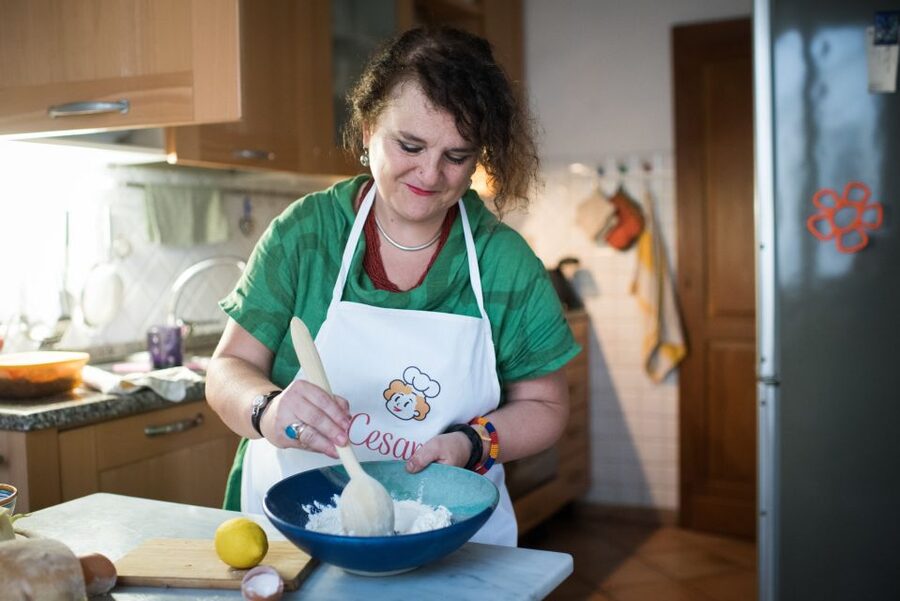
At $202.78 per person for about 3 hours, this is not a bargain-basement activity. But it is also not overpriced in the way some food classes are. You are paying for a small-group instructor experience in an Italian home, with three dishes, plus drinks.
Here is how I look at value for this type of class:
You get a full meal, not a snack
The class includes 3 local pasta dishes. You are not just tasting a single sample. You are eating the results of your work, which makes the cost feel more like a culinary dinner that teaches you skills.
You get coaching time
Small group, limited to 8 participants. That usually translates into more guidance per person. You are more likely to actually learn how to do the work, rather than only watch.
You get a “take-home” skill
The description emphasizes that you can take Italian cooking skills to use in your own kitchen. That matters because you are buying a lasting ability, not only a one-time meal.
Drinks are included
A complimentary glass of wine is built into the experience, which also changes the feel. It becomes an evening meal experience, not just a workshop.
If you enjoy cooking, this can be one of the best value purchases you make in Tuscany, because it gives you a memory that you can recreate at home. If you hate mess, hate kitchens, or are mainly after sightseeing, you might prefer a food tour instead. Pasta classes reward the hands-on type of traveler.
When to Go: Morning or Afternoon, and How to Choose
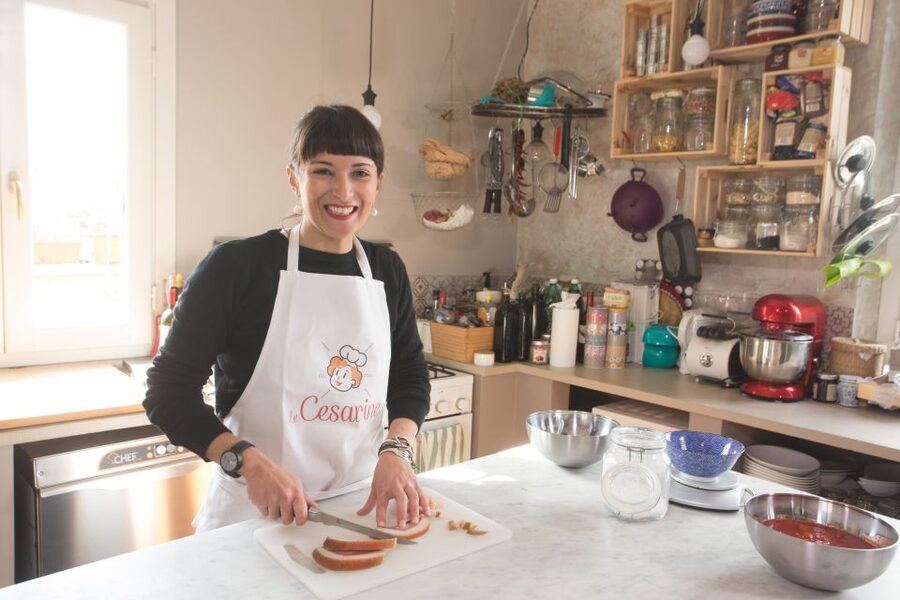
The class usually begins at 10:00 am or 5:00 pm, but timings are flexible depending on travel requirements. That flexibility is helpful because Lucca days can get busy with walking, museums, or day trips.
Here is how you can decide:
- Morning option: Great if you want an early activity and then still have energy for exploring later.
- Late afternoon option: Nice if you want something active to break up the day, then end with your meal and a glass of wine.
Either way, plan for a class that takes your attention. Wear comfortable clothes, and assume your hands will be involved.
Who This Lucca Pasta-Making Class Is Best For
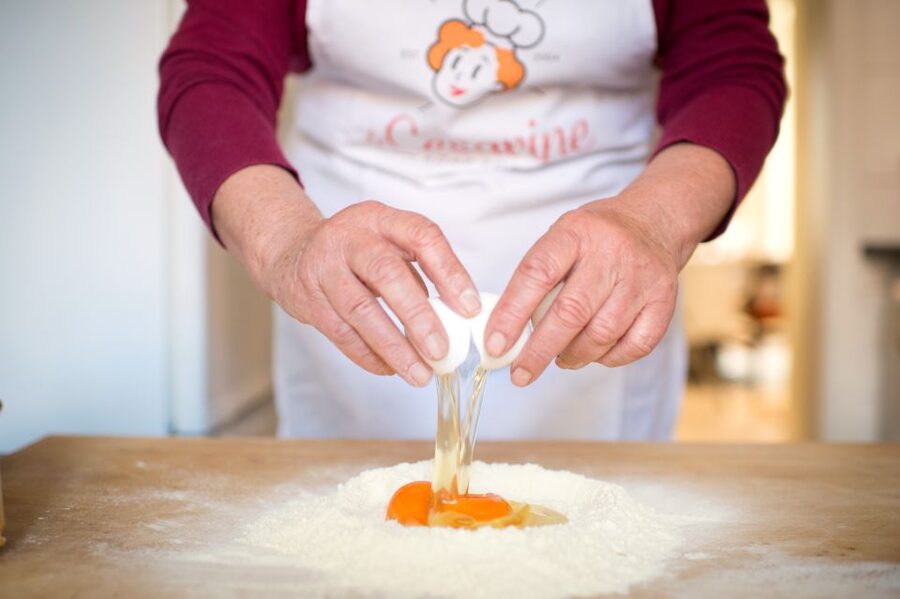
This is an ideal choice if you:
- Want a hands-on food experience in Tuscany rather than another tasting-only activity.
- Enjoy learning by doing, rolling and shaping instead of just watching.
- Prefer a small group where you can ask questions and get individual guidance.
- Want an authentic Italian family-kitchen vibe.
It is also a good fit if you are traveling solo or as a couple. The group size stays limited, so you are not stuck in a large crowd.
Less ideal if you:
- Have dietary restrictions and did not plan to communicate them at booking time.
- Want a very formal restaurant-style experience with lots of waiting room comfort.
- Are short on time and need a faster stop.
Should You Book This Lucca Fresh Pasta Class?
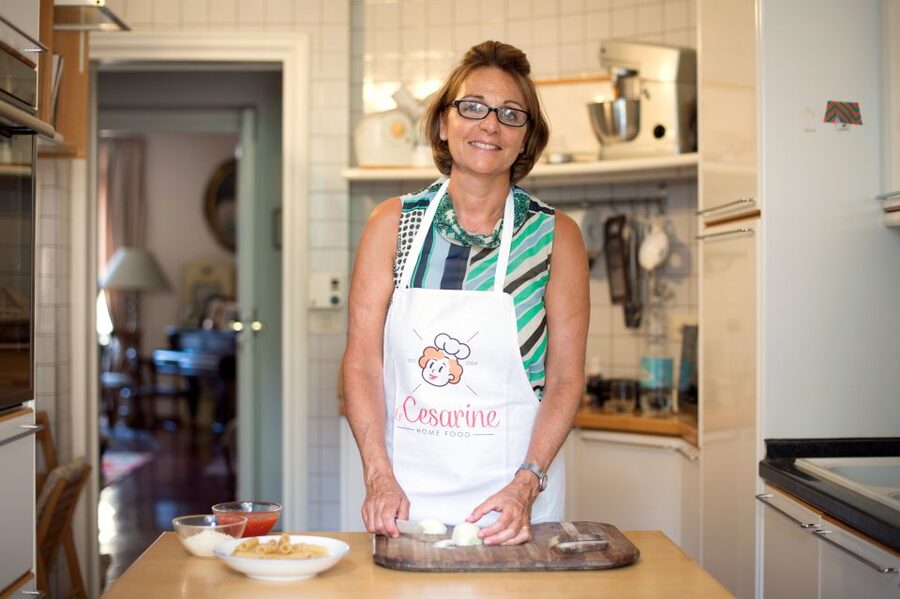
Book it if you want a real skill, a real meal, and a real connection to Italian cooking in a home setting. The small group size, the certified home cook, and the fact that you eat three dishes you helped make are the big reasons this works. It is a fun use of a half day, and it gives you something you can repeat later at home, which is rare.
Skip it if you are only looking for a quick photo-friendly activity, or if you know you will not enjoy hands-on cooking. Also, if your dietary needs are important, make sure you flag them at booking so the host can plan properly.
In short: if you like food you can touch and taste, this is a very solid pick in Lucca.
FAQ
How long is the fresh pasta-making class?
The class lasts 3 hours.
What is included in the price?
You get the cooking class, three local pasta dishes, and drinks.
Where do I meet for the class?
You meet at the host’s home. The exact address is shared after booking.
What group size is this class?
It is a small group with a maximum of 8 participants.
What language does the instructor speak?
The instructor speaks Italian and English.
Is there free cancellation?
Yes, you can cancel up to 24 hours in advance for a full refund.
Can I request dietary requirements?
Yes. You should advise of any dietary requirements at the time of booking.
More Hands-On Workshops in Lucca
- Lucca: Private Home-made Pasta Cooking Class
★ 5.0 · 18 reviews - Lucca: Cooking Class at a Local’s Home
★ 4.3 · 12 reviews - Lucca: Traditional-Traditional Cooking Class cuisine course
★ 5.0 · 10 reviews - Lucca: Market and Cooking Class at a Local’s Home
★ 4.8 · 5 reviews
Just reviewed around Lucca
- Private Pisa and Lucca Tour from Florence with Transportation★ 5.0 · 6 reviews
- Lucca: Rafting Adventure★ 4.7 · 6 reviews
- Pisa: Self-Guided Bike Tour to Lucca★ 4.9 · 28 reviews
- Pisa and Lucca: Private Full-Day Tour by Deluxe Van★ 4.8 · 8 reviews
- From Florence: Pisa and Lucca Full-Day Private Tour★ 5.0 · 3 reviews
- Lucca Tour & Pisa Tower + Wine Tasting by van from Livorno★ 5.0 · 6 reviews
- Lucca: Traditional-Traditional Cooking Class cuisine course★ 5.0 · 10 reviews
- Lucca Sightseeing Tour by E-bike or City bike★ 4.9 · 27 reviews
Pasta Making Classes, compared.
Florence Pizza or Pasta Class with Gelato Making at a Tuscan Farm
Read our review →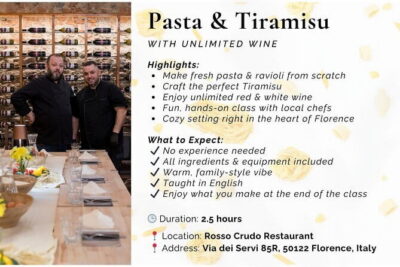
Pasta & Tiramisu Cooking Class with Unlimited Wine
Read our review →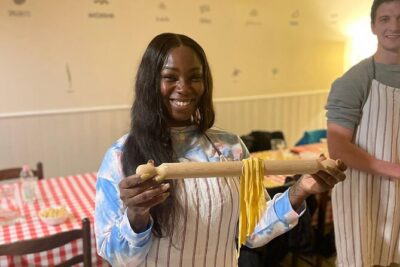
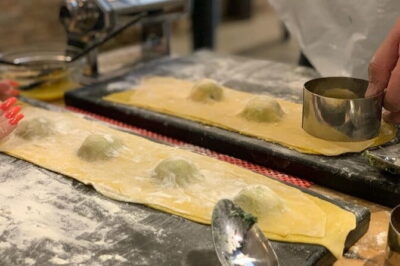
Cooking Class Pasta & Tiramisu Making Unlimited Wine
Read our review →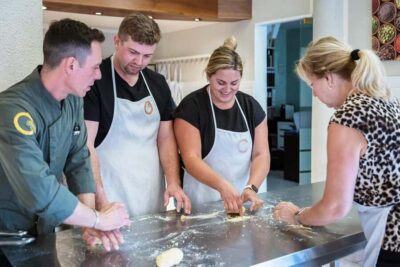
Handmade Pasta & Dessert Class with Unlimited Wine
Read our review →
Browse the lists this tour appears in