Reviewed · PRIVATE TOURS
The convent of San Marco in Florence: Private Tour
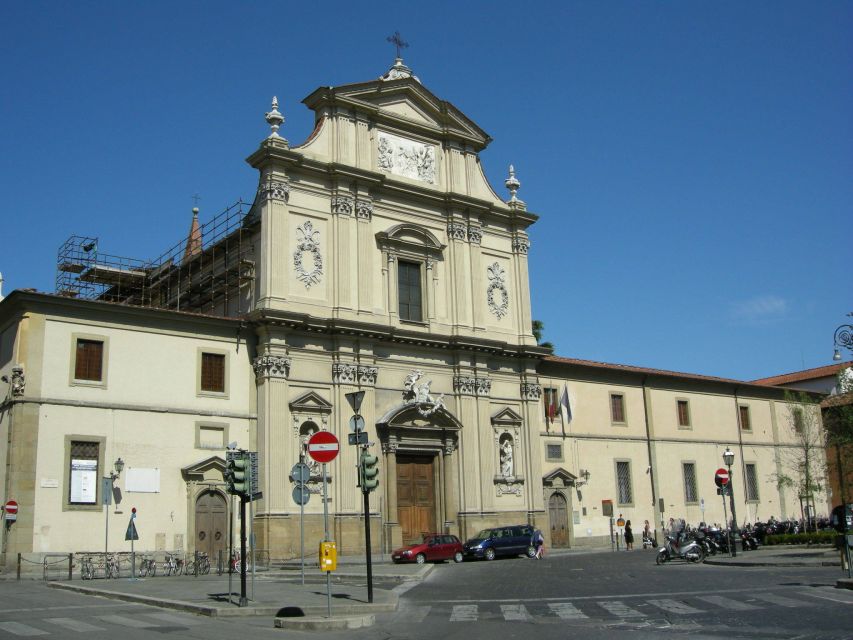
San Marco in Florence is interesting because it is not just another church stop. This one sits inside a former monastery complex where 15th-century religious life and art shaped the neighborhood around Piazza San Marco. You get to walk through the San Marco church and the cloisters, and you’ll also see the fresco-filled spaces in the wider complex.
What I like most is the chance to get a clear story, not random facts. Two standouts for me: you learn how the Medici project took form under architect Michelozzo, and you see how the place connects to major figures like Savonarola and Fra Angelico. A possible drawback: language quality matters on any private tour, and if your guide’s spoken language is not strong, the experience can feel less satisfying even when the site itself is outstanding.
In a tight 2-hour window, you need to be ready to absorb a lot. The tour covers several linked areas, so you will want comfortable shoes and a bit of attention, especially if you are not a regular museum visitor.
Key reasons this San Marco private tour is worth your time
- Medici and Michelozzo context: you will learn how this complex became a reference point in Florence
- Five connected areas: church, facade, convent, first cloister, and second cloister
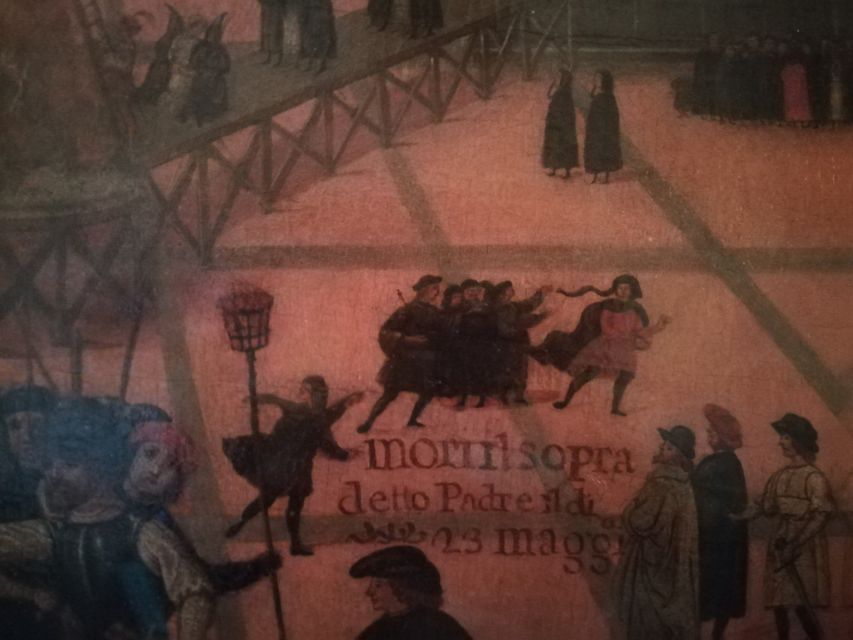
- Savonarola’s dramatic footprint: the story includes his death announcement tied to the bell La Piagnona
- Fresco-focused visit: you’ll see why San Marco is famous for fifteenth-century painting
- Private, guided pacing: easier to follow the meaning of each room without feeling rushed or lost
- Multilingual guide: Spanish, English, French, German, and Italian available, so you can match your language
Your 2-hour plan around San Giovanni, with stops that build on each other
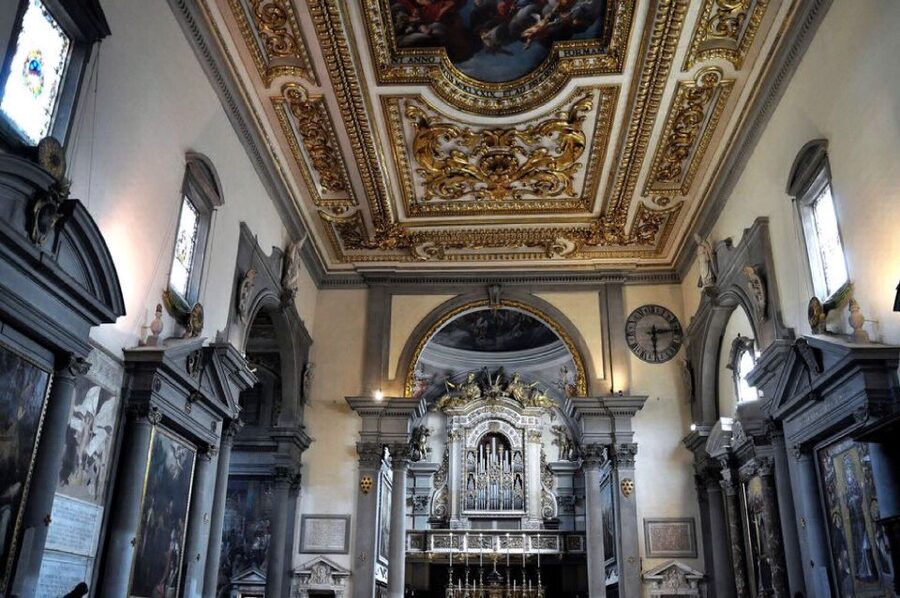
This is a focused, 2-hour private tour designed to make San Marco click. It starts at Il Museo di San Marco, then moves to Piazza San Marco, and from there it works through the core of the complex, including St. Mark’s Basilica and the museum spaces again as part of the flow.
Why this sequence helps: you are not just looking at walls. You start with the site in front of you, then you step into the church, then you move into the convent and cloisters where the atmosphere changes from public to inner life. By the time you reach the museum portion, the frescoes and spaces make more sense.
Because it is private, the pace is more flexible than a big group. You can ask questions as you go, which matters here, since the complex connects politics, spirituality, and art in the same physical spaces.
More Florence experiences worth a look
- Cinque Terre and Pisa Tower Tour from Florence Semi Private
★ 5.0 · 1,406 reviews - From Florence: Private Chianti Hills Tour with Tasting
★ 4.3 · 809 reviews - Private Self-Guided E-Bike Ride in Tuscany with Vineyard Visit
★ 5.0 · 775 reviews
Piazza San Marco: the quick orientation that pays off once you are inside
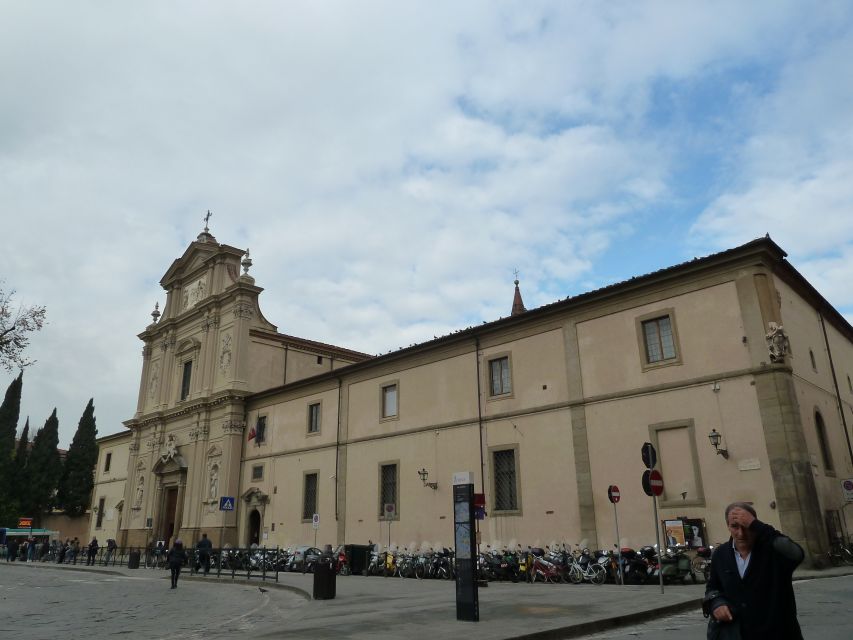
The tour includes a brief stop in Piazza San Marco for guided orientation, about 15 minutes. This is the moment to get your bearings and understand how the monastery complex relates to the surrounding historic district.
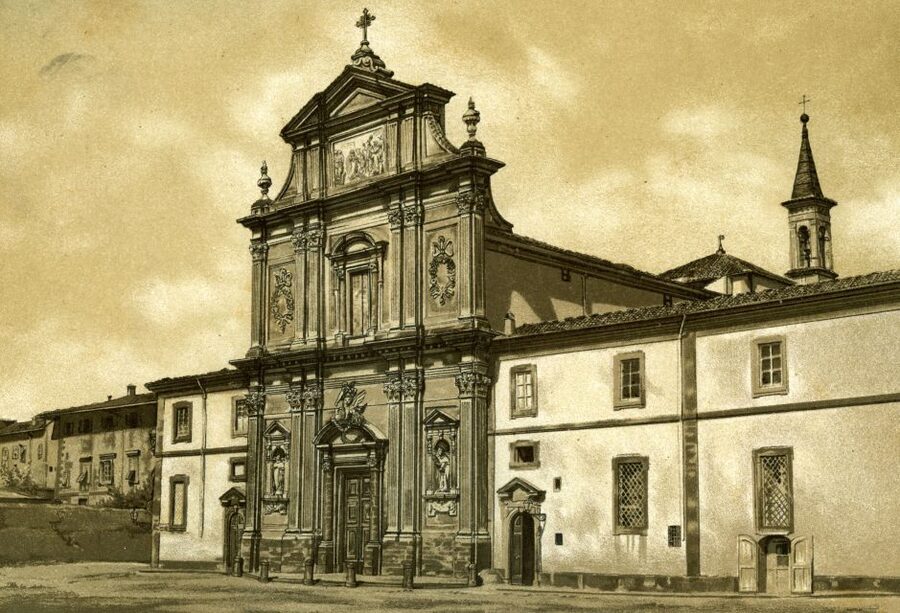
Here is what you should look for during this short segment. Pay attention to the church and facade angles, and listen for the guide’s explanation of why San Marco became such a reference point in this part of Florence. If you skip this part mentally, you may still enjoy the interiors, but you will miss some of the logic behind the design.
Practical tip: the tour is short, so be ready with a few quick questions. If you care about how power and faith intersected in 15th-century Florence, this is the time to ask.
St. Mark’s Basilica: where Cosimo and Michelozzo set the tone
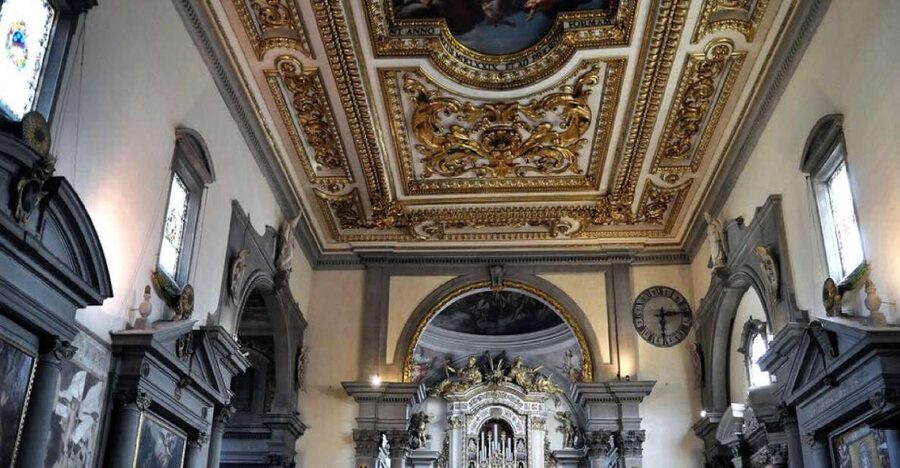
Next comes St. Mark’s Basilica (San Marco Church), roughly an hour. This is the heart of the experience, both visually and historically.
San Marco is described as a church with many frescoes, and the basilica gives you the first big view of how the complex functions as a place for worship and learning. The architecture is tied to a major patronage effort, commissioned by Cosimo il Vecchio De Medici for architect Michelozzo. That matters because it means this is not a random religious building. It is a Medici-designed statement, built into the rhythm of daily monastic life.
What I appreciate about a guided stop here is how the guide helps you connect the physical space to the people who lived within it. The complex was home for major figures of spirituality and fifteenth-century culture, including Cosimo il Vecchio De Medici, St. Antonino, Fra Angelico, Fra Bartolomeo, and especially Fra Girolamo Savonarola.
If you only care about art style, you’ll still have a great time. But if you want meaning, the basilica is where the tour starts giving you the framework.
The convent and cloisters: the quieter spaces that carry the strongest stories
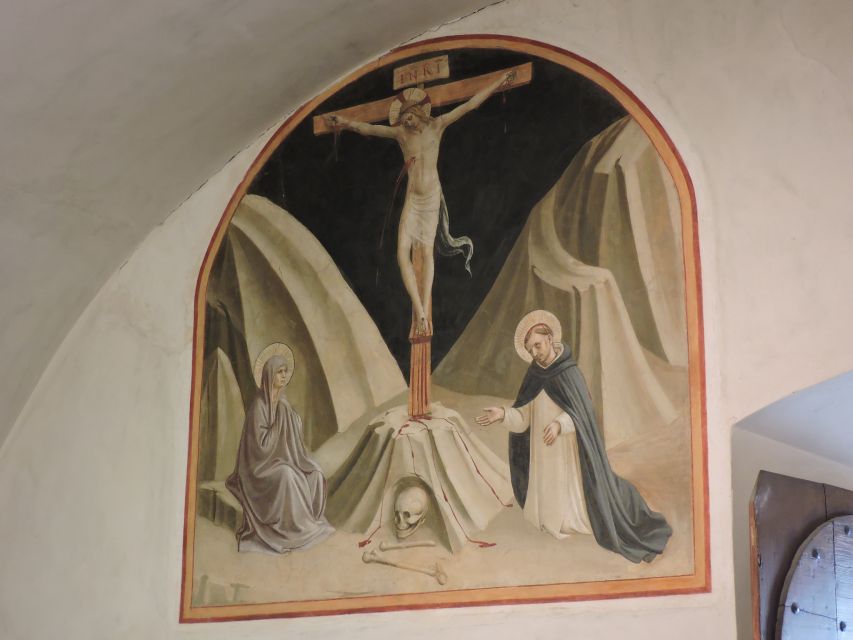
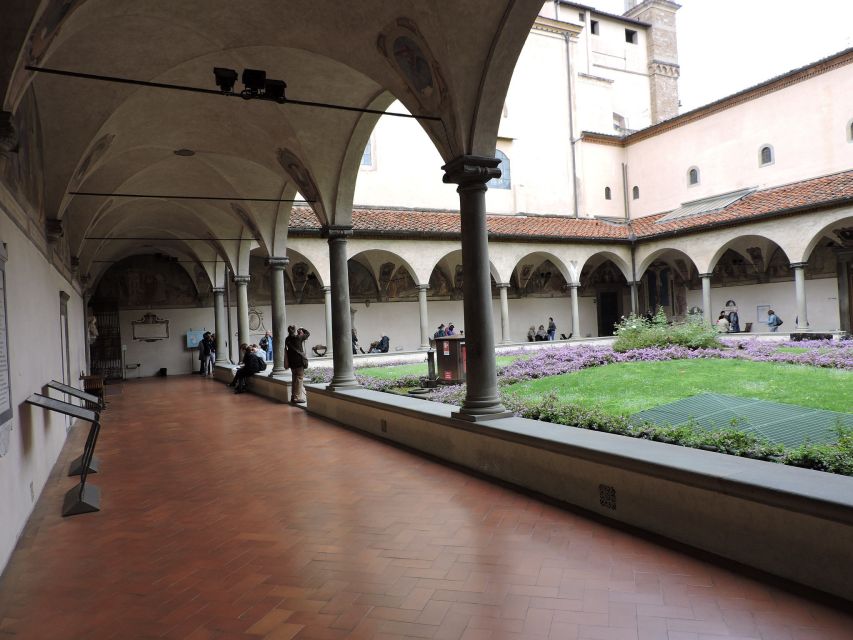
After the basilica, the tour moves into the convent and cloisters. These areas are often the part that surprises first-timers, because they feel like a world away from Florence street life.
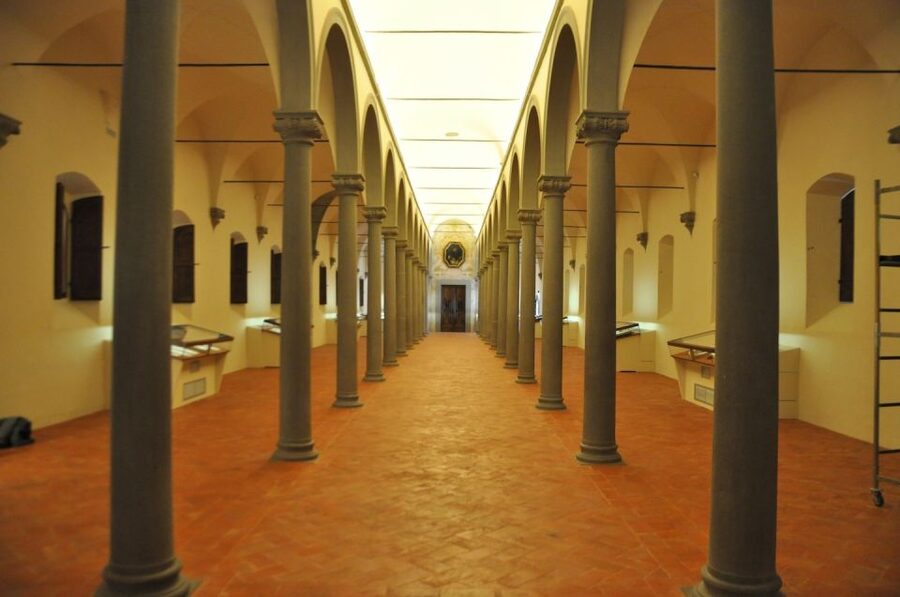
You should expect the tour to include two cloisters, called the first cloister and second cloister, plus time in the broader convent area. The payoff is atmosphere. Cloisters are designed for slow movement, reflection, and everyday monastic routines, so you can feel why this setting influenced art and thought.
The historical story becomes more intense when the tour brings in Savonarola. The complex is described as the burial place of Beato Angelico, Agnolo Poliziano, and Savonarola. And there is a specific dramatic detail that anchors the political side of the story: the announcement of Savonarola’s death was helped by the famous bell La Piagnona, known as the crying one. The bell’s nickname links to the followers of Savonarola, described as constantly complaining about the Florentines.
That is the kind of detail you want a guide for. You are not just walking from room to room, you are learning what made the place emotionally charged for people at the time.
Tip for your visit: slow down in the cloisters. Look up and let the space work on you for a minute before your next question. It makes the guide’s explanation land better.
A different way to spend the day in Florence:
- Florence: Skip-The-Line Uffizi Gallery Timed Entry Ticket
★ 4.5 · 27,832 reviews - Tuscany Day Trip from Florence: Siena, San Gimignano, Pisa and Lunch at a Winery
★ 5.0 · 21,634 reviews - Florence: Timed Entrance Ticket to Michelangelo’s David
★ 4.6 · 16,983 reviews - Florence: Michelangelo’s David Skip-the-Line Entry Ticket
★ 4.5 · 12,764 reviews
Museo di San Marco: frescoes in a setting that explains them
The tour also includes time in Museo di San Marco, about 45 minutes. Since San Marco is known for its frescoes, this museum portion is where you can focus on the artwork with less distraction.
What makes this museum stop valuable is that you do not encounter the frescoes as isolated masterpieces. You experience them as part of a monastery complex where important religious and cultural figures lived and worked. That connection is why the tour is built around linked areas, not just one building.
If you like art but hate museum chaos, this 45-minute pacing is a sweet spot. It is long enough to really see, and short enough that you can keep your attention.
Also, because the tour is private, your guide can explain what you are seeing in a way that matches your interests. If you want more architecture, you can ask. If you want more about the cultural figures, you can ask. The structure gives the guide room to adjust without leaving you behind.
Private guide value: what you gain with a real person on-site
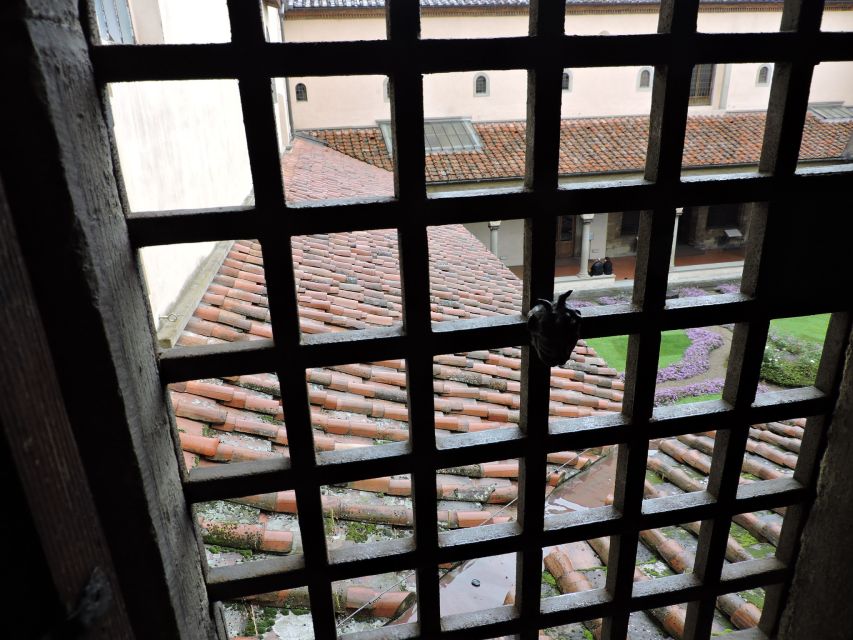
This is a private tour with a live guide. Entrance tickets are included, and the tour is set up so you can skip the ticket line, which is a real convenience in Florence.
The reviews in the information you provided point to the best part of a private guide here: preparation and context. One review praised a guide as very prepared and passionate, with explanations that went beyond the specific details of the convent and church. Another review emphasized professionalism and keeping attention high.
So what does that mean for you on the ground?
First, you get the why behind the what. San Marco can look like a beautiful complex, but without context you may not catch the significance of Cosimo il Vecchio De Medici, Michelozzo, or Savonarola’s role in the story.
Second, you get language support. The tour offers Spanish, English, French, German, and Italian. One of the provided reviews did flag a drawback: the guide’s French was very succinct in that case, and it seemed harder to find a guide who spoke the language well. My practical advice is simple: pick your language carefully when you book, and if you are booking in French or any non-native language, it’s worth double-checking the guide language match so you do not lose half the meaning.
Finally, you get smoother pacing. The tour covers several areas, and a good guide helps you move from one space to the next without feeling lost.
Price and logistics: how $209 per person can make sense here
The price is listed as $209 per person for a 2-hour private tour. That’s not cheap, but it is also not random pricing. You are paying for three things:
- A live private guide for the full 2 hours
- Entrance tickets included
- The time savings from skipping the ticket line
For Florence, private guides tend to cost more because you are not splitting time with a large group. In a place like San Marco, where the meaning depends on the connected story of patrons, friars, architecture, and frescoes, a guide is especially useful. If you tried to do this on your own, you could certainly enjoy the site. But you would spend more time piecing together connections that the guide can explain quickly and clearly.
One logistics note: hotel transfer is not included, so you’ll need to plan how you get to the meeting point.
Meeting point: the principal entrance of Saint Marco Church. That is easy to remember, but it also means you should plan to arrive a few minutes early so you do not feel rushed.
Who should book this San Marco private tour
You’ll likely enjoy this most if you fit one of these profiles:
- You care about 15th-century Florence culture and want the human story behind the architecture
- You want a fresco-focused visit but with context, not just labels
- You prefer a private experience where you can ask questions
- You want to connect major names tied to the complex, like Savonarola and the other key spiritual and cultural figures associated with San Marco
It is also a good choice if you like structured visits. The time is tight, and the tour is built around key areas: basilica, facade, convent, first cloister, second cloister, and museum spaces.
If you are in Florence for only a short stay and you want one high-value cultural stop that feels specific, San Marco is a strong contender.
Should you book this tour of San Marco?
If you want a more meaningful San Marco visit than a quick walk-through, I think this is a smart booking. The combination of private guiding, included tickets, and the focus on connected spaces makes it easier to understand why the complex mattered in Renaissance Florence.
Book it if:
- You want the guide’s context for the Medici, Michelozzo, and Savonarola stories
- You value frescoes but do not want to guess what you are looking at
- You prefer private pacing in a short time window
Skip it or reconsider if:
- You are uncomfortable with guided visits or you want only freeform wandering
- Your preferred language is important and you worry about language quality matching your expectations
If your language match is solid and you like walking through a story as you go, this is the kind of Florence tour that makes a lesser-known site feel personal and memorable.
FAQ
How long is the private tour of San Marco?
It runs for 2 hours.
Where does the tour start?
The starting location is Il Museo di San Marco, and the meeting point is the principal entrance of Saint Marco Church.
What does the tour include?
It includes a private tour guide and entrance tickets.
Is hotel transfer included?
No. Hotel transfer is not included.
Does the tour skip the ticket line?
Yes, it’s listed as skipping the ticket line.
Which languages are offered for the live guide?
Spanish, English, French, German, and Italian.
What should I bring with me?
Bring a passport or ID card.
What is the cancellation window?
Free cancellation is available up to 24 hours in advance for a full refund.
Just reviewed around Florence
- Art and History in Florence: Small Group Walking Tour★ 5.0 · 25 reviews
- Sculpture in Florence : Traditional Clay modelling class★ 5.0 · 12 reviews
- Exclusive Cinque Terre Day Trip from Florence★ 5.0 · 102 reviews
- Florence treasures on a city bike – 1 day rental –★ 5.0 · 25 reviews
- Private Tour to Cinque Terre in English, Español and Purtuguês★ 5.0 · 3 reviews
- Full-Day Small-Group Cinque Terre Tour from Florence★ 4.5 · 58 reviews
- Cinque Terre Vibes with Postcard Perfection and Lunch Treats★ 5.0 · 3 reviews
- Cinque Terre Private with the leaning tower Pisa from Florence★ 5.0 · 9 reviews
Private Tours, compared.
Cinque Terre and Pisa Tower Tour from Florence Semi Private
Read our review →
Private Self-Guided E-Bike Ride in Tuscany with Vineyard Visit
Read our review →
Private Uffizi Gallery Discovery Tour with Ticket
Read our review →
Florence Exclusive PRIVATE Food Tour with 6 or 10 Tastings
Read our review →
Uffizi Highlights, In-Depth Masterclass or Private Tour
Read our review →