Reviewed · PRIVATE TOURS
Florence: Private Astronomical Tour of the Museo Galileo
What makes this private astronomical tour at the Museo Galileo in Florence so compelling is that you get to see the actual hardware that shaped early ideas about space and measurement. I especially like getting up close to Galileo Galilei’s original telescopes and instruments, and I like how the tour ties astronomy to practical tools for measuring time, temperature, and the heavens. One possible drawback to plan for: the whole experience is only 1.5 hours, so if you want lots of slow, highly technical explanation of how each device works, you may wish you had more time beyond the guided run.
You’ll move at a smart pace thanks to fast-track entrance and headsets, which helps when you’re in an active museum with lots of distractions. The tour is also private, so your guide can steer the experience to your interests rather than marching you through a scripted checklist.
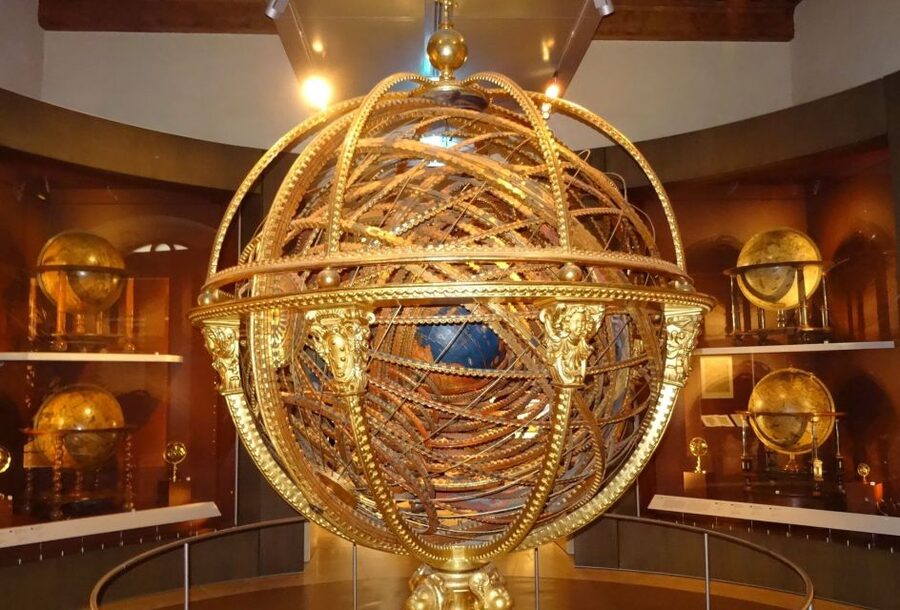
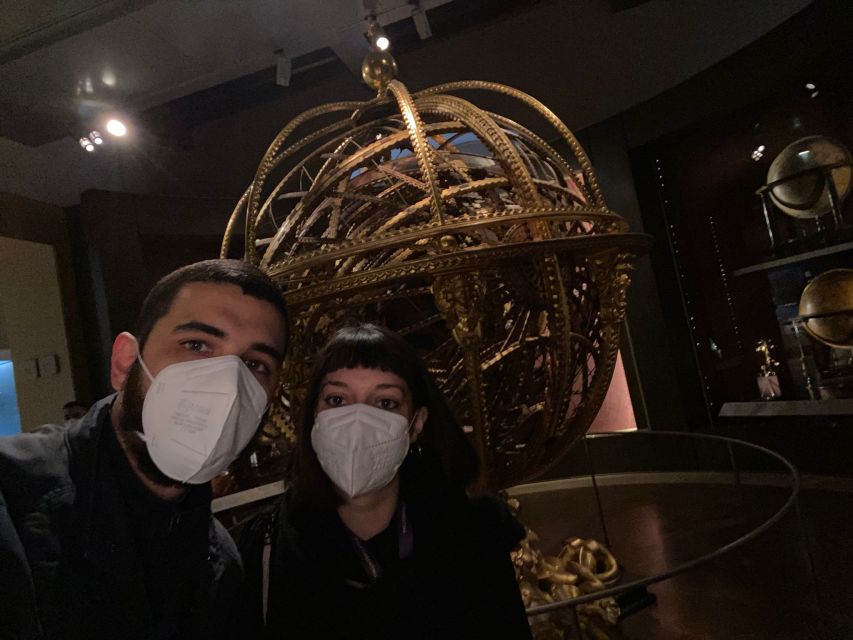
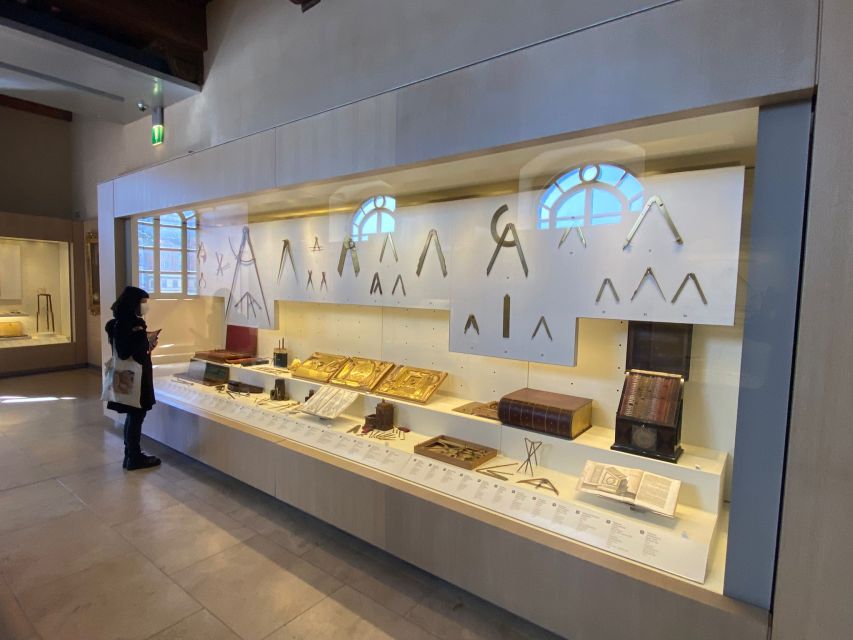
Inside the museum, expect a true instrument-fan’s visit. You can see astrolabes, celestial globes, antique clocks and thermometers, plus signature pieces like the Nocturnal by Girolamo della Volpaia (1568) and Santucci’s Armillary Sphere (1593). Photography is allowed with no flash, and it’s set up so adults and kids can both have fun, including the past’s interactive-style “games.”
Key highlights at a glance
- Original Galileo telescopes and instruments you can actually see up close
- Astrolabes and celestial globes that show how people mapped the sky
- Timekeeping and measurement focus, including antique clocks and thermometers
- Standout historical objects like the Nocturnal (1568) and Armillary Sphere (1593)
- A guide who connects the science to Galileo’s life and the Medici court
- Headsets and express entry to help you spend time looking, not waiting
Why Museo Galileo fits a private astronomy tour in Florence
Florence is the kind of city where “science” is not locked in textbooks. It’s physical. At Museo Galileo, you’re walking through a collection that grew over centuries, beginning with Cosimo I de’ Medici in the 1500s and continuing under later Medici rulers, including Grand Duke Leopoldo from the House of Lorena. This matters because the museum isn’t just about inventions. It shows how ideas traveled through courts, workshops, academies, and public displays.
What makes the private format especially useful is that the museum can feel like a cabinet of wonders if you show up without a thread. A good guided tour gives you that thread. Here, you get a structured look at how astronomy and physics developed, and how people learned to measure time and space with the tools they had.
If you enjoy the “how did they figure it out?” side of history, you’re in the right place. You’ll spend the tour connecting objects to the bigger story, not just staring at nice antiques.
More Florence experiences worth a look
- Cinque Terre and Pisa Tower Tour from Florence Semi Private
★ 5.0 · 1,406 reviews - From Florence: Private Chianti Hills Tour with Tasting
★ 4.3 · 809 reviews - Private Self-Guided E-Bike Ride in Tuscany with Vineyard Visit
★ 5.0 · 775 reviews
The instrument wall: telescopes, astrolabes, globes, and big-name timekeepers
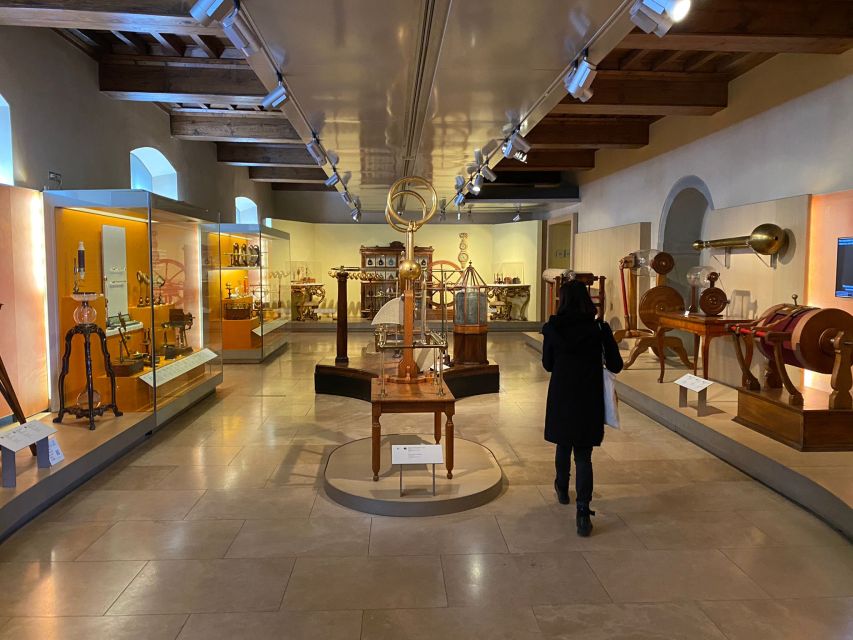
This is the part you’ll remember. The museum collection includes items built to observe, calculate, and record. And because you’re on a guided tour, you’ll understand what each object was trying to do.
Here’s what you should expect to see during your 1.5 hours:
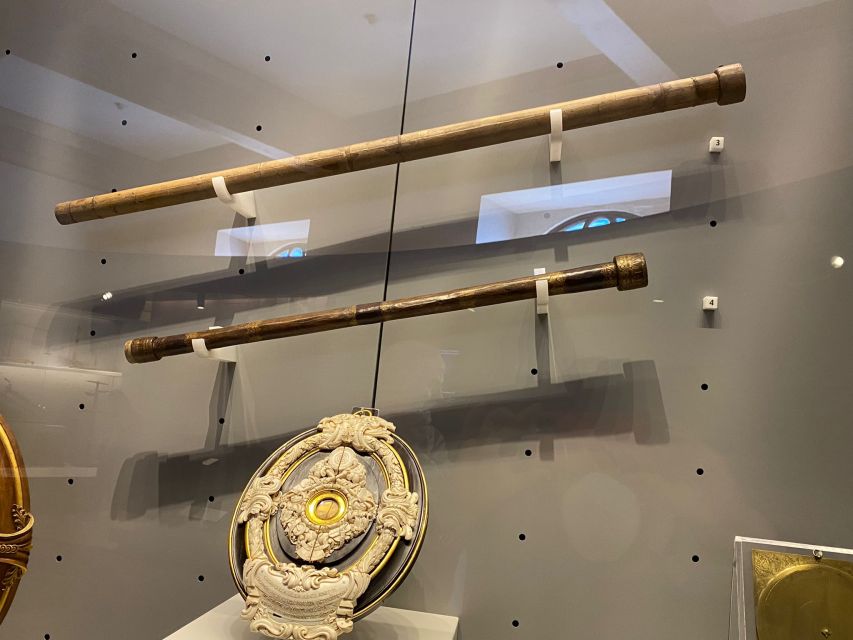
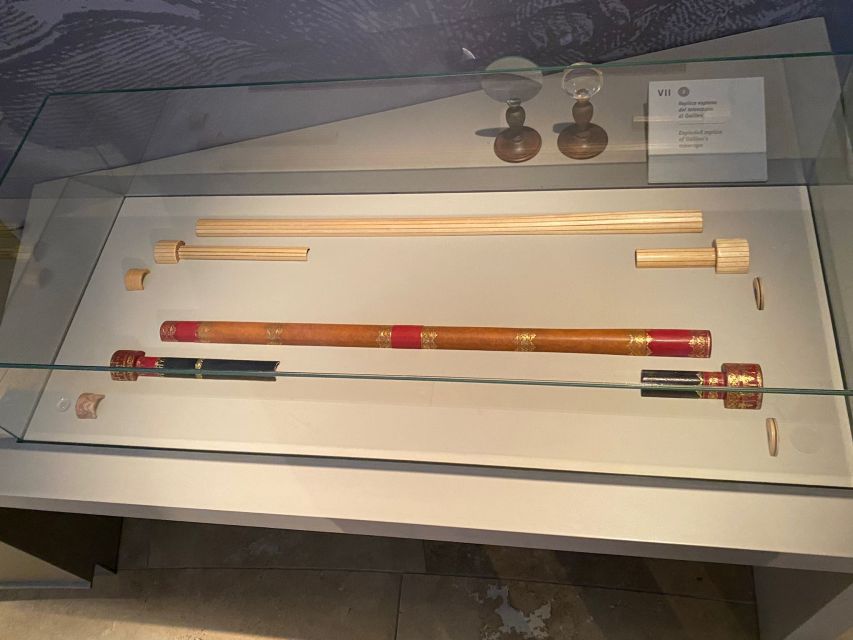
- Galileo’s original telescope and instruments
These are the headliners. Galileo’s tools are more than relics. They’re proof that his work depended on optics, careful observation, and measurement. Seeing the real instruments puts weight behind the Galileo story.
- Astrolabes and celestial globes
These objects show the practical side of early astronomy. People used them to interpret the sky in a way that could guide navigation, calendars, and scientific thinking. It’s the difference between “constellations as art” and “constellations as data.”
- Antique clocks and timekeeping tools
The tour highlights how time was measured in those years. This is a big deal historically, because timekeeping wasn’t standardized the way we expect today. You get context for why accuracy mattered for science and for daily life.
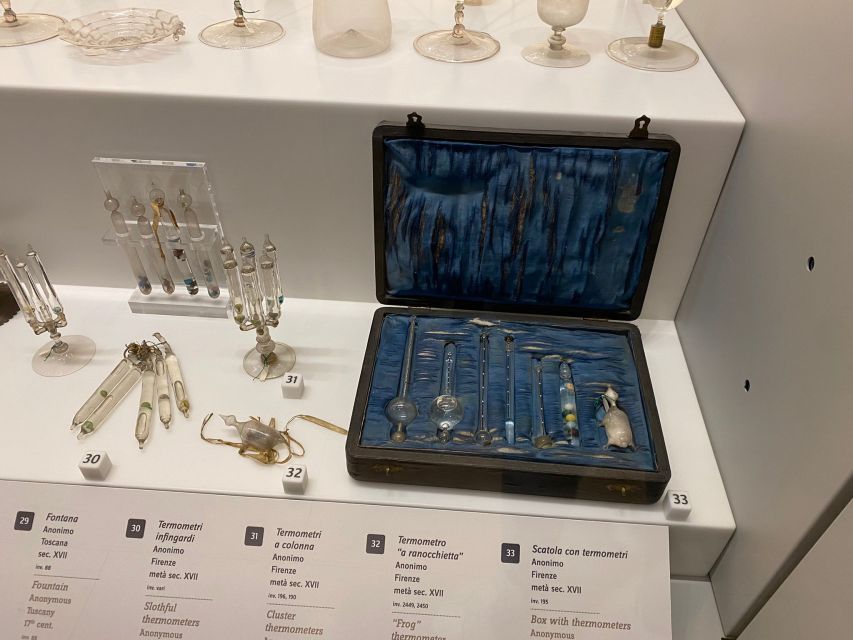
- Thermometers and measurement devices
The experience also touches on temperature measurement, not just celestial observations. It helps you see physics as a developing toolkit, not a single breakthrough.
- The Nocturnal (Girolamo della Volpaia, 1568)
This is a standout item mentioned as part of the collection. You’ll learn what it was for and why it mattered in a world that needed clever methods to track time.
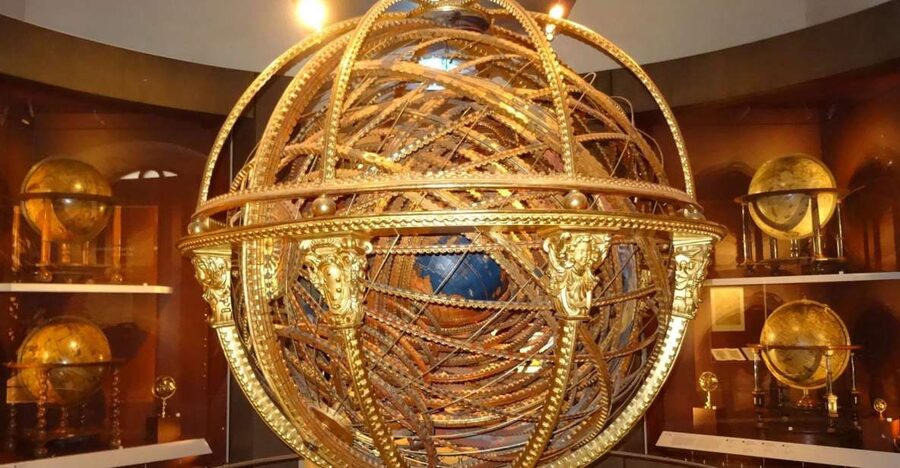
- Santucci’s Armillary Sphere (1593)
An armillary sphere is all about representing the sky with rings and geometry. If you like the idea of turning the heavens into something you can work with by hand, this object is a highlight.
- Maps on globes
You’ll also get to see globe maps, which tie the museum’s astronomy theme to how people understood the world around them.
The practical takeaway: this tour gives you a “tour of the tools” approach. That makes it a strong pick if you’re the type who likes objects you can picture being used, not just theories floating in the air.
Galileo’s Florence: Medici power, scientific academies, and court life
If the telescope is the star, Galileo’s world is the plot. Your guide is there to place objects into context, including the role of the Medici rulers and the scientific environment around Galileo.
You’ll learn that the museum is connected to the Florentine mathematician and philosopher who worked in the Medici court during the reign of Cosimo II de’ Medici. You’ll also hear how the collection developed under Medici leadership after Cosimo I, with continued support from successors, including Grand Duke Leopoldo.
There’s also a specific milestone mentioned in the museum story: in 1657, the scientific Academy of Assay was founded. That kind of detail matters because it turns Galileo from a name into a figure inside a system of patronage, institutions, and experimentation.
You’ll leave with a clearer sense of why early science flourished in certain places. It wasn’t only genius, it was funding, curiosity, and the political will to collect and display knowledge.
How the tour connects optics, electrostatics, and the evolution of astronomy
The best guided museum tours do something subtle. They help you connect what you see with what you’re meant to think about. In this case, the guide’s focus ties together several big themes:
- Evolution of astronomy
You’ll connect how astronomy changed as measurement improved and as instruments got smarter.
- Physics as measurement and experimentation
The tour doesn’t treat physics like an abstract subject. You’ll hear about how objects were used to measure things.
- Timekeeping as a scientific problem
Since the tour covers time measurement, it helps you understand why “getting the time right” was essential for observation and reasoning.
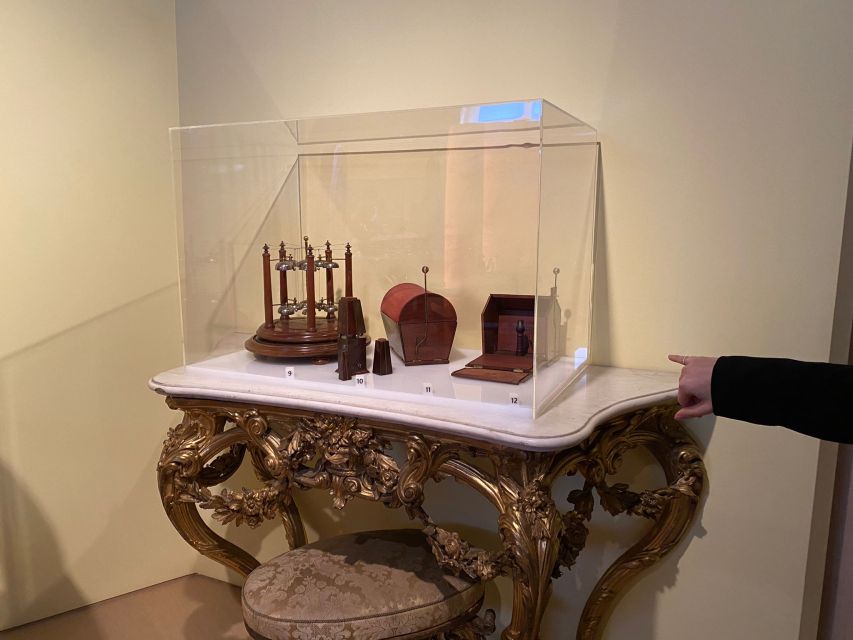
- Optics and electrostatics
These topics are explicitly part of what the tour covers. Even if you don’t remember every term afterward, you’ll walk away with the sense that Galileo’s era was working on multiple fronts, not one narrow lane.
If you’re hoping for a very technical lecture on how every device works step-by-step, the format is still only 1.5 hours. One caution from experience: if your science expectations are high and you want deeper scientific explanations rather than historical context, you may wish you paired this with extra on-site resources.
That brings us to an important tip.
A different way to spend the day in Florence:
- Florence: Skip-The-Line Uffizi Gallery Timed Entry Ticket
★ 4.5 · 27,832 reviews - Tuscany Day Trip from Florence: Siena, San Gimignano, Pisa and Lunch at a Winery
★ 5.0 · 21,634 reviews - Florence: Timed Entrance Ticket to Michelangelo’s David
★ 4.6 · 16,983 reviews - Florence: Michelangelo’s David Skip-the-Line Entry Ticket
★ 4.5 · 12,764 reviews
Getting the most from the 1.5 hours: choose your science level
The time pressure in a museum is real. Even with headsets and a private pace, you can’t do everything in 90 minutes. This tour gives you a guided historical and cultural understanding of Galileo’s work and the instruments, not a slow, lab-style walkthrough.
Here’s a strategy that works well if you love science:
- Use the guided time for historical and artistic context, and for understanding what each instrument was meant to show.
- If you want more technical science explanation, plan to add time for the museum’s app-based video explanations on your own.
One useful approach is this split-day mindset. If you’re traveling with a group and you have flexibility, you can consider one visit focused on guided context, and another window (even just time on your own inside the museum) where you let the videos handle the nitty-gritty mechanics at your own speed. You get the best of both styles: guided storytelling plus deeper device explanations.
If you don’t want the extra time and you’re mainly after Galileo’s life and the key instruments, you’ll still be satisfied. You just won’t be doing a full scientific masterclass.
Private tour format: express entry, headsets, and pacing that respects your time
The logistics are built to protect your museum time:
- Fast-track entrance tickets and express security help you start sooner.
- Headsets are included, which makes a big difference in a museum environment where sound can bounce and echo.
- The tour is private, which usually means fewer awkward moments where your interests drift away from the group’s pace.
Duration is 1.5 hours, so think of this as an intense, guided “greatest hits” visit rather than a slow museum sit-down. Wear comfortable shoes. Even if the museum is manageable, you’ll still walk and look a lot.
Also pay attention to the photo rule: photos are allowed without flash. That’s a sensible approach for protecting fragile artifacts, and it keeps you from feeling like you have to choose between memories and museum rules.
Practical tips before you meet your guide at City Florence Tours
This experience starts with a simple ritual: show up early and exchange your voucher at the ticket office before the tour begins. You meet the guide inside the “City Florence Tours” office.
A few practical notes that help everything go smoothly:
- Arrive 15 minutes before the activity time.
- Expect to use the ticket office to exchange your voucher first.
- If you’re carrying a large bag or backpack, you may need to store it in the cloakroom.
- Bring patience for museum crowds, even with express entry, because Florence museums can still be busy around peak times.
Your guide can speak multiple languages: English, Spanish, German, Italian, and French. If you’re traveling with a language preference, it’s worth checking availability when you book.
Price and value: is $159 per person worth it?
At $159 per person for 1.5 hours, this is not a “bargain museum visit.” It’s priced like a premium private tour, and that can be smart value if you care about the experience more than the cost per minute.
Here’s the value equation that makes sense for this particular tour:
- You’re paying for a professional guide who connects instruments to Galileo’s life and the Medici context.
- You get fast-track entry plus headsets, which helps you avoid wasted time and confusion.
- Because it’s private, you’re not competing with a big group for attention.
So, who should lean toward booking?
- Families who want Galileo in a friendly format that still feels substantial
- Science-minded travelers who want the “what you’re seeing and why it matters” explained
- People who want a structured Florence museum stop without losing themselves in a room of instruments
Who might hesitate?
- If you only want a quick browse and you’re comfortable using self-guided tools and videos, you might prefer a self-paced visit.
- If you strongly require very technical scientific explanations, the short guided format may feel like it stays too historical.
Who this Galileo astronomy tour suits best in real life
This tour is a great match for:
- Adults and kids who enjoy educational museum experiences. The tour notes that it includes fun, past “games,” which helps younger visitors stay engaged.
- Travelers who want their Florence museum visit to feel guided and coherent, not just photo stops.
- Anyone interested in the measurement side of science, including time, space, and temperature.
A quick note on mobility: the museum is described as fully wheelchair accessible, yet the activity also states it’s not suitable for people with mobility impairments. Because those two statements can conflict in practice, you should confirm expectations directly with the provider before booking so you don’t get surprised.
Should you book this private Museo Galileo tour?
Book it if you want a well-paced, guided “instruments and context” visit to one of the most important science collections tied to Galileo. The combination of original telescopes, measurement objects like the Nocturnal and Armillary Sphere, and a guide who connects it all to Galileo’s life and the Medici world is exactly what a private tour should do.
Skip or think twice if you’re mainly hunting for long, technical explanations of how devices work. In that case, you’ll likely get more satisfaction by pairing guided context with extra app-based video learning, or by planning a longer self-guided window.
If you’re excited by the idea that science is not only theories, but tools, clocks, rings, globes, and the search to measure what we cannot hold, this is a strong Florence pick.
Just reviewed around Florence
- Tuscany: Leonardo da Vinci – Oil and Wine Discovery Tour★ 4.8 · 5 reviews
- Livorno Port, Pisa, Florence: Full-Day Shore Excursion★ 4.8 · 51 reviews
- Legends of Florence: Exclusive Walking Tour by night★ 4.9 · 70 reviews
- Leather and Passion: A Tour of Florentine Craftsmanship★ 5.0 · 16 reviews
- Illuminated Florence Tour for Kids with Gelato & Pizza★ 5.0 · 6 reviews
- Inferno Florence Private 3-Hour Tour★ 4.8 · 20 reviews
- Hidden Florence: 2-Hour Guided Walking Tour★ 4.7 · 36 reviews
- 3-Hour Historic WhoDunIt Tour in Florence★ 3.2 · 6 reviews
Private Tours, compared.
Cinque Terre and Pisa Tower Tour from Florence Semi Private
Read our review →
Private Self-Guided E-Bike Ride in Tuscany with Vineyard Visit
Read our review →
Private Uffizi Gallery Discovery Tour with Ticket
Read our review →
Florence Exclusive PRIVATE Food Tour with 6 or 10 Tastings
Read our review →
Uffizi Highlights, In-Depth Masterclass or Private Tour
Read our review →