
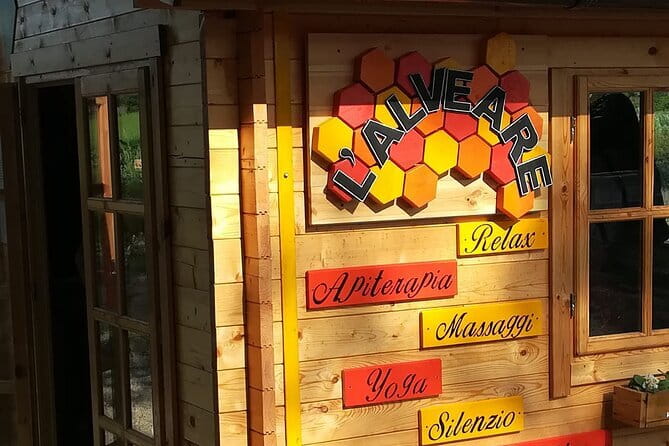
Reviewed · TUSCANY COUNTRYSIDE TOURS
Discovering Bees in Volterra
This experience is interesting because it takes you beyond honey jars and into the daily life of a real working hive. You walk about 500m to an educational apiary, spot old farm tools from up to the 1970s, then get safe hive viewing where you can observe bees doing their jobs. The hosts, including Valentina, bring a friendly, hands-on feel that makes the science stick.
I love two things most: the fresh honey tasting and the chance to see the hive structure and castes up close. You’ll also hear the funny and sad story of the drone, which is an easy way to remember why each bee type matters. One thing to consider, the access route to the farm can be bumpy, and the activity depends on good weather.
Key Highlights You Will Care About
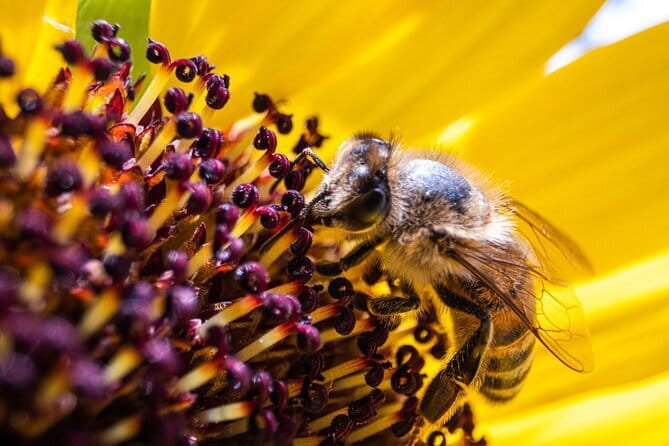
- Walk to the apiary plus old agricultural tools: about a 500m stroll where you can see tools still used until the 1970s.
- Inside-the-house bee watching, safely: observation from within the apiary setup, with protective measures in place.
- Clear explanation of the three castes: queen bee, worker bees, and drones, including a memorable drone story.
- Honey is not the only product: learn how propolis, pollen, and royal jelly are part of hive life.
- You help with honey extraction in the laboratory: then taste freshly extracted honey before product tasting and purchasing at Km0.
A 90-Minute Bee Lesson Outside Volterra
If you want a Tuscany activity that is fun and practical, this one hits the sweet spot. It is a 1 hour 30 minutes visit focused on bees, but it does not feel like a lecture. You move from walk to observation to beekeeper work, then you end with extraction and tasting, which is where the whole lesson becomes real.
The price is $24.10 per person, and for that you get a structured experience with multiple parts, including tasting and a honey extraction moment. It is not just watching from afar. It is also private, meaning your group is not mixed with strangers, which often makes questions easier and the explanations more personal.
The best part, for me, is the balance of safety and authenticity. You get to see how the hive functions without turning it into a “hope it goes well” situation.
More Tuscan countryside outings:
- Small-Group Wine Tasting Experience in the Tuscan Countryside
★ 5.0 · 7,392 reviews - San Gimignano, Siena, Monteriggioni, Chianti Day Trip with Lunch & Wine Tasting
★ 4.5 · 4,432 reviews - Florence: Siena, San Gimignano & Monteriggioni with Tasting
★ 4.6 · 3,218 reviews
Walking the 500m to the Apiary and the Tools of the Past
The tour starts at Miele del FertiPodere Torricella, 65, 56048 Volterra PI, Italy, and from there you walk about 500m to the educational apiary. That short walk is not filler. It sets the tone, because you can observe old agricultural tools in use up to the 1970s during the stroll.
Why that matters: bees are part of a working landscape, not just a background nature scene. Seeing the farm setting and the equipment helps you understand that beekeeping happens alongside older agricultural rhythms. It is also a nice reset if you are arriving from busier cities like Florence.
Practical note: this is a farm walk. Wear comfortable shoes you do not mind getting a little dusty, especially if the ground is dry or a bit uneven.
Inside the Apiario House: Queen, Workers, and Drones in Real Life
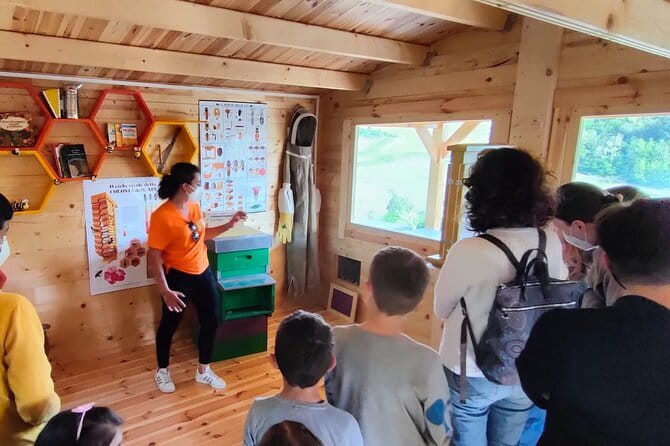
Once you reach the apiary, the heart of the visit is the bee observation inside the house. You watch bees doing their duties from a position designed to keep things safe for you and for the hive. People who are curious but not sure they will like bees usually leave feeling the opposite. The explanations are clear, and the action is close.
Here is what you learn during this section:
- The three castes and what each one does: queen bee, worker bees, and drones
- The queen bee’s role, presented in a way that you can picture quickly
- What workers actually do as they go about hive life
- The funny and sad story of the drone, which ties behavior to purpose
That drone story is more than a cute side note. It helps you see why not every bee is “busy” in the same way, and why their lives are built around reproduction and support roles. When you get the castes into your head early, later sections like the tasting make more sense.
If you are someone who gets squeamish around insects, do not panic. The key phrase here is in total safety, and the tour is designed so you can observe without going into risky territory.
Watching the Beekeeper Work Outside, and Why It Matters
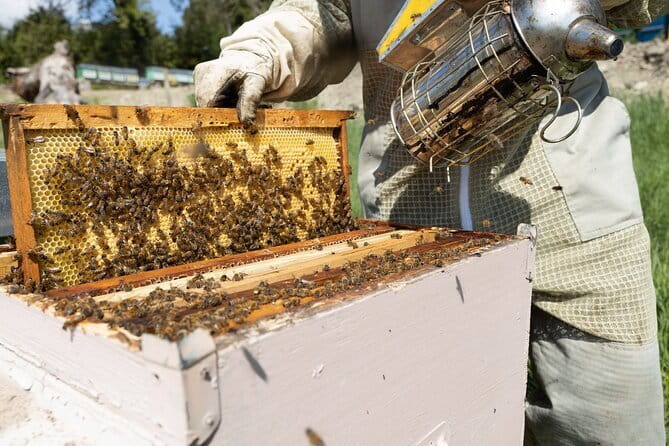
After the inside observation, the group returns to see live work outside the house. This is where beekeeping stops being theoretical.
You’ll see the beekeeper’s work as bees continue their normal routine nearby. That matters because you start to connect the castes you learned about to real actions a beekeeper takes. You understand that good beekeeping is not just timing, it is also respect for the hive’s needs and careful handling.
The family hosting the experience, including Valentina and other family members such as Simone and Biagio, keep the tone playful and practical. The vibe matters because you can ask questions without feeling rushed.
One practical consideration: you may wear a protective suit during the more hands-on viewing moments. You can also expect a bit of nerves from first-timers, but the structure is set up so you are not left alone with uncertainty.
A different way to spend the day in Florence:
- Florence: Skip-The-Line Uffizi Gallery Timed Entry Ticket
★ 4.5 · 27,832 reviews - Tuscany Day Trip from Florence: Siena, San Gimignano, Pisa and Lunch at a Winery
★ 5.0 · 21,634 reviews - Florence: Timed Entrance Ticket to Michelangelo’s David
★ 4.6 · 16,983 reviews - Florence: Michelangelo’s David Skip-the-Line Entry Ticket
★ 4.5 · 12,764 reviews
What the Hive Produces: More Than Just Honey
A big reason this tour earns a perfect score with many repeat-friendly visitors is that it expands the idea of what bees make. Yes, you will talk about honey. But the experience pushes further into a fuller picture of hive production.
Inside the explanation, you learn what the hive can produce, including:
- honey
- propolis
- pollen
- royal jelly
The practical value here is that you start tasting with knowledge. If you have ever wondered why one honey tastes floral while another tastes darker or more intense, this gives you the vocabulary to notice differences.
It also helps you appreciate why beekeeping is valued even when you are not buying honey. The products are tied to bee behavior and to how the hive functions day to day.
Honey Extraction in the Laboratory, Then Fresh Tasting
After the apiary time, you return to the point of sale area. This is where the experience turns from observation to participation.
You can participate in honey extraction in the laboratory. Then you taste freshly extracted honey. That sequence is clever, because you do not just read about the process. You see the steps and then you taste the result while it is still “new.”
Then comes a second round of tasting, this time with the possibility of purchasing products at Km0. Km0 usually means a focus on local production, and in this context it is a natural wrap-up. If something tastes like your kind of thing, you can buy it right there.
This is also where I think the value shows up. For $24.10, you are getting multiple learning moments plus tasting, not just a single honey sample at the end.
Price, Timing, and Getting Value for $24.10
At $24.10 per person for about 1 hour 30 minutes, this is one of those activities that costs less than many city tours, but gives you a full sequence of experiences. The main value drivers are:
- private tour format, so you can ask questions
- a multi-step itinerary (walk, inside viewing, outside beekeeper work, lab extraction, tasting)
- tasting of freshly extracted honey and multiple hive products
The tour is also commonly booked about 55 days in advance on average. That suggests demand stays steady, especially for family trips during busier seasons. If you are traveling in peak months, I would book ahead rather than wait.
Language is English, and the ticket is mobile. If you hate hunting for paperwork on your phone at the last second, this is a nice convenience.
Logistics in Real Life: Meeting Point and Weather Dependence

Your start is the Miele del FertiPodere Torricella address in Volterra. The broader trip is described as being from Florence, but this activity itself begins at that Volterra meeting point. Plan your own route to get there, and give yourself a little buffer for rural roads.
The experience requires good weather. If the day turns rainy or conditions are poor, you should expect rescheduling options or a full refund. That is not a minor detail here, because an outdoor walk and farm surroundings are part of the flow.
One more real-world heads-up: the access road can be unpaved and bumpy. It is not a showstopper, but it is worth knowing if you have mobility concerns or you are traveling with small kids.
Who Will Enjoy This Most (And Who Might Not)
This is a strong fit if you want an education that does not feel stiff. It works especially well for:
- families, because the castes lesson and drone story can be explained in an approachable way
- couples and friends, because it combines sightseeing plus tasting
- food lovers, since honey and other hive products are the payoff
It is also a good choice if you like hands-on experiences. Participating in honey extraction makes it feel like you did something, not just watched something.
Who might hesitate? If bees make you anxious and you strongly dislike insects, even with protective safety, you might still feel uncomfortable. The tour is designed to keep things safe, but your personal comfort matters.
Practical Tips to Make the Most of Your Apiary Visit
A few practical ideas will help you get more out of each segment:
- Ask questions early, especially about the three castes and what each one is doing. Once you understand queen versus workers versus drones, the rest becomes easier to follow.
- Stay present during the inside observation. It is the part that helps you picture hive structure and roles.
- Come with a tasting mindset. After the extraction, you will have a better chance to notice differences between honey types and products like propolis, pollen, and royal jelly.
- Plan for the road conditions. If you are prone to discomfort on rough surfaces, take your time on the way in.
And if Valentina or other family members like Simone or Biagio are chatting, lean into it. The experience works because the explanations come from people who care about their land and bees.
Should You Book Discovering Bees in Volterra?
I’d book this if you want a genuinely different Tuscany moment that mixes farm life, real bee behavior, and real food tasting. The standout strengths are the safe inside hive observation, the clear castes explanation, and the hands-on extraction plus tasting.
I would think twice if you hate insect-related activities, or if you know you struggle with uneven rural access roads. Also, if your schedule is tight and you cannot flex for weather, build in contingency time.
Bottom line: for $24.10 and about 1.5 hours, you get a full arc, not a quick stop. If bees and local products are your kind of thing, this is the kind of tour you will talk about long after the honey is gone.
FAQ
How long is Discovering Bees in Volterra?
It lasts about 1 hour 30 minutes.
Where does the tour start and end?
The meeting point is Miele del FertiPodere Torricella, 65, 56048 Volterra PI, Italy. The activity ends back at the meeting point.
Is the tour private and will I share with strangers?
Yes, it is a private tour or activity. Only your group will participate.
What language is the tour offered in?
The tour is offered in English.
What happens during the apiary visit?
You walk to the educational apiary, observe bees in total safety from inside the house, learn about the queen bee, worker bees, and drones, hear the story of the drone, see what the beekeeper does outside the house, then return to taste and participate in honey extraction in the laboratory.
Is it only honey tasting at the end?
No. You’ll taste freshly extracted honey and also taste other hive products, with the possibility of purchasing products at Km0.
What if the weather is bad or I need to cancel?
The experience requires good weather. If it is canceled due to poor weather, you will be offered a different date or a full refund. You can cancel up to 24 hours in advance for a full refund.
Just reviewed around Florence
- Art and History in Florence: Small Group Walking Tour★ 5.0 · 25 reviews
- Sculpture in Florence : Traditional Clay modelling class★ 5.0 · 12 reviews
- Florence treasures on a city bike – 1 day rental –★ 5.0 · 25 reviews
- Exclusive Cinque Terre Day Trip from Florence★ 5.0 · 102 reviews
- Private Tour to Cinque Terre in English, Español and Purtuguês★ 5.0 · 3 reviews
- Full-Day Small-Group Cinque Terre Tour from Florence★ 4.5 · 58 reviews
- Cinque Terre Vibes with Postcard Perfection and Lunch Treats★ 5.0 · 3 reviews
- Cinque Terre Private with the leaning tower Pisa from Florence★ 5.0 · 9 reviews
Tuscany Countryside Tours, compared.
Small-Group Wine Tasting Experience in the Tuscan Countryside
Read our review →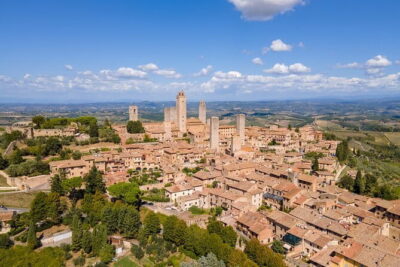
San Gimignano, Siena, Monteriggioni, Chianti Day Trip with Lunch & Wine Tasting
Read our review →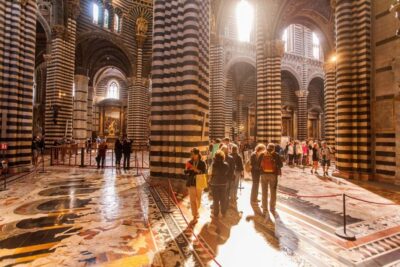
Siena, San Gimignano & Monteriggioni with Tasting
Read our review →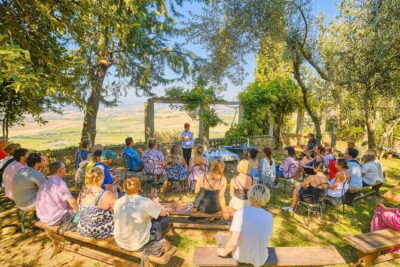
Full Day Tour to Val d’Orcia and Gladiator’s Fields with Wines
Read our review →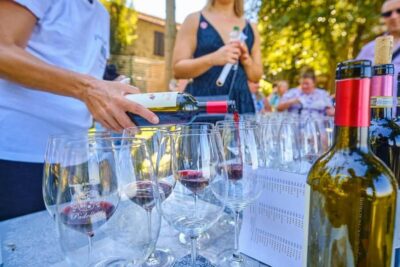
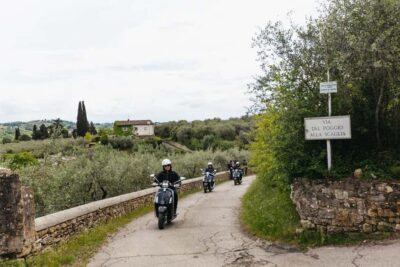
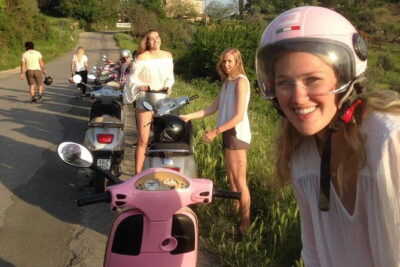
Tuscany Vespa Tour: Lunch & Wine Tasting, Countryside Roads
Read our review →
Countryside Tour with Wine Tasting & Pasta Class
Read our review →Browse the lists this tour appears in