
Reviewed · CHIANTI WINE TOURS
Chianti Rufina: Wine Tour in Castle & Historical Villa
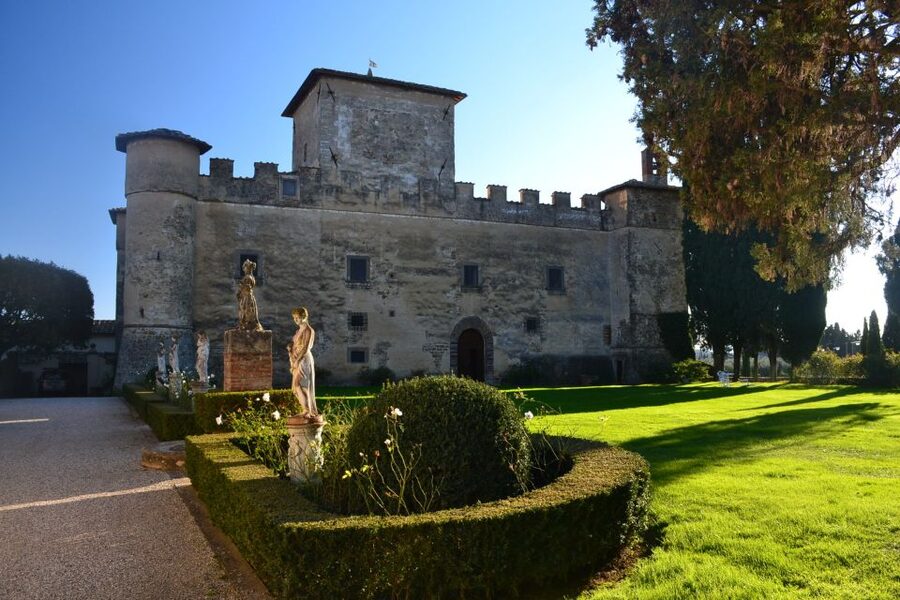
Chianti Rufina has a fun, almost cinematic feel because you’re tasting wine in medieval castle settings and then riding through one of Tuscany’s quieter wine pockets. I love the two-estate format and the small group size that keeps things relaxed. One drawback to consider: it’s a full day, so you’ll want comfortable shoes and a good attitude for some walking and time in the minivan.
I especially like that this tour mixes wine education with real place. You’re not just getting drinks, you’re learning how Chianti’s wine-growing traditions shape what ends up in your glass. Expect the day to move at a steady pace.
If you’re hoping for a totally hands-off, lounging-only experience, this may feel a little active. You will taste, listen, and move between stops over about 7 hours.
Key things I’d focus on before you go
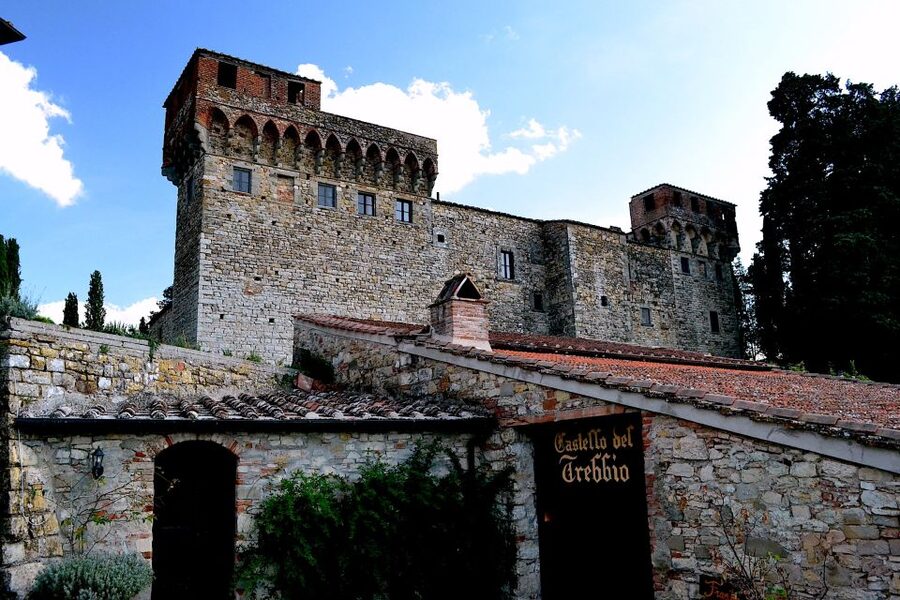
- Two castles in one day: Your first winery visit is at either Castello della Panereta or Castello di Monsanto, then you’ll return later for a second estate.
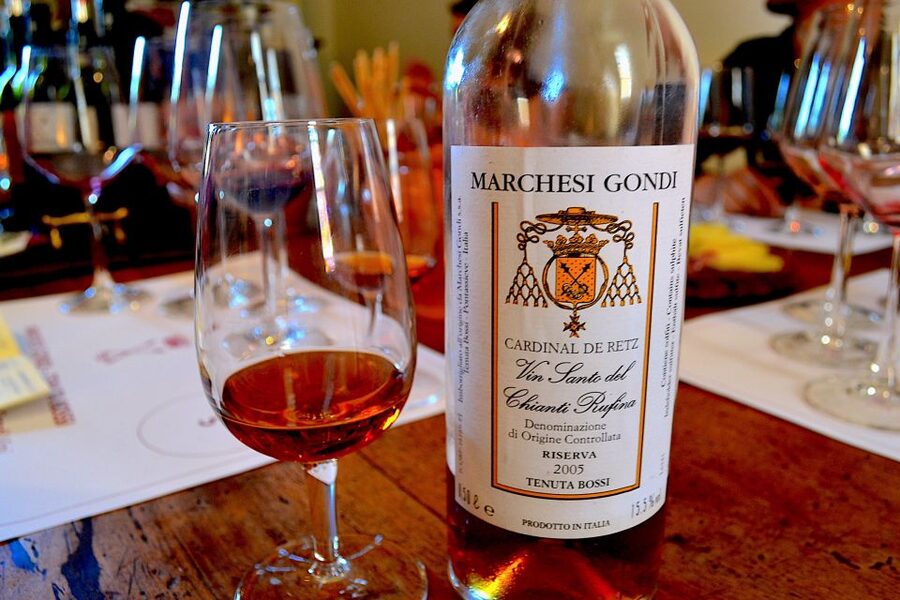
- Two tasting rounds: You’ll get tastings at both stops, with a lineup that typically includes at least one Chianti Classico Regular, a Chianti Classico Reserve, and Super Tuscan.
- Lunch built from local Tuscan produce: Expect a light meal featuring pasta, cold cuts, and cheeses.
- Expert English guidance: The tour runs with a live guide and stays limited to 8 participants, which makes questions easy.
- Scenic drive through Chianti Hills: The ride matters here, because you’re traveling through a “get your bearings” Tuscany corridor, not just shuttling to one viewpoint.
Why Chianti Rufina feels different once you’re drinking in castles
If you’ve done a standard Tuscany wine tour before, you know the genre can blur together fast. This one keeps its identity by pairing wine with medieval architecture, so the tastings happen in a setting that feels like it has a past you can actually see.
Rufina is also a strong choice for anyone who wants Chianti without the busiest, most tourist-heavy vibes. You get that classic Tuscany feel, but with a route that leans toward quieter countryside. The point is simple: when the drive is pleasant and the scenery is varied, your brain slows down and you taste with more attention.
And this format helps. You’ll start in Florence, then you’ll visit two estates and come back the same day. You get enough variety to make the day worthwhile, but not so much that it feels like nonstop bus time.
More Chianti wine trips from Florence:
- Florence: Pisa, Siena, San Gimignano, and Chianti Experience
★ 4.5 · 8,393 reviews - Florence: Chianti Wineries Tour with Wine Tasting
★ 4.5 · 8,301 reviews - San Gimignano, Siena, Monteriggioni, Chianti Day Trip with Lunch & Wine Tasting
★ 4.5 · 4,432 reviews
Florence meeting point: easy start, small-group rhythm
Your day begins at Piazza Cavalleggeri, in front of the staircase of the Biblioteca Nazionale. I like this kind of start because it’s clear, central, and it gets you moving quickly.
From there, you’ll travel in a minivan with a small group capped at 8. That small size is a big deal on wine tours. It keeps the guide’s explanations clear, and it means you’re not stuck shouting over a crowd during tastings.
The tour runs for about 7 hours, and it’s in English with an expert local guide. If you like asking questions about wine styles, growing practices, or pairing logic, you’ll have a better chance to do it here than on big-group tours.
Practical note: bring comfortable shoes. Even if you’re not on a hiking trail, estate walks and cellar steps can be uneven, and you’ll appreciate shoes that handle it.
Estate stop one in a medieval castle: Panereta or Monsanto
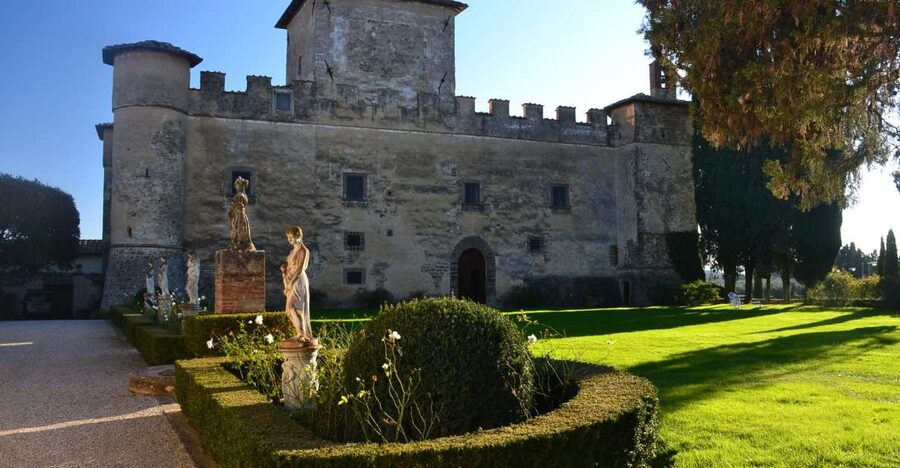
Your first winery stop is at either Castello della Panereta or Castello di Monsanto. The exact choice can vary, but the experience design stays consistent: you’re visiting an estate with cellars and a guided explanation of what they produce and why.
What makes this stop special is the way the setting supports the story. In Tuscany, wine culture is not abstract. It’s built into buildings, land, and long-running farming choices. Seeing the castle grounds while you learn about the estate’s wine-growing traditions helps the information stick.
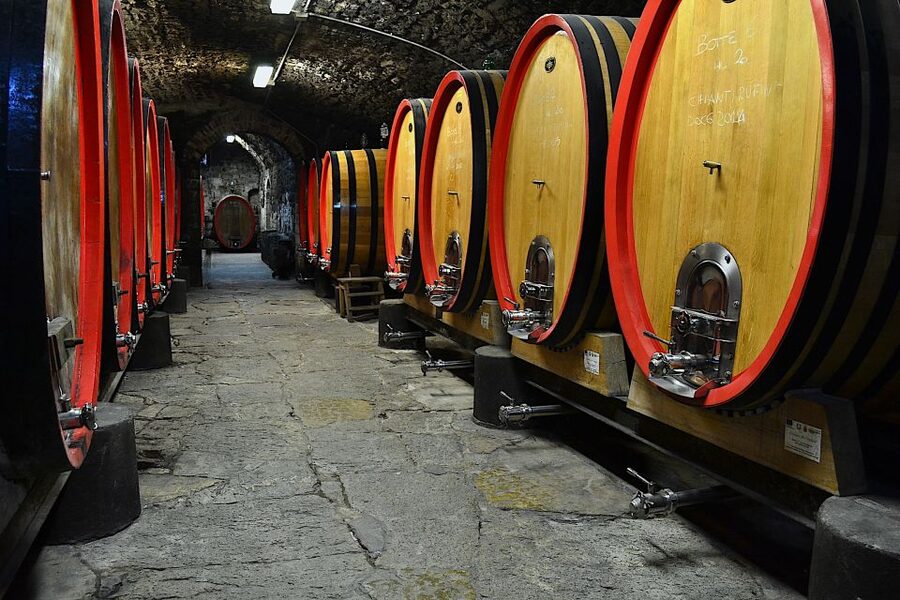
In the cellar, you’ll get tastings plus an explanation of the wines and other specialties made on the property. This is where I’d pay attention to the guide’s pacing. Good tastings are not just about getting to the next pour. They’re about learning how to smell, how to interpret acidity, and how the wine changes after it has a moment to open.
You may not get the same exact lineup every time, but you should expect at least one Chianti Classico Regular, a Chianti Classico Reserve, and Super Tuscan in the tasting set.
The tasting lineup: what to expect in your glass
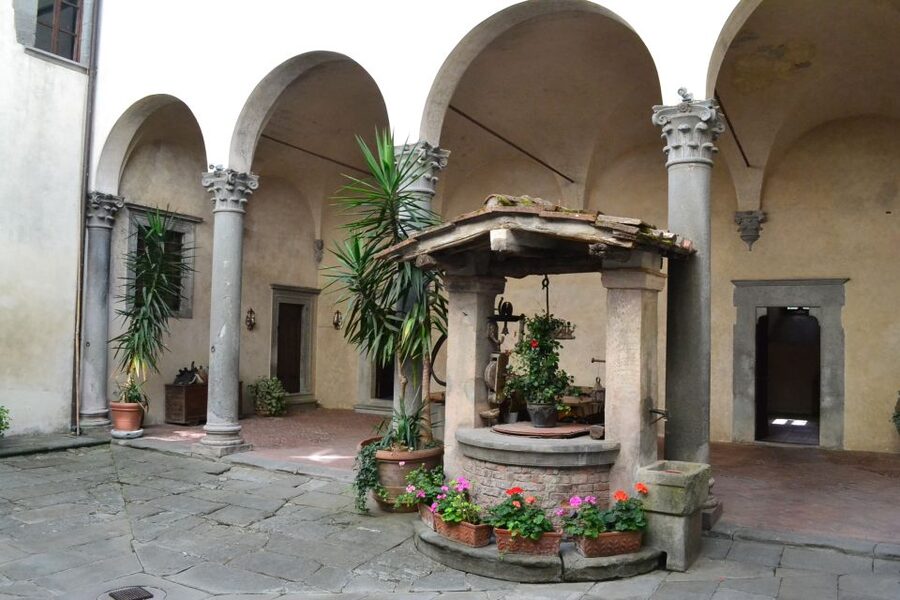
This tour is built around classic Chianti categories, with one extra curveball to keep things interesting: Super Tuscan.
Here’s how that helps you as a visitor:
- Chianti Classico Regular is often a great baseline. It helps you understand the core identity of the region before you compare it with more serious or more selective styles.
- Chianti Classico Reserve usually signals more time and more focus in how the wine is made. It’s the “slow down and notice” bottle in the set.
- Super Tuscan is where you see how winemakers flex beyond the strictest expectations. Even if you’re new to it, it’s usually a memorable contrast.
One thing I like about this tour is that you’re not left to guess. Multiple guides have highlighted teaching the group how to trust the nose and palate, which makes your tasting less like a guessing game and more like a skill you pick up in real time.
If you’re the kind of person who thinks you’re not “good at wine,” this is a good place to correct that belief. The tastings are guided, and you’ll learn a practical approach to assessing a wine without needing a sommelier badge.
More wine experiences around Florence:
- Tuscany Day Trip from Florence: Siena, San Gimignano, Pisa and Lunch at a Winery
★ 5.0 · 21,634 reviews - Florence: Pasta Cooking Class with Unlimited Wine
★ 4.9 · 10,285 reviews - Small-Group Wine Tasting Experience in the Tuscan Countryside
★ 5.0 · 7,392 reviews - Florence: Pasta & Tiramisu Cooking Class with Unlimited Wine
★ 4.9 · 6,708 reviews
Lunch break in town: pasta, cold cuts, and cheese
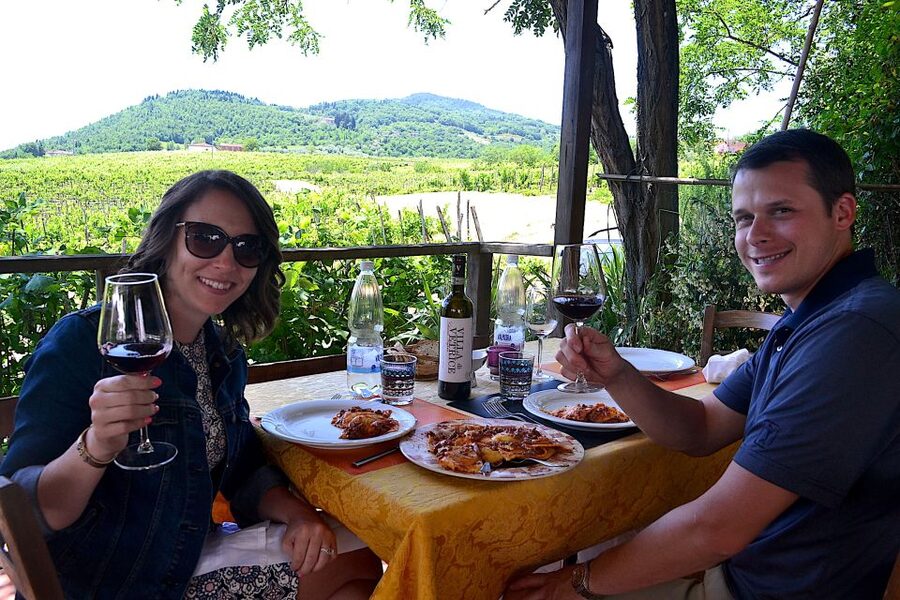
Between the two estates, you’ll stop for lunch at a local restaurant. This is not a sad sandwich stop. It’s a proper midday break designed to refresh you so the afternoon tastings still feel fun.
The lunch is described as a light meal with a range of Tuscan specialties, including:
- pasta
- cold cuts
- cheeses
This matters because Chianti is all about how flavors work together. The lunch gives you a natural pairing anchor before you head back out for the second round. I’d treat lunch as a reset for your palate. Take a moment to breathe, eat slowly, and then come back ready to notice how different wines handle food.
Estate stop two: Fattoria Montecchio or Castello dei Rampolla
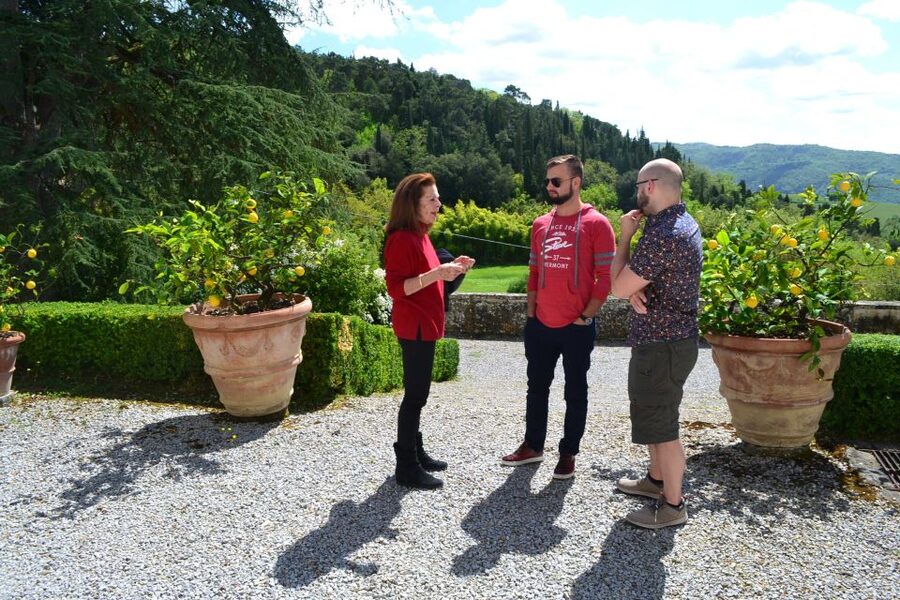
In the afternoon, you’ll visit a second winery: either Fattoria Montecchio or Castello dei Rampolla. Like the first stop, the exact estate can vary, but the structure stays consistent: a guided visit and additional tastings of prestigious Chianti wines.
The value of a second estate is simple. You get comparison. Even when wines feel similar on the surface, the details change with:
- how grapes are grown
- how the estate approaches aging
- how the winemaker aims for balance
And the medieval setting keeps the day from becoming a repetitive “drink, drink, drink” routine. Instead, the afternoon feels like a continuation of a theme, not a second copy of the morning.
If you care about learning, this stop is where the earlier tasting lessons pay off. By then, you’ll have a mental map of what the guide is pointing you toward, and you’ll be better prepared to notice differences.
The countryside drive: part of the point, not dead time
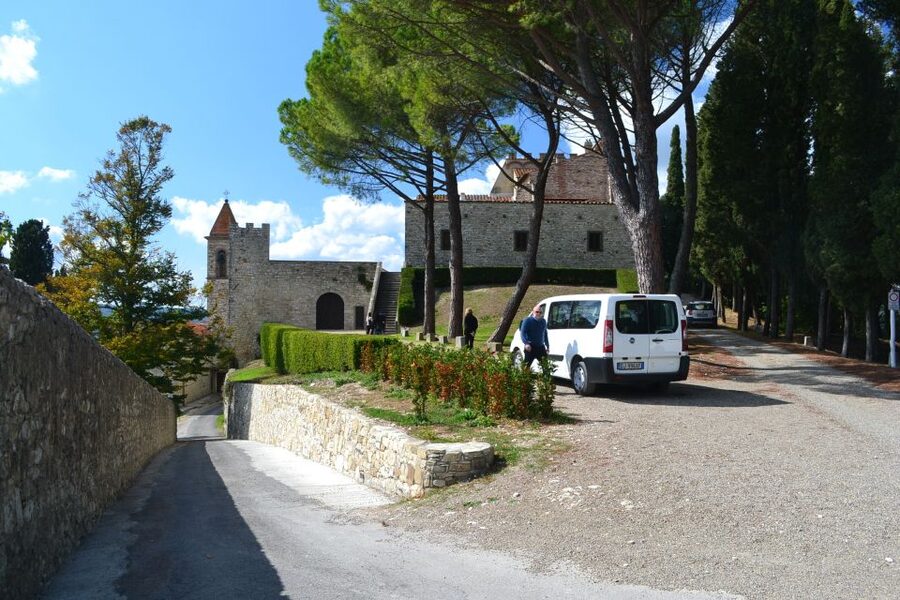
The tour includes a scenic drive through the Chianti countryside, which is a big part of why the day feels like more than a checklist.
There’s a reason this matters: wine tastes better when you’re not mentally stuck on logistics. The ride gives you time to absorb the region’s texture, the spacing of vineyards, and the general pace of rural Tuscany.
Think of it like this: Florence is great, but it can be a bit intense. A countryside drive gives your body a different tempo, and that carries into your tastings.
Price and value: what you’re really paying for
At $283.21 per person for about 7 hours, this tour isn’t cheap. But the price makes more sense when you look at what’s included.
You typically get:
- services of an expert local guide
- transportation in a minivan
- wine tasting fees
- lunch
That combination is usually where value lives on a day tour. You’re paying for wine access, the guide’s teaching time, and the hassle-free transportation between multiple estates. If you tried to recreate this on your own, you’d spend time booking tastings, arranging rides, and trying to solve logistics for two different wineries.
A fair way to assess it: if you want a guided day that includes tastings at multiple estates plus lunch, the cost can feel reasonable. If you’re only looking for one quick tasting and you’re comfortable driving yourself, it may be more than you need.
Also keep in mind that the tour is not suitable for pregnant women and not suitable for people with mobility impairments. The day includes winery walking and time on uneven surfaces, so it’s important to match the format to your body.
Who this tour is best for (and who should skip it)
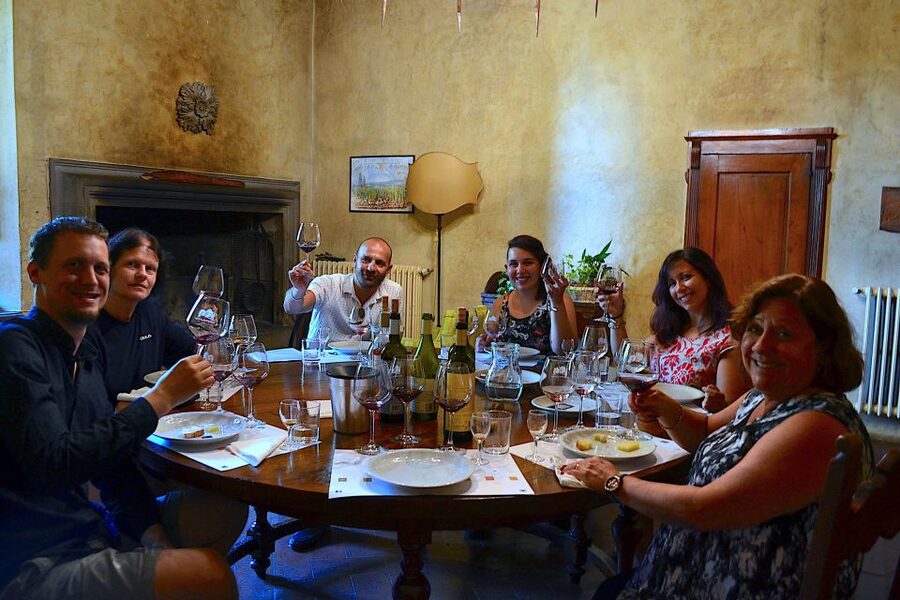
This tour fits well if you:
- want a full-day Chianti experience without the stress of planning tastings
- like wine education, not just sipping
- enjoy historical settings and countryside views
- want a small group, limited to 8 participants
It may not fit you if you:
- need a very slow pace and minimal walking
- have mobility challenges that make estate terrain difficult
- prefer flexibility to linger in one place for hours
One more practical thing: there are rules. Pets are not allowed, smoking is not allowed, and you should plan for no luggage or large bags. If you’re traveling with extra gear, you’ll want a lighter setup for the day.
A quick note on guides, and why it matters for your day
This is one of those tours where the guide can make the difference between a good tasting day and a memorable one. Past guides associated with this experience include Matteo and Hilary, and they’ve been praised for being engaging and for teaching tasting in a way that helps you trust your own nose and palate.
If your goal is to leave with wine vocabulary you can actually use, the teaching style is part of the value. The guide also covers pairing logic, and you may even be taught practical steps like how to let wine open before serving.
Should you book the Chianti Rufina Castle and Historical Villa wine tour?
Book it if you want a structured, guided day where wine tasting happens in a medieval castle setting, you visit two estates, and you get food included. The small group size and English guide make it feel personal, and the tasting lineup that often includes Chianti Classico Regular, Chianti Classico Reserve, and Super Tuscan gives you range in one day.
Skip it if you’re sensitive to pace, you have mobility limitations, or you’re hoping for a purely lounging experience. This is a day with tastings, walking, and a countryside drive that keeps things moving.
If you’re weighing it against a simpler wine tour, I’d choose this one when you want both education and a strong sense of place. Tuscany is best when you’re not just looking at it, you’re tasting it in context.
FAQ
How long is the Chianti Rufina wine tour from Florence?
The tour duration is 7 hours.
Where does the tour start in Florence?
The meeting point is Piazza Cavalleggeri, in front of the staircase of the Biblioteca Nazionale.
How many wineries will I visit in one day?
You’ll visit two Chianti wine estates on the day, with tastings at both.
What wine tastings should I expect?
The tastings typically include at least one Chianti Classico Regular, a Chianti Classico Reserve, and Super Tuscan.
What is included in the price?
Included are the expert local guide, minivan transportation, wine tasting fees, and lunch.
What will lunch be like?
Lunch is a light traditional Tuscan meal that includes pasta, cold cuts, and cheeses.
What should I bring and wear?
Wear comfortable shoes, since you’ll be doing some walking.
Is the tour available in English?
Yes, the live tour guide speaks English.
Are there restrictions on what I can bring or do?
The tour does not allow pets, smoking, or luggage or large bags.
More History Tours in Florence
- Tipsy Tour: Guided Bar Crawl In Florence with Dark History
★ 5.0 · 271 reviews - Florence Cooking Course with Historic Local Market Visit
★ 4.5 · 151 reviews - Florence: Medici Family History Tour
★ 4.3 · 93 reviews - Florence: Fashion History Guided Walking Tour & Museum Visit
★ 4.2 · 72 reviews
Just reviewed around Florence
- Tuscany: Leonardo da Vinci – Oil and Wine Discovery Tour★ 4.8 · 5 reviews
- Livorno Port, Pisa, Florence: Full-Day Shore Excursion★ 4.8 · 51 reviews
- Legends of Florence: Exclusive Walking Tour by night★ 4.9 · 70 reviews
- Leather and Passion: A Tour of Florentine Craftsmanship★ 5.0 · 16 reviews
- Illuminated Florence Tour for Kids with Gelato & Pizza★ 5.0 · 6 reviews
- Inferno Florence Private 3-Hour Tour★ 4.8 · 20 reviews
- Hidden Florence: 2-Hour Guided Walking Tour★ 4.7 · 36 reviews
- 3-Hour Historic WhoDunIt Tour in Florence★ 3.2 · 6 reviews
Chianti Wine Tours, compared.
Pisa, Siena, San Gimignano, and Chianti Experience
Read our review →
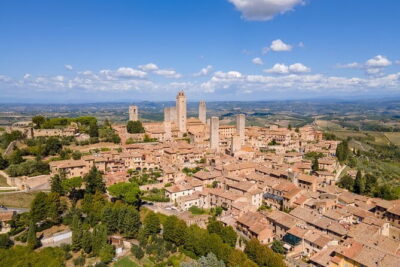
San Gimignano, Siena, Monteriggioni, Chianti Day Trip with Lunch & Wine Tasting
Read our review →
Pisa, Siena, S. Gimignano, Chianti Wine & Lunch
Read our review →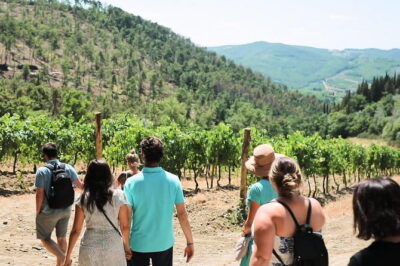

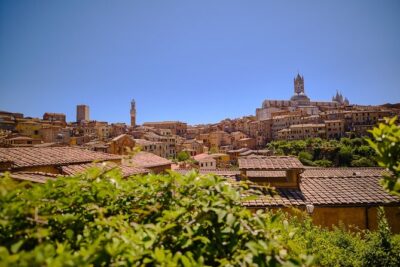
Siena, San Gimignano and Chianti Wines Day Tour from Florence
Read our review →
S. Gimignano, Siena, Chianti & Wine Tasting Lunch
Read our review →Browse the lists this tour appears in