
Reviewed · MUSEUMS
Florence: National Archeological Museum of Florence
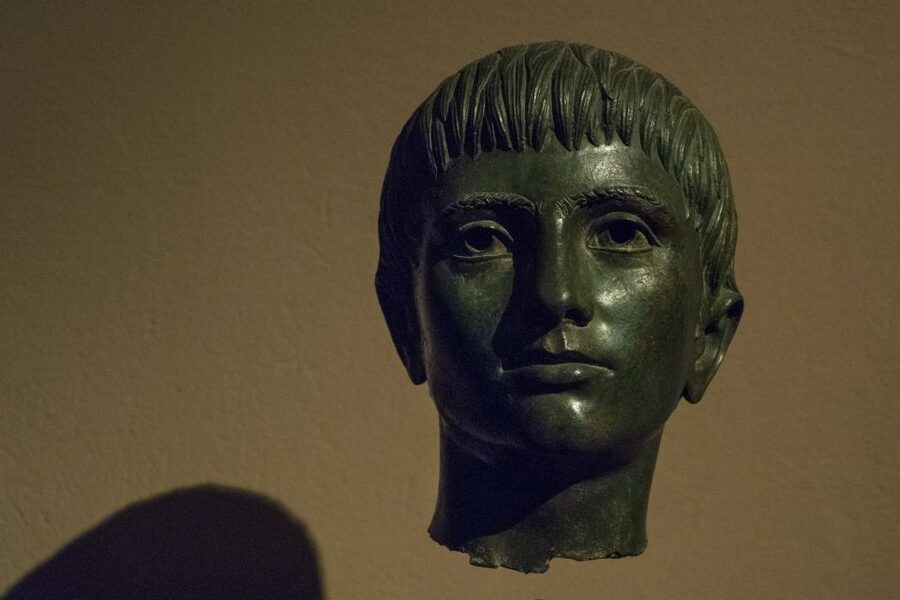
Florence has a knack for mixing eras in the same room, and this visit is a fast, focused way to experience that. You get a guided path through Etruscan, Greek, Roman, and Renaissance, and then Egyptian collections, all inside the National Archaeological Museum of Florence, one of the oldest Italian museums. I love that the tour ties objects to real stories, like the building’s history as the Crocetta convent where Maria Maddalena de Medici lived, and I also love the chance to see standout bronzes up close, including the famous Chimera. The one drawback to consider is time: 2 hours is great for highlights, but it is not enough for a slow, detailed self-guided wander of every room.
I especially liked how the museum stops are paced so you are not just looking at cases. The guide brings the collection to life with clear context, and the difference is noticeable in how calmly and confidently things click into place. In fact, one highlight from recent guests is how Dr. Stefania explained ancient Egypt and the Etruscans in a way that kept younger visitors genuinely engaged. If you want a museum day where you can linger, this might feel a bit brisk, but if you want the best parts efficiently, it is a strong fit.
Key Things I’d Prioritize on This 2-Hour Tour
- Crocetta convent backstory: You learn why the museum building matters before you even step into the galleries.
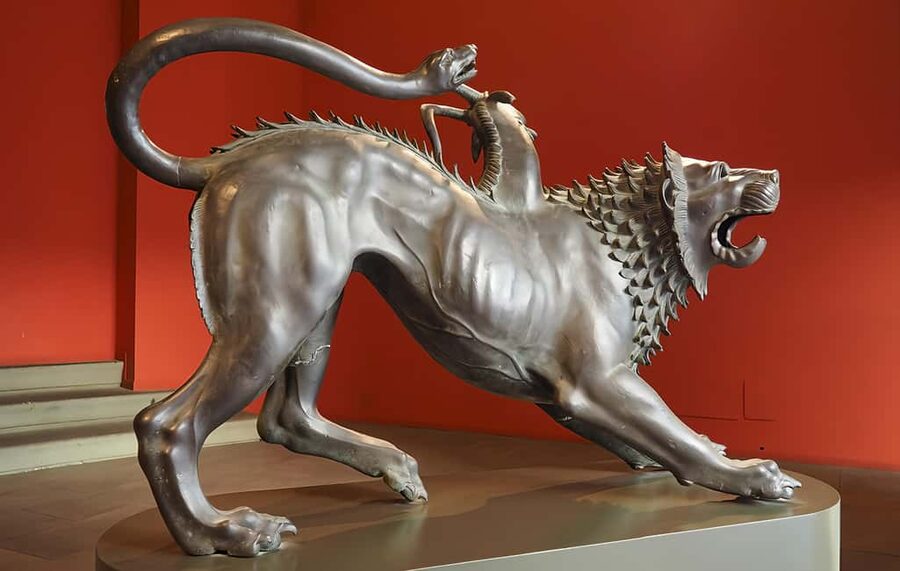
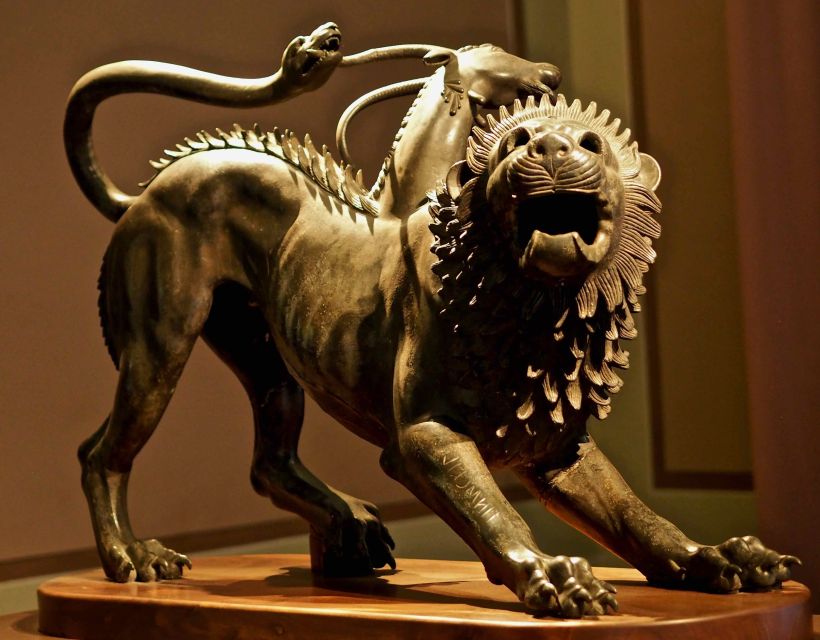
- Chimera bronze, restored by Benvenuto Cellini (1500): A major star you get help seeing properly.
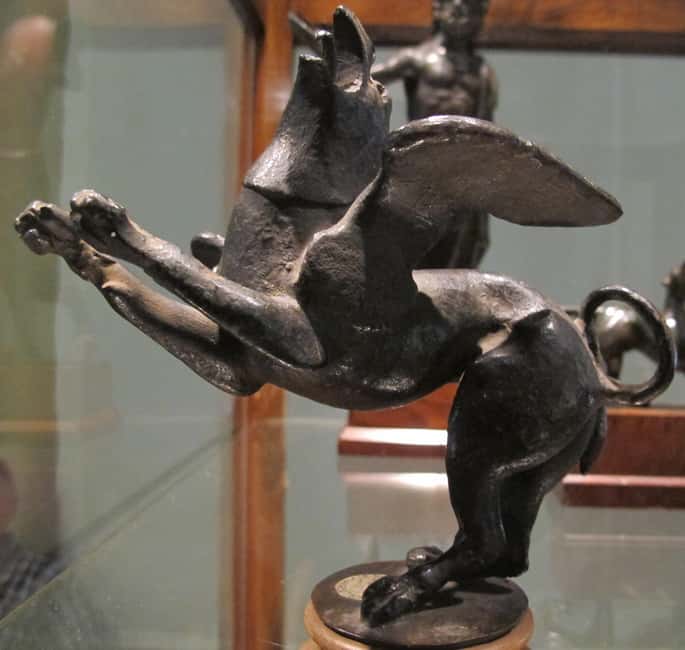
- Greek bronzes and the Torso of Livorno: Body, style, and restoration choices explained in context.
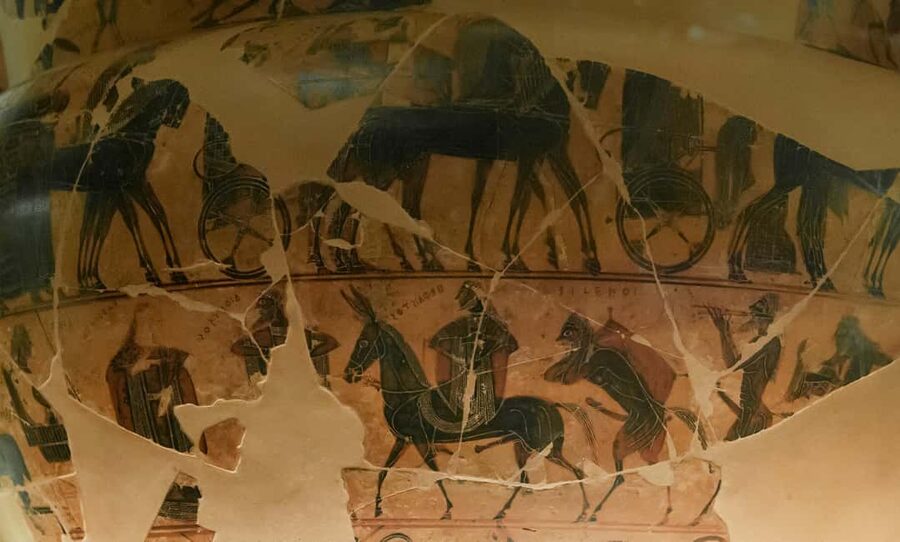
- The Francois Vase: Myth scenes on Greek ceramics, with a guided way to read what you are seeing.
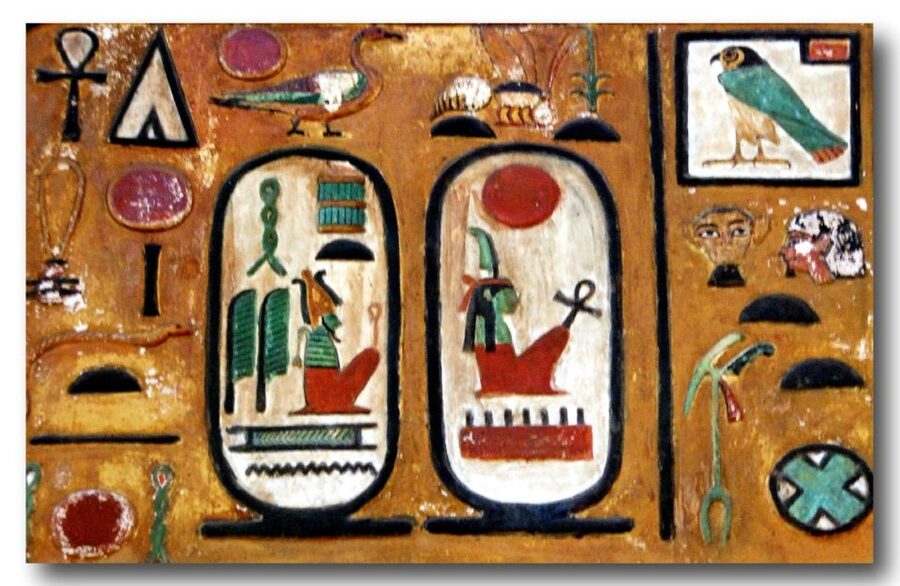
- Egyptian highlights with 14,000 artifacts: Steles, vases, ushabti, amulets, bronzes, plus the pull of mummies.
- Garden reconstruction of the Inghirami tomb (Volterra): You end with a place where objects were meant to rest.
Entering the Museo Archeologico Nazionale di Firenze: Fast Context First
This tour works because it starts by giving you the frame you need. You meet outside the museum at SS. Annunziata square, in front of Museo Archeologico Nazionale di Firenze (coordinates: 43.7766227722168, 11.261474609375). Then you spend about 15 minutes at Piazza della Santissima Annunziata, which is a short warm-up that helps you understand what you are about to enter.
Inside, the museum building itself becomes part of the lesson. This is not a generic museum space. It was once the convent of the Crocetta, and it is tied to Maria Maddalena de Medici. That matters because you start noticing details, not just displays. Even if you do not consider yourself a “museum person,” this background gives you something to grab onto.
If you are visiting Florence during a busy week, I also like that you have a guided structure. You do not have to decide which rooms to prioritize because the route is built around the most compelling stops.
More museum visits in Florence:
- Florence: Skip-The-Line Uffizi Gallery Timed Entry Ticket
★ 4.5 · 27,832 reviews - Florence: Leonardo Interactive Museum Entry Ticket
★ 4.5 · 11,763 reviews - Florence Accademia Gallery Tour with Entrance Ticket Included
★ 4.5 · 6,148 reviews
The Ground-Floor Stop: Etruscan Burial Goods and the Populonia-Vulci Connection
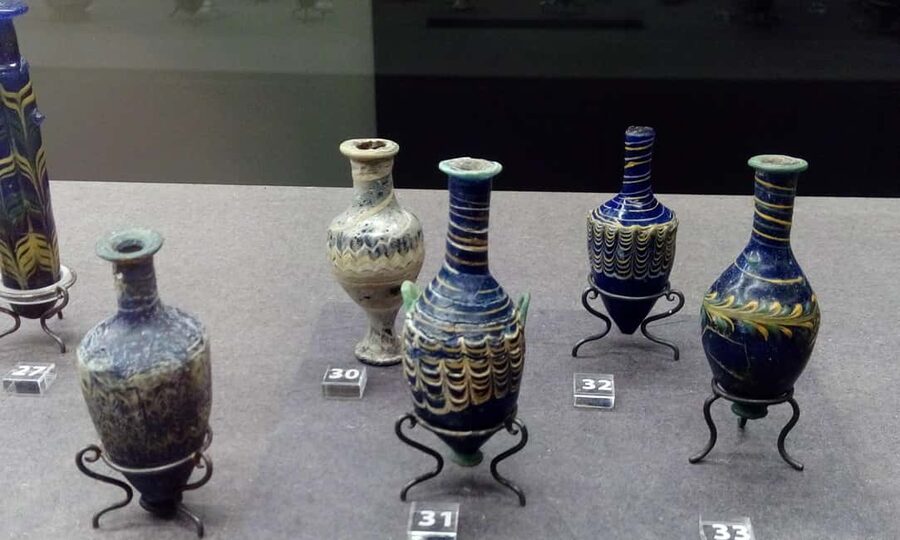
After the brief Piazza focus, the main museum visit begins at a steady pace of about 105 minutes inside the galleries. One of the best early moments is the attention to the Etruscan aristocracy. You get burial goods from the region between Populonia and Vulci, which turns “Etruscan artifacts” from a vague category into something more specific.
Why this section is valuable: burial items are not random objects. They are part of a belief system about status and life after death, and you can often spot that in the craftsmanship and the materials. In a guided visit, the guide’s job is to translate what you are seeing into why it existed. That is exactly where a good guide makes the difference.
The other practical plus is that you start with the Etruscans before the tour heads toward bronzes and then Egypt. Going in this order helps your brain stay organized. If you jump straight to the most famous name brands (Chimera, Egyptian mummies), you can end up feeling like you saw “cool stuff” but not really understanding how the pieces connect across cultures.
Chimera in Bronze: Benvenuto Cellini’s 1500 Restoration
If you only remember one object from this museum, make it the bronze Chimera on the first floor. It is presented as a major highlight because it is both visually striking and historically interesting. The key detail you get with a guide is restoration history, including the fact that the statue was restored in 1500 by Benvenuto Cellini.
That restoration note matters because it changes how you look at the bronze. You start to see the Chimera not only as an ancient work, but also as an object that has been cared for, repaired, and reinterpreted across centuries. It is one of those moments where you can feel Florence’s long relationship with art preservation.
When I visit museums, I like being told where to stand and what to focus on. A guided visit is useful here because this statue is not just about the overall silhouette. It is about shape, surface, and the sense that the bronze was built to command attention.
Greek, Roman, and Renaissance Bronzes: Torso of Livorno and Friends
Up on the second floor, the tour shifts toward Greek, Roman, and Renaissance bronze works. This is where you start to appreciate why bronzes can feel different from marble or painted surfaces. Bronze has a particular way of catching light, and the guides usually help you notice how details survive (or changed) over time.
The tour includes major references such as:
- Torso of Livorno
- Medici Riccardi horse head
- Idolino of Pesaro
A guided explanation helps because these names can feel like labels unless someone shows you what makes each one special. For example, torsos in art often represent a specific sculptural tradition, and horse heads can reflect a mix of power, realism, and style depending on the era. You do not need to be an art expert to get value here. You just need someone to point out how to look.
This section is also where the tour reminds you that the museum is not only ancient. Renaissance collectors and restorers are part of the story too. Florence has a way of carrying older cultures forward, and bronzes are a perfect example of that.
A different way to spend the day in Florence:
- Tuscany Day Trip from Florence: Siena, San Gimignano, Pisa and Lunch at a Winery
★ 5.0 · 21,634 reviews - Florence: Timed Entrance Ticket to Michelangelo’s David
★ 4.6 · 16,983 reviews - Florence: Michelangelo’s David Skip-the-Line Entry Ticket
★ 4.5 · 12,764 reviews - The Best tour in Florence: Renaissance & Medici Tales – guided by a STORYTELLER
★ 5.0 · 12,316 reviews
The Francois Vase: Learning to Read Myth on Greek Ceramics
If you want one stop that feels like a mini lesson in storytelling, it is the Francois Vase. The tour treats it as one of the most important finds in Greek art and it is included for good reason.
Here is the practical value of having a guide: the vase is not just impressive because it is old. It is impressive because it is packed with scenes. The guide helps you take a closer look and understand that the vase depicts mythical tales from Ancient Greece. With help, you start noticing patterns, repeated characters, and the way different scenes connect.
Without guidance, you might still enjoy the craftsmanship. With guidance, you can actually “read” parts of the story. That turns an object you might photograph and move past into something you remember.
Also, this is a great moment for photos, as long as you do not block others. The object is the kind that rewards a slow glance, and a guide helps you find what to zoom in on mentally.
The Egyptian Museum Section: 14,000 Artifacts and the Pull of the Mummies
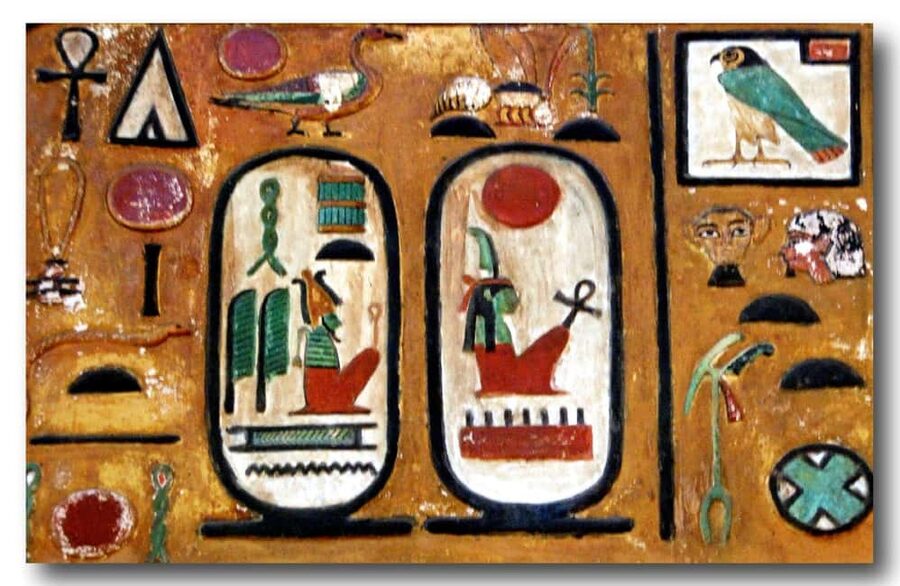
Then the tour pivots to Egypt, and this is where the scale changes. You are told you are looking at over 14,000 artifacts, which includes steles, vases, ushabti, amulets, and bronzes. That list is useful because it gives you a sense of variety. You are not stuck with one type of object.
One of the tour’s biggest draws is the inclusion of especially memorable pieces:
- Amenophis III statue
- A war chariot from the seventeenth dynasty
- Perfectly preserved mummies
Even if you have seen Egyptian artifacts elsewhere, the mix here is likely to feel different because you get both monumental and smaller objects in the same guided flow. A war chariot gives you a sense of history and power. Mummies bring the emotional weight of funerary culture. Amulets and ushabti shift you toward everyday beliefs and personal devotion.
I like that this section is presented as a coherent “system” rather than a random cabinet of wonders. You start understanding how artifacts worked together: objects you would place, objects you would carry, objects meant for protection, and objects meant for an afterlife.
And yes, Egypt can be a lot for one day. This tour helps by keeping you moving and making your stops meaningful.
Ending Outdoors: The Etruscan Tomb Reconstruction at Volterra
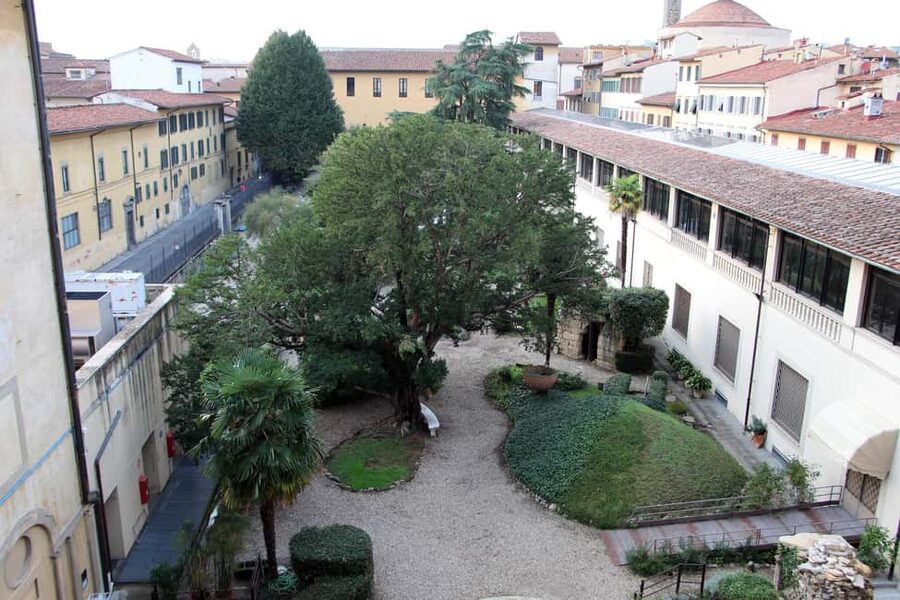
After the Egyptian Museum focus, the tour takes you into the garden. This part is not just a pleasant walk. It is a reconstruction with specific Etruscan ties, including the Inghirami tomb of Volterra.
The tour includes an important detail: the garden reconstruction contains the original alabaster urns that were placed there in old times. That means you are not just looking at a modern display version. You are seeing an arrangement designed to represent how these objects were meant to rest.
Why this ending works: after two floors of artifacts and names, you need a change of rhythm. The garden stop gives your brain a visual “reset,” and it also helps you connect burial goods back to their original purpose.
It is also a smart finish if you are traveling with kids. Young visitors often remember the tomb reconstruction more than the small text labels, and the guided context helps them connect it to what they saw inside.
How the Guided Structure Helps You Actually Learn Something
One of the strongest messages from the experience is that the guide matters. Recent feedback highlights guides who are patient and precise, and the example of Dr. Stefania comes up with particular warmth, especially for families with teens and younger kids. That is not a small detail. In a museum with thousands of objects, the difference between a confusing visit and a satisfying one is how someone organizes your attention.
In this tour, the guide does that by:
- choosing the key objects you can realistically see in 2 hours
- explaining restoration history and cultural meaning, not just dates
- keeping the flow across Etruscans, Greek and Roman bronzes, and Egypt
This is a tour designed for learning, not just sightseeing. If you like museums where you leave with a clearer picture, it fits.
Private Group Comfort and Language Options
This is a private group tour, and that is a practical advantage. You are not squeezed into a big crowd. You can ask follow-up questions and you can move at a pace that works for your group.
It is also available in multiple languages, including English, Italian, Spanish, German, and French, and it has a live guide. That matters in a museum setting because object descriptions can get technical fast. A guide who can explain with clarity helps you keep up without feeling lost.
The tour is also wheelchair accessible, which is a major plus if mobility is a concern. The data does not spell out the exact route-by-route terrain, so I cannot promise every surface is identical, but wheelchair accessibility is explicitly stated.
Timing Reality: What You Will See, and What You Might Miss
The tour is 2 hours total, with about 15 minutes at the Piazza and then about 105 minutes in the museum. That time split is realistic, and it is also a hint about tradeoffs.
You will see major highlights like the Chimera, famous bronzes including the Torso of Livorno, the Francois Vase, Egyptian highlights including Amenophis III and the mummies, and the Volterra tomb reconstruction in the garden. You will not, however, have time to read every label in every room or take a slow circuit through the entire Egyptian collection.
So I recommend this tour if you:
- want the best “hit list” version of a big museum
- enjoy guided object storytelling
- like the idea of seeing Egypt and classical bronzes in one visit
If you want a long, self-paced day, you might do better pairing this with extra independent time afterward.
Practical Tips Before You Go
A few real-world tips that make a guided museum tour smoother:
- Wear comfortable shoes. Museums involve standing and moving between floors.
- Take a small notebook or use your phone notes for names you want to research later, like Benvenuto Cellini and Amenophis III.
- If you have children or teens, lean into the guide’s explanations. The tour’s style is built for making connections, not just listing facts.
- If you like photos, aim for the big focal objects, like the Chimera and the Francois Vase, then give your eyes a break so you do not spend the whole time photographing.
Should You Book This National Archaeological Museum Tour?
Yes, I think it is a smart booking for most people visiting Florence for a short stay. The main reason is value of focus: in 2 hours, you get Etruscan burial goods, major bronze stars, a Greek myth story lesson through the Francois Vase, and Egyptian highlights with mummies and the Amenophis III statue, then you finish in the garden with the Volterra tomb reconstruction.
Book it especially if you want:
- a guide-led experience where you learn how to look
- a private setup that keeps things calm
- a structured route that prevents museum decision fatigue
Skip it only if you know you want a long, slow museum day where you roam room to room. This is a highlights-and-context tour, not a full museum marathon.
FAQ
Where is the meeting point for the tour?
Meet your guide in front of Museo Archeologico Nazionale di Firenze at SS. Annunziata square. The provided coordinates are 43.7766227722168, 11.261474609375.
How long is the National Archaeological Museum of Florence tour?
The tour duration is 2 hours.
Is there a skip-the-line option?
Yes. This experience includes skip the ticket line.
What languages is the live guide available in?
The live tour guide is available in English, Italian, Spanish, German, and French.
Is the tour wheelchair accessible?
Yes, the experience is listed as wheelchair accessible.
Is this tour a private group?
Yes, it is a private group experience.
What is the cancellation policy, and is reserve and pay later available?
You can cancel up to 24 hours in advance for a full refund. You can also reserve now and pay later, which lets you keep plans flexible and pay nothing today.
Just reviewed around Florence
- Tuscany: Leonardo da Vinci – Oil and Wine Discovery Tour★ 4.8 · 5 reviews
- Livorno Port, Pisa, Florence: Full-Day Shore Excursion★ 4.8 · 51 reviews
- Legends of Florence: Exclusive Walking Tour by night★ 4.9 · 70 reviews
- Leather and Passion: A Tour of Florentine Craftsmanship★ 5.0 · 16 reviews
- Illuminated Florence Tour for Kids with Gelato & Pizza★ 5.0 · 6 reviews
- Inferno Florence Private 3-Hour Tour★ 4.8 · 20 reviews
- Hidden Florence: 2-Hour Guided Walking Tour★ 4.7 · 36 reviews
- 3-Hour Historic WhoDunIt Tour in Florence★ 3.2 · 6 reviews
Museums, compared.

Skip-The-Line Uffizi Gallery Timed Entry Ticket
Read our review →
Florence Accademia Gallery Tour with Entrance Ticket Included
Read our review →

Accademia Gallery Guided Tour with Entry Ticket
Read our review →
Golf Cart Tour to Fiesole Roman Theatre and Museum
Read our review →
Uffizi Gallery and Accademia Gallery Guided Tour
Read our review →Browse the lists this tour appears in