
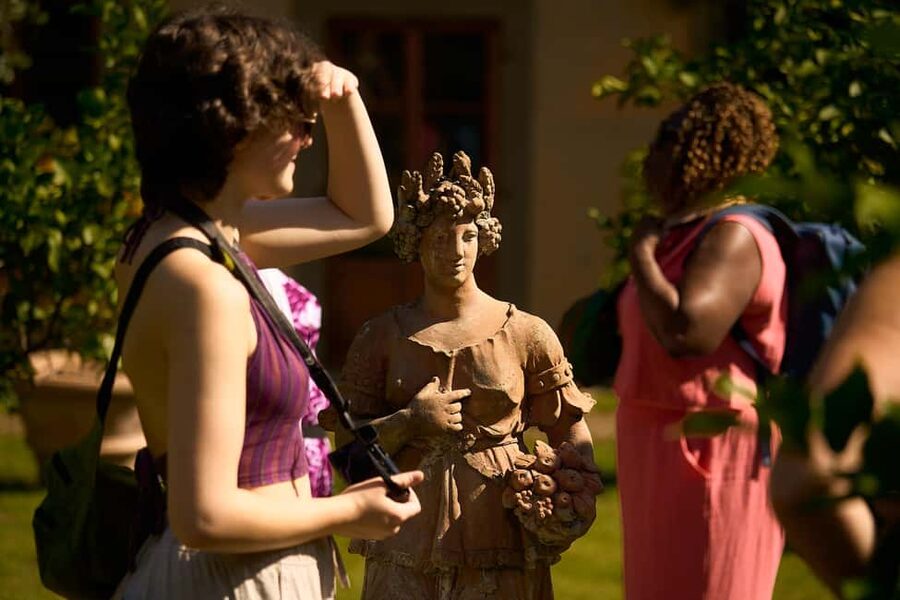
Reviewed · CHIANTI WINE TOURS
From Florence: Small Group Chianti Wine Tour with Lunch
Chianti Classico is the kind of trip that makes the word taste feel serious. You leave Florence, ride through the vineyards in a Mercedes minivan, and then you spend the day in three different winery settings learning how to read wine with your senses. I love the small group size (up to 8), and I really like that this is sommelier-guided, so you get practical wine skills, not just a toast and a sip.
One consideration: it is a tasting-focused day, so if you want lots of free time to wander without stopping, you may feel there is a bit less slack than on a slower, countryside-only excursion.
Key moments you should care about
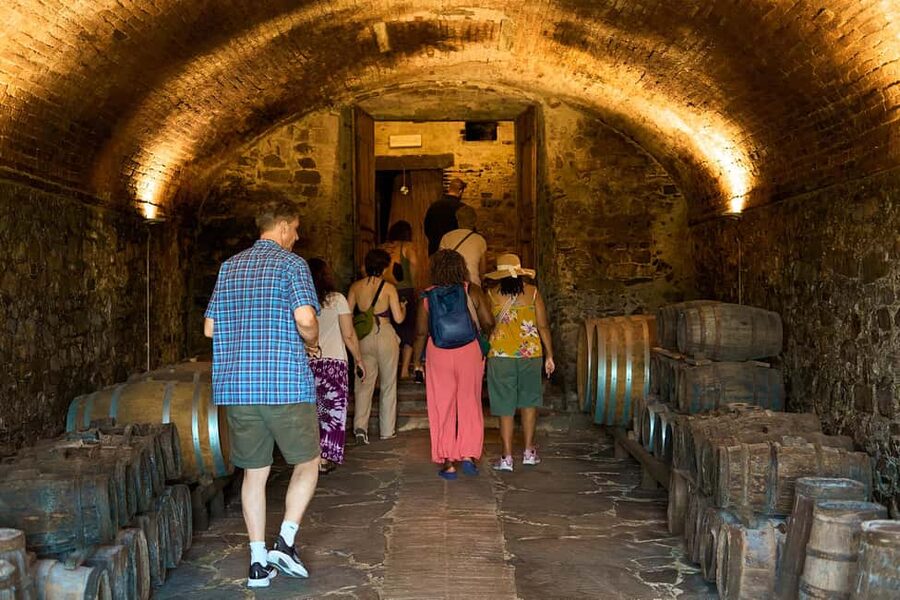
- 3 winery stops in Chianti Classico with cellar and vineyard visits
- Sommelier-led tastings designed to teach you acidity, aromas, and flavors
- A real Tuscan lunch paired into the day’s wine education
- Greve in Chianti for a photo stop and a guided village moment
- Built-in food and olive oil tastings that show why Chianti works with Tuscan cooking
- Mercedes minivan comfort with Wi-Fi, plus views on the drive out of Florence
Why Chianti Classico feels like more than a wine day
If you have ever wondered why wine people get so excited about the smell of a glass, this tour is aimed right at that. The goal is not just to drink well. It is to help you notice what changes from one winery to the next, and why those differences matter.
You’ll start in Florence and move into the Chianti hills area with a driver and a guide who talk as you go. Along the way, you get scenic vineyard views from the road, then you shift into a cellar and tasting rhythm. That pacing is useful. It turns the day into a series of small lessons, where each stop builds on the last one.
I also like the way the day mixes styles of places. You are not only visiting one kind of estate. You go from a modern, contemporary cellar setting to a site tied to a 13th-century castle atmosphere, then to a boutique winery with a gourmet Tuscan spread.
More Chianti wine trips from Florence:
- Florence: Pisa, Siena, San Gimignano, and Chianti Experience
★ 4.5 · 8,393 reviews - Florence: Chianti Wineries Tour with Wine Tasting
★ 4.5 · 8,301 reviews - San Gimignano, Siena, Monteriggioni, Chianti Day Trip with Lunch & Wine Tasting
★ 4.5 · 4,432 reviews
Meet at Piazza Mentana, then roll out in a Mercedes minivan
Your morning begins at Piazza Mentana in Florence, at Via dei Vagellai 22 red, the corner with Piazza Mentana opposite the Arno River. The pickup point matters more than people think, especially in Florence where directions can turn into a puzzle fast. This one is clear and easy to locate if you anchor yourself to the Arno side of the city center.
The ride is on a comfortable Mercedes minivan, and you get free Wi-Fi onboard. That sounds minor, but it makes the long day feel more manageable, especially if you want to plan your next stop after lunch or just keep your phone charged and ready for photos.
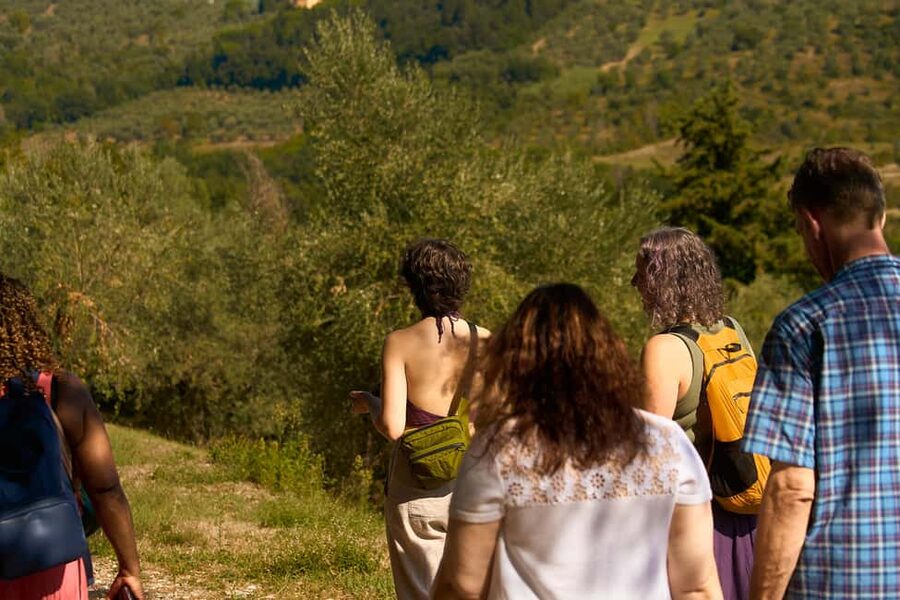
The drive itself is part of the experience. You pass by the Chianti Hills with scenic views, which helps you understand where this wine comes from. Even if you already know Tuscany basics, you will see why the hills and vineyards shape everything that follows.
Stop One: contemporary cellars and a major producer’s philosophy
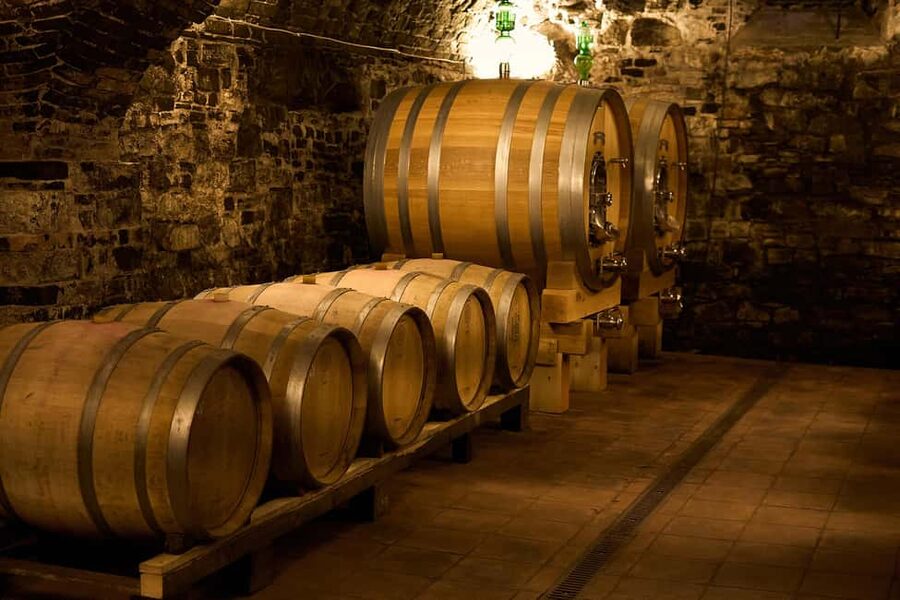
The first winery stop is centered on a modern wow factor: contemporary cellars with a design described as built in harmony with the surrounding area. You’ll tour the cellars and then taste wines from one of Italy’s major wine producers, with a focus on the producer’s philosophy and vision for the future.
This is a smart first choice. It gives you a baseline for how today’s Chianti Classico production works, and it frames the day around technique. A sommelier guide explains methods of wine production and connects them to conditions like soil and local climate factors. You are not just hearing abstract words. You are being taught how to connect the place and the process to what ends up in your glass.
What to pay attention to at this stop
- The guide’s explanation of production methods and how conditions affect the final wine
- The way the tasting is guided to help you recognize acidity, aromas, scents, and flavors
- Any included tastings that go beyond standard labels, since the tour includes Super Tuscans among its pours
A small note: because this stop leans modern and educational, it is a good moment to ask your first questions. By the time you are sitting in a tasting room, the guide has already given you the words to make your questions easier.
Greve in Chianti: photo stop, village walking, and quick culture
Between wineries, you head to Greve in Chianti for a photo stop and a sightseeing moment in the town. You’ll see Greve as an iconic Tuscan village, and you get that quick hit of real local life: squares, small shops, and the feeling of a place built around food and wine.
Even though this is not a long wandering session, it is valuable. The tastings can start to blur if the whole day is only cellars. Greve gives your eyes a reset and gives your brain a break. It also helps you ground the wine lesson in the human scale of the region.
Practical tip: wear comfortable shoes. You’ll be walking in Greve, and you do not want sore feet when the next tasting and lunch are still ahead.
More day trips out of Florence:
- Tuscany Day Trip from Florence: Siena, San Gimignano, Pisa and Lunch at a Winery
★ 5.0 · 21,634 reviews - Florence: Pisa, Siena and San Gimignano Day Trip with Lunch
★ 4.6 · 9,771 reviews - Cinque Terre Day Trip with Optional Hiking or Pisa
★ 5.0 · 8,486 reviews - Pisa, Siena and San Gimignano Day Trip with Lunch & Wine Pairing
★ 4.5 · 6,006 reviews
Stop Two: castle towers, olive groves, and a second tasting rhythm
The second estate is described as stunning, with massive towers from a 13th-century castle nearby, surrounded by olive groves and vineyards. That setting is more than decoration. When a winery is tied to this kind of old-world architecture, the tasting often feels like part of a long timeline.
After admiring the site and touring the cellars, you taste wines there as well. The tour keeps you in learning mode, so you’re not just sampling. You are guided to understand what you are sensing and how to describe it, including how acidity and aromas can differ depending on the wine.
This stop is also where the day becomes a true comparison. Your senses are no longer meeting wine for the first time. They are trying to tell you what changes between the first producer style and this second estate’s character.
Stop Three: a boutique winery with gourmet Tuscan lunch and more tastings
The third stop shifts to a boutique winery. This part of the day is about comfort and tradition, and it includes both wine service and a gourmet spread with typical Tuscan food.
You’ll get a guided experience that wraps food into the wine lesson. Along with the tastings, you’ll see more of the pairing logic. The guide helps you connect what you like to what works with it, including which wines pair best with your favorite foods.
Lunch here is one of the highlights for a reason. It is not only delicious food. It is also a hands-on teaching moment. You can taste, pause, eat, and then taste again with a better understanding of how flavors interact.
Some lunch details shared for this kind of stop include cured meats and cheeses paired with a glass of white wine to start, pasta paired with a glass of red for the main, and then a lemon sorbet to finish. Your exact menu can vary by the day’s service, but the structure described is very consistent with a Tuscan pairing-first approach.
Also included with the food
- Olive oil and typical product tasting during the overall day
- Typical Tuscan lunch served at the third winery stop
Chianti vs Chianti Classico: the lesson you’ll remember in your next bar order
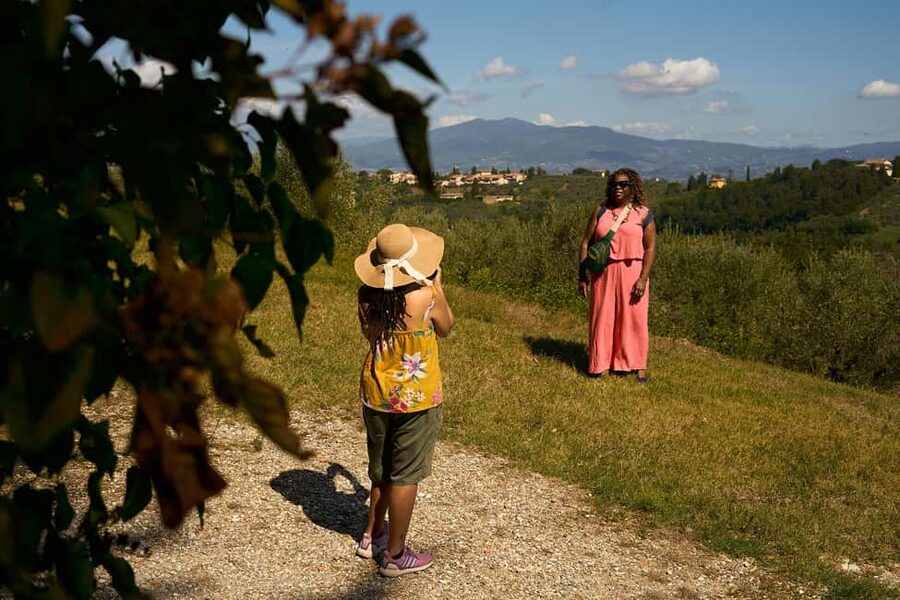
One of the most useful parts of the tour is the explanation of the difference between “Chianti” wines and Chianti Classico. If you usually shop wine by label color or grape name alone, this section gives you a bigger framework.
The guide teaches you how to distinguish wines by how they smell and taste, including acidity and the specific aromas, scents, and flavors you notice. That is not just trivia. It helps you build a personal vocabulary for what you like, and then you can use it later when you’re buying a bottle at a shop back in Florence or at home.
I also like that the guide connects learning to real choices. You’re not stuck memorizing. You’re being trained to think, What am I tasting? What does it pair with? Why does it taste that way?
The sommelier effect: why the guide matters as much as the wineries
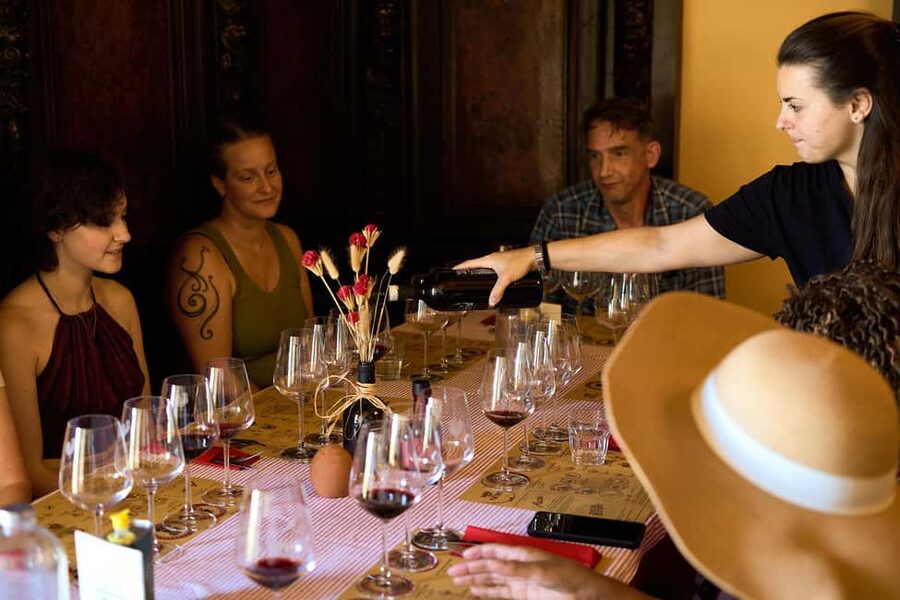
This tour is guided by a sommelier, and the difference shows up fast. The best guides do two things: they explain clearly, and they help you taste with purpose. That’s exactly the tone described by guides such as Carlotta, Grace, Christina, Grazia, Gabriele, Antonella, Antonetta, Brando, Eleanora, and Lapo, where the emphasis is on wine knowledge plus patient, question-friendly pacing.
In practical terms, this means you can ask about what you are noticing in your glass and get an answer that helps you taste better on the spot. You also get guidance on recognizing wine traits instead of relying on a single favorite flavor note.
You should expect the guide to talk about:
- how wines are made in the region
- what rich soil and local conditions contribute to the wine
- how to describe and compare tastings using acidity and aroma cues
- which wines pair best with your favorite foods
That last point is what makes the day useful after you get home. You leave with a method, not just memories.
Super Tuscans, olive oil, and tasting beyond wine
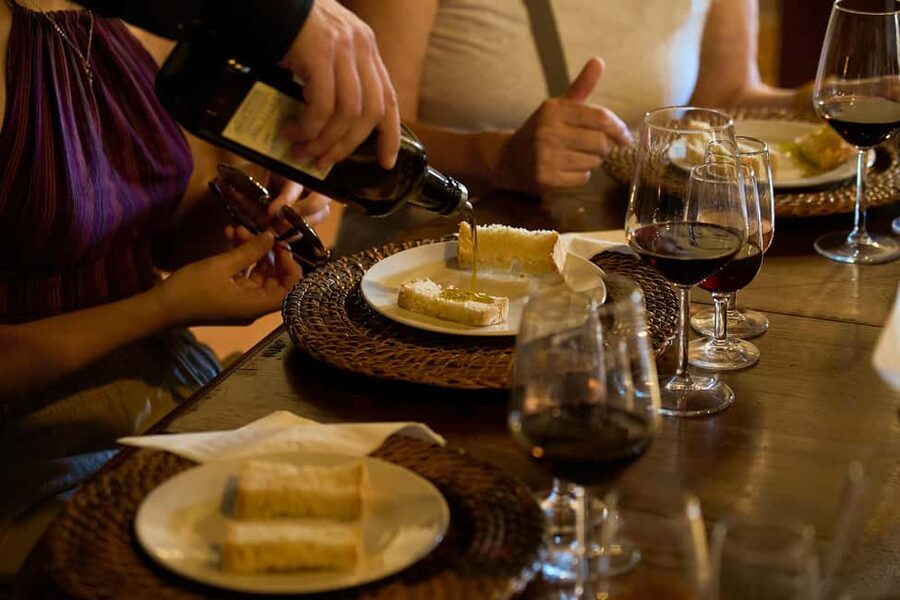
A lot of wine tours feel like wine plus filler. This one tries to keep the education connected to the wider Tuscan food culture.
The tour includes wine tastings at each winery and includes Super Tuscans among the wines served. It also includes olive oil and a typical product tasting. That matters, because olive oil is one of those flavors that can sharpen how you taste everything else. It also helps you understand why Tuscan meals have such a strong flavor logic: salt, fat, acidity, and herbs all show up in a coordinated way.
If you want a day that tastes like Tuscany, this food and oil component is a big part of that.
Price and value: is $237 a fair deal for 6.5 hours?
At $237 per person for a 6.5-hour small-group tour, you are paying for more than transportation and a few sips. You’re paying for:
- roundtrip transport from central Florence by Mercedes minivan with free Wi-Fi
- guided cellar and vineyard visits at three wineries
- three wine tastings, including Super Tuscans
- olive oil and typical product tasting
- typical Tuscan lunch
- a guided visit connected to an iconic Tuscan village (Greve)
In value terms, it adds up because the day is structured. You are not spending half the time driving and waiting. You are moving through three distinct settings and getting tastings plus guided education tied to food.
The main cost consideration is time. Six and a half hours sounds short on paper, but it is full. If your vacation style is slow wandering with lots of autonomy, you might feel the schedule runs tight. If you like a guided day with tasting lessons, this price tends to feel in line.
Timing, small-group pace, and who this is best for
This is a small group tour limited to 8 participants, in English. That size changes the feel immediately. You get more attention, and the guide can slow down when you ask questions. You also get a more relaxed social tone, since the van does not turn into a lecture hall.
The itinerary is winery-heavy, with Greve in between as a breath. The pace is moderate, meaning you will not be sprinting across the countryside, but you also will not have long empty stretches to roam on your own.
This tour fits best if you:
- want wine education you can use later, not just a scenic drive
- enjoy comparing different wineries and styles in one day
- like Tuscan lunch as part of the experience, not an afterthought
- prefer a Mercedes comfort setup over cramped group buses
It might be less ideal if you want a Tuscany day built around long hikes, beach time, or lots of unscheduled exploration.
Practical notes before you go
- Alcohol rules apply in Italy, so under 18 participants will be served non-alcoholic beverages.
- Bring a light layer. Cellars can feel cool, even on warm days.
- Keep a camera ready, especially for the Greve photo stop and the castle-tower winery setting.
And if you care about getting the most from tastings, do one simple thing: go in ready to smell first, then sip. The guide will help you name what you’re noticing.
Should you book the Small Group Chianti Wine Tour with Lunch?
I think you should book this tour if you want a guided, high-value Chianti Classico day with three wineries, three tastings, olive oil plus Tuscan lunch, and a real sommelier-led method for tasting. The small group size helps, and the mix of modern cellar, castle-tower estate, and boutique winery makes the day feel varied, not repetitive.
Skip it only if you strongly prefer free time over a structured schedule. Otherwise, this is one of the cleaner ways to turn a Florence visit into a Tuscany wine education you can actually carry home.
FAQ
Where does the tour start in Florence?
The meeting point is Piazza Mentana, Via dei Vagellai 22 red, corner with Piazza Mentana, opposite the Arno River.
How long is the Chianti tour?
The duration is 6.5 hours.
What is the group size?
It is a small group limited to 8 participants.
Is the tour guide available in English?
Yes, the tour guide provides live guidance in English.
What is included besides wine tastings?
Roundtrip transportation from Florence by Mercedes minivan is included, along with free Wi-Fi, guided visits of wineries and their cellars and vineyards, olive oil and typical product tasting, a guided village visit in Greve, and a typical Tuscan lunch.
Do minors get wine tastings?
Italian law prohibits the sale of alcoholic beverages to anyone under 18. Children under 18 will be served non-alcoholic beverages.
How much does the tour cost, and can I cancel?
The price is $237 per person. Free cancellation is available up to 24 hours in advance for a full refund, and you can reserve now and pay later.
More Wine Experiences around Florence
- Florence: Pasta Cooking Class with Unlimited Wine
★ 4.9 · 10,285 reviews - Small-Group Wine Tasting Experience in the Tuscan Countryside
★ 5.0 · 7,392 reviews - Florence: Pasta & Tiramisu Cooking Class with Unlimited Wine
★ 4.9 · 6,708 reviews - Florence: Pasta Cooking Class with Unlimited Wine
★ 5.0 · 6,413 reviews
Just reviewed around Florence
- Tuscany: Leonardo da Vinci – Oil and Wine Discovery Tour★ 4.8 · 5 reviews
- Livorno Port, Pisa, Florence: Full-Day Shore Excursion★ 4.8 · 51 reviews
- Legends of Florence: Exclusive Walking Tour by night★ 4.9 · 70 reviews
- Leather and Passion: A Tour of Florentine Craftsmanship★ 5.0 · 16 reviews
- Illuminated Florence Tour for Kids with Gelato & Pizza★ 5.0 · 6 reviews
- Inferno Florence Private 3-Hour Tour★ 4.8 · 20 reviews
- Hidden Florence: 2-Hour Guided Walking Tour★ 4.7 · 36 reviews
- 3-Hour Historic WhoDunIt Tour in Florence★ 3.2 · 6 reviews
Chianti Wine Tours, compared.
Pisa, Siena, San Gimignano, and Chianti Experience
Read our review →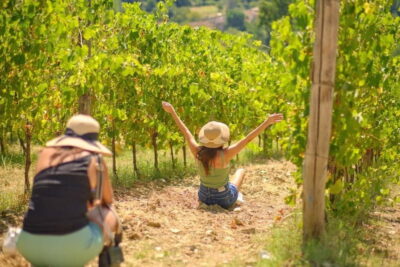
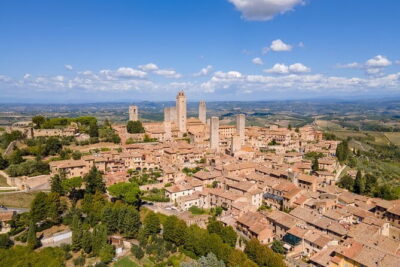
San Gimignano, Siena, Monteriggioni, Chianti Day Trip with Lunch & Wine Tasting
Read our review →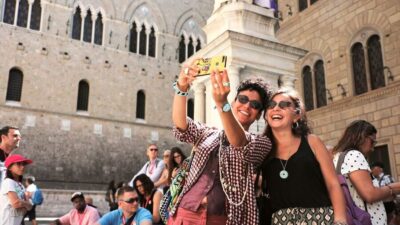
Pisa, Siena, S. Gimignano, Chianti Wine & Lunch
Read our review →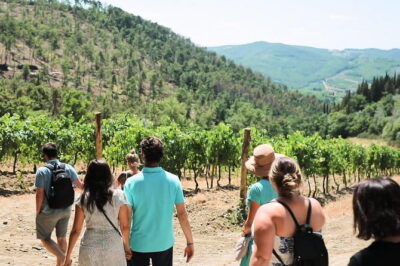
Siena, San Gimignano and Chianti Wines Day Tour from Florence
Read our review →
S. Gimignano, Siena, Chianti & Wine Tasting Lunch
Read our review →Browse the lists this tour appears in