
Reviewed · CHIANTI WINE TOURS
Chianti – Pizza and Tiramisu Course for Only Small Groups
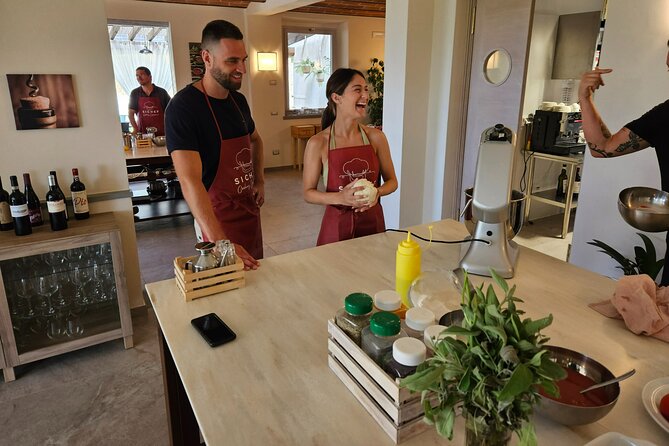
This Chianti cooking class is interesting because it combines two Italian favorites in one relaxed session, in a small-group setup with Chef Julio. I love how hands-on it is, from shaping the pizza dough to assembling tiramisu, and I also like that you get to sit down and sample what you make with beer or wine instead of just leaving with a recipe. One consideration, based on how the class can run, is that you may take turns during prep, so you will not always have total solo control of every step.
You’ll learn in a villa setting out in the Chianti hills, which helps it feel more like a friendly day out than a rushed cooking demo. I also appreciate the practical flexibility around food needs, since the course offers vegetarian, vegan, gluten-free, and/or lactose-free options on request and uses local, fresh, seasonal ingredients.
Key things I’d plan around in this Chianti class
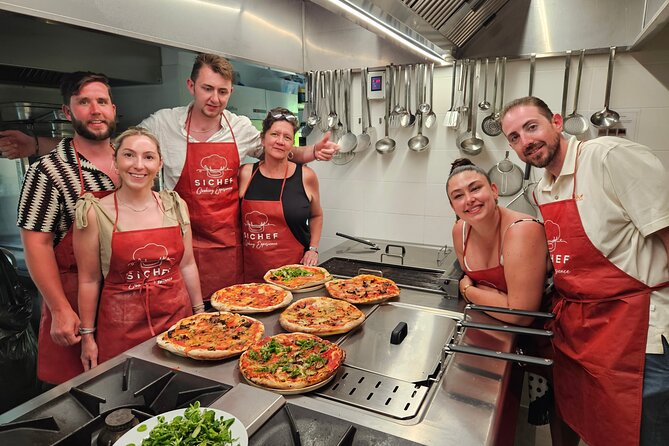
- Chef Julio’s step-by-step vibe: The instruction is described as clear and friendly, with a sense of humor.
- Two recipes, one session: You’ll work on both pizza and tiramisu rather than splitting them into separate classes.
- Small-group size: Maximum 12 travelers means you should get more personal attention than in a crowd.
- Food on the table at the end: Your pizza and tiramisu are part of the experience, not just the homework.
- Dietary requests are supported: Vegetarian, vegan, gluten-free, and lactose-free options are available if you ask.
A 3-Hour Chianti Pizza and Tiramisu Class That Feels Personal
This is a Chianti cooking class built for small groups, and that detail matters. With a maximum of 12 people, the pace tends to stay calm, and you are not stuck waiting forever for your turn at the counter. The tone from the class experience itself is also warm, especially with Chef Julio, who people describe as friendly and funny.
At $141.95 per person for about 3 hours, you are paying for more than “watching cooking.” You’re paying for an instructor, the ingredients, guided technique, and a meal-like payoff when you eat what you made. If you like learning by doing, this price can feel reasonable for the format.
One more practical plus: the class ends back at the meeting point, so you are not dealing with a complicated drop-off plan. And because recipes are provided after class, you leave with something you can actually recreate at home.
More Chianti wine trips from Florence:
- Cooking Class on a Family Farm in Chianti with Lunch
★ 5.0 · 165 reviews - Tour and Tasting at an Organic Winery in the Heart of Chianti Classico Area
★ 5.0 · 132 reviews - Greve in Chianti Wine Tasting and Winery Tour
★ 4.5 · 119 reviews
Where the experience starts, and how the small-group limit helps
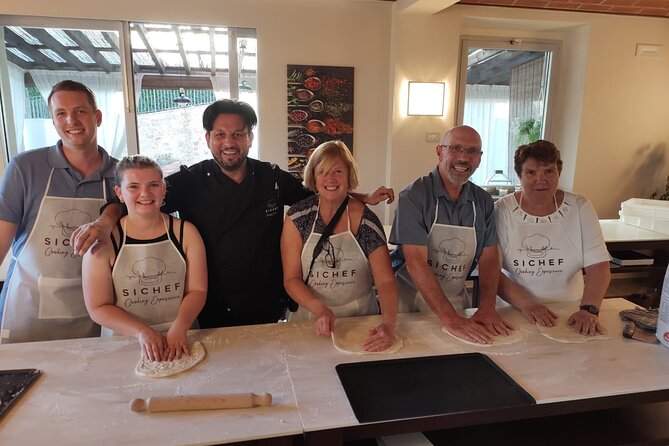
You begin at Str. Spoiano, 1, 50028 Barberino Tavarnelle FI, Italy. The experience ends back at that same meeting point, which keeps your day easy to schedule.
English instruction is provided, and you get a mobile ticket. That’s handy if you like to travel light and avoid juggling paper confirmations.
The big “value multiplier” here is the small-group size. When a cooking class caps at 12, it is easier for the chef to notice if someone’s dough is too sticky, or if your tiramisu assembly is going off the rails. Just keep one expectation in mind: some classes with small groups still run as rotations, so not everyone always gets to perform every single step at their own bench.
Making pizza in Chianti: dough kneading and topping choices
The heart of the class is learning the process for pizza dough first, then moving into toppings. You start with kneading and basic handling, which is the part that makes homemade pizza feel like real cooking instead of just assembling food. The instruction focuses on fool-proof techniques, so even if you’ve never kneaded before, you can follow along and get to the point where your dough behaves the way it should.
Then comes the topping decision, which is where the class turns from “skill” into “taste.” You’re not just picking ingredients at random. You are making choices that match the style of the pizza you’re aiming for, and you’ll get to sample what you created when it is time to eat.
A small expectation check (based on how classes can run)
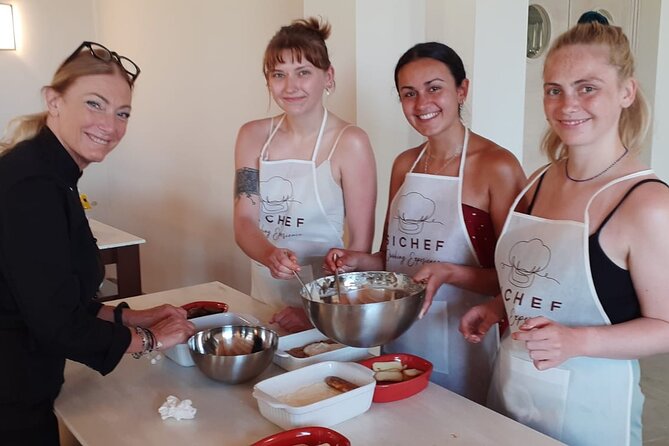
If you are the type who wants to do every step yourself, read this carefully. In one group experience, people noted that the class had everyone taking turns making the pizza dough and tiramisu, and some prep was handled collectively (like shared containers). That can mean you are standing and watching at times, and it may not feel like you are guaranteed a totally separate batch that you can fully identify with your own hands.
This doesn’t mean the class isn’t good. It just means you might want to arrive ready to learn, share, and adapt, rather than expecting a private, one-to-one production line.
A different way to spend the day in Chianti:
- Montefioralle Winery – Tour and Wine Tasting in Chianti
★ 4.5 · 92 reviews - Olive Oil Tours and Tasting at Frantoio di Montalcino
★ 5.0 · 85 reviews - Livorno Shore Excursion: Chianti and Tuscany Countryside Private Wine Tour
★ 5.0 · 56 reviews - Winery tour & wine tasting in Montalcino
★ 4.5 · 41 reviews
Tiramisu workshop: Pavesini, mascarpone, coffee, and bitter cocoa
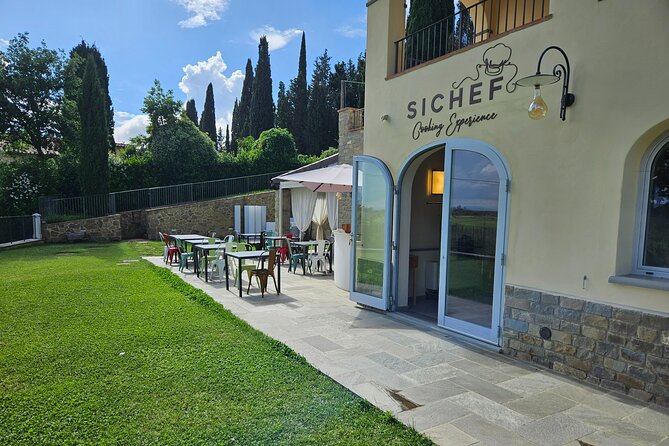
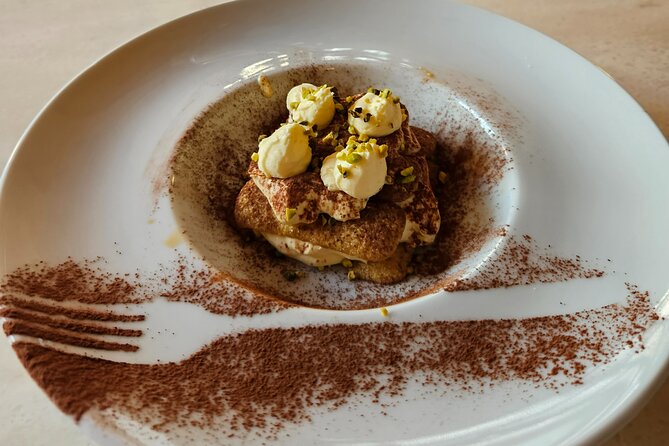
After pizza, you switch gears to tiramisu, and the structure is very clear: you compose the simple ingredients into a dessert that feels classic and specific. You work with eggs, sugar, mascarpone, bitter cocoa, coffee, and Pavesini. That ingredient list matters because it explains the logic of the dessert.
You are not guessing where flavor comes from. Coffee gives the bite, mascarpone brings the creamy texture, and bitter cocoa adds contrast at the end. Pavesini also matters here, since it helps shape how the dessert sets and how each forkful holds together.
What you gain beyond ingredients
I like classes that teach the “why” behind assembly, because that is what lets you cook at home later. In this format, the tiramisu step is described as composing ingredients into a delicious, unique dessert for its flavor and using an authentic recipe. Then, once it is built, you finally enjoy it as part of the meal.
And since recipes are provided after class, you’re not stuck trying to remember proportions from memory. That is especially helpful for tiramisu, where timing and layering are where small mistakes show up.
The Chianti villa setting, and why it changes the cooking lesson
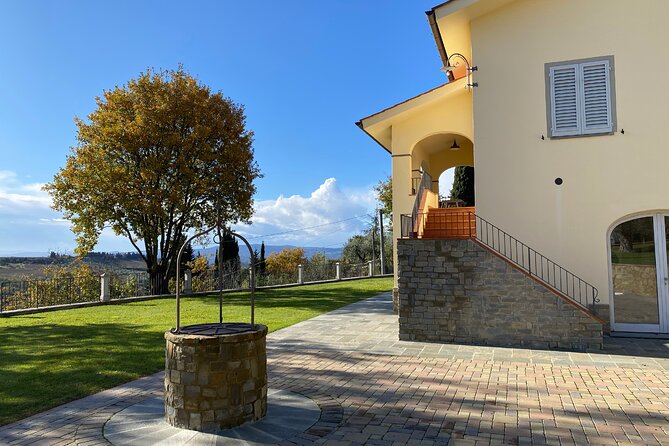
The class happens in a villa in the Chianti hills. That setting is not just for photos. It shifts the feel of the day.
Instead of a city kitchen with tight timing and loud logistics, you get the sense of a relaxed atmosphere where the chef can explain technique without rushing you. Even the way the class is described as a day of play, cooking, and laughter points to how the instructors run it: calm, friendly, and focused on helping you succeed.
One person also described the venue as beautiful with amazing views and noted that it was super clean. That kind of clean, orderly kitchen space makes a difference when you are learning dough work and careful dessert assembly.
What you eat, and what comes with it
Your sample menu is straightforward: pizza as the main dish and tiramisu for dessert. After you prepare, you sample what you made over lunch or dinner afterwards. Pizza is accompanied by beer or wine, which turns this into more of a shared meal experience than a snack-only demo.
If you like food experiences where you actually taste the results, this is a strong match. If you’re hoping for a full multi-course Tuscan feast, you might find the structure more “class plus meal” than “grand dinner program.” But for the goal of learning two recipes, it hits the mark.
Dietary needs: how flexible is this class really?
This part is one of the most practical reasons to consider booking. Your dietary needs are not a problem for this course, and it is said to support vegetarian, vegan, gluten-free, and/or lactose-free options on request. The course uses local, fresh, and seasonal ingredients, which generally helps when you need substitutions.
The most important practical move for you: make the dietary request at booking time. The course says it supports these options, but it does not list exact substitutions. Asking early gives the provider the best chance to prepare ingredients that match your needs.
If you’re traveling with someone who gets frustrated by “maybe” dietary accommodations on tours, this is a comforting feature to have in writing.
Price and value: is $141.95 worth it?
Let’s break it down in plain terms.
You’re paying $141.95 per person for an experience that lasts around 3 hours, taught in English, and capped at 12 travelers. You get guided instruction for both pizza and tiramisu, you use ingredients made with local and seasonal choices, and you get recipes afterward. You also get to eat what you made, with beer or wine included alongside the pizza.
So the value question is really this: does a hands-on lesson plus a meal fit the way you like to spend time in Tuscany?
If you want “look around, take photos, buy souvenirs,” you may feel this is too focused on cooking. But if you like skills you can bring home, and you’d rather spend your day learning than just touring, this format can feel like good value for a small-group class with meals.
Who this Chianti class suits best
This is a strong option if any of these describe you:
- You want a hands-on Chianti cooking class rather than a passive food tour.
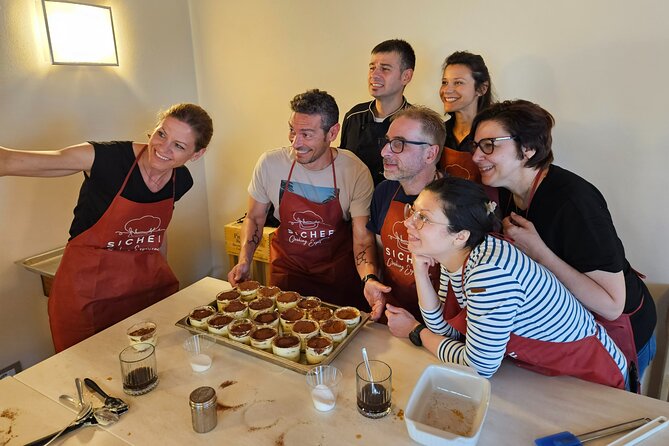
- You and your group want shared activities that end with eating the results.
- You like classic Italian recipes, especially pizza and tiramisu, and want technique you can repeat.
- You’re traveling with family or friends who enjoy interactive learning.
- You need dietary flexibility (vegetarian, vegan, gluten-free, lactose-free) and want a provider that accommodates on request.
It may be less ideal if you need a perfectly private experience where you never rotate through steps. As noted in one experience, you could spend time observing while others take turns making the dough or dessert. If that would bother you, message the provider before booking and ask how the work is handled.
Practical tips so you get the best experience
A few things I would do before you go, based on how cooking classes tend to work and what this one is designed for:
- Go hungry, but not stuffed. You’ll cook, then sample what you make.
- Wear comfortable clothes and be ready for a hands-on session. Even with careful instruction, dough prep can be messy.
- If you care about learning every step end-to-end, ask ahead how rotations work in practice.
- Bring any dietary details clearly. The class supports several needs, but you should still communicate them directly.
- Plan your day around a 3-hour session. Since you’ll end at the meeting point, you’ll have an easy time slot for the rest of your itinerary.
And if you’re the kind of person who likes to taste as you go, you’ll enjoy this, because the meal is part of the payoff.
Should you book this Chianti pizza and tiramisu class?
I think you should book if you want a small-group, skill-focused cooking experience in Chianti that ends with real food you helped make. Chef Julio’s style is described as friendly and humorous, and the combination of pizza dough work plus tiramisu assembly gives you two practical recipes, not one.
You might skip or ask questions first if you need a fully individualized prep process with no rotations. Also, consider whether you prefer a more structured, guided meal experience or a slower, restaurant-style dinner. This is built around cooking instruction, then sampling what you create.
If your goal is to leave Tuscany with pizza and tiramisu you can actually recreate, this class fits that goal very well.
FAQ
How much does the Chianti pizza and tiramisu course cost?
It costs $141.95 per person.
About how long is the experience?
The duration is about 3 hours.
How many people are in the class?
It has a maximum of 12 travelers.
What language is the class taught in?
The course is offered in English.
Where does the experience start?
The start location is Str. Spoiano, 1, 50028 Barberino Tavarnelle FI, Italy.
What dishes will I make in the class?
You’ll make pizza and tiramisù.
Is there food included after you cook?
Yes. You’ll sample the pizza and tiramisù you prepare, and pizza is accompanied by beer or wine.
Can the class accommodate dietary restrictions?
Yes. Vegetarian, vegan, gluten-free, and/or lactose-free options are available on request.
Do I get recipes to take home?
Yes. Recipes are provided to you after the class.
Is there free cancellation?
Yes, free cancellation is available. You can cancel up to 24 hours in advance for a full refund.
Just reviewed around Chianti
- Montefioralle Winery – Tour and Wine Tasting in Chianti★ 4.5 · 92 reviews
- Tour and Tasting at an Organic Winery in the Heart of Chianti Classico Area★ 5.0 · 132 reviews
- Radda in Chianti: Wine Tasting Tour with lunch at the Winery★ 4.5 · 9 reviews
- Chianti Truffle Hunting with Lunch or Dinner★ 4.0 · 5 reviews
- Classic Wine Tasting in Montalcino★ 5.0 · 8 reviews
- Private Tuscan Cooking Class And Wine Tasting in Radda in Chianti★ 5.0 · 12 reviews
- Montalcino Cooking Class and lunch with the local lady★ 4.5 · 8 reviews
- Gourmet Wine & Food Tasting★ 5.0 · 9 reviews
Chianti Wine Tours, compared.
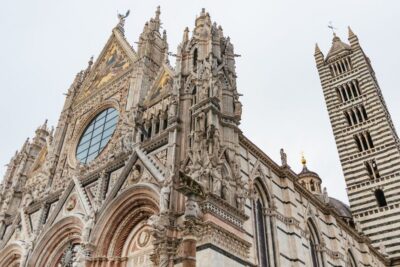
Pisa, Siena, San Gimignano, and Chianti Experience
Read our review →
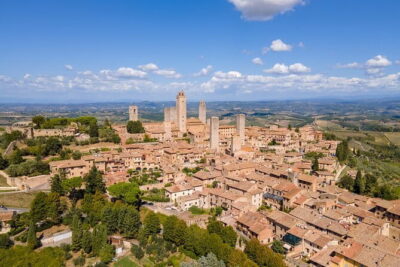
San Gimignano, Siena, Monteriggioni, Chianti Day Trip with Lunch & Wine Tasting
Read our review →
Pisa, Siena, S. Gimignano, Chianti Wine & Lunch
Read our review →
Siena, San Gimignano and Chianti Wines Day Tour from Florence
Read our review →
S. Gimignano, Siena, Chianti & Wine Tasting Lunch
Read our review →Browse the lists this tour appears in