Reviewed · TOURS
Leather and Passion: A Tour of Florentine Craftsmanship
Leather and craft in Florence is interesting because it shows how tradition can still feel current, even when the buildings are old. I love the mix of modern art with hands-on workshops, and I especially like that the day gives you a close-up look at leather craftsmanship rather than just window shopping. One thing to consider is that the exact workshop lineup can shift based on day and artisan availability.
You will do a fair amount of walking between stops, so wear comfortable shoes. The payoff is a tight circuit of working studios, where you can see materials turned into real objects step by step. If you want a totally museum-only day with lots of seated time, this route may feel too active.
Key highlights at a glance
- Modern art anchor stop with major names like Fontana and De Chirico
- Leather workshop focus where artisans turn hide into bags, jackets, and accessories
- Painter studio visit to see how inspiration becomes brushstroke work
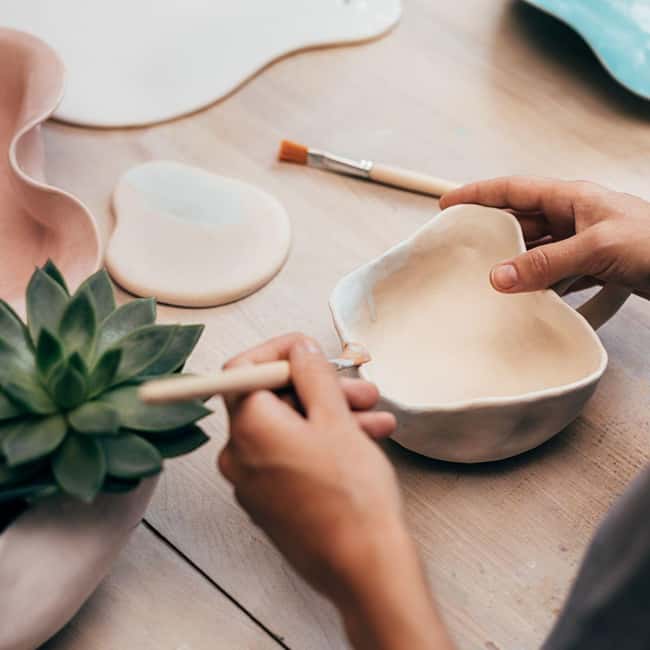
- Ceramics studio time for color, shape, and traditional technique
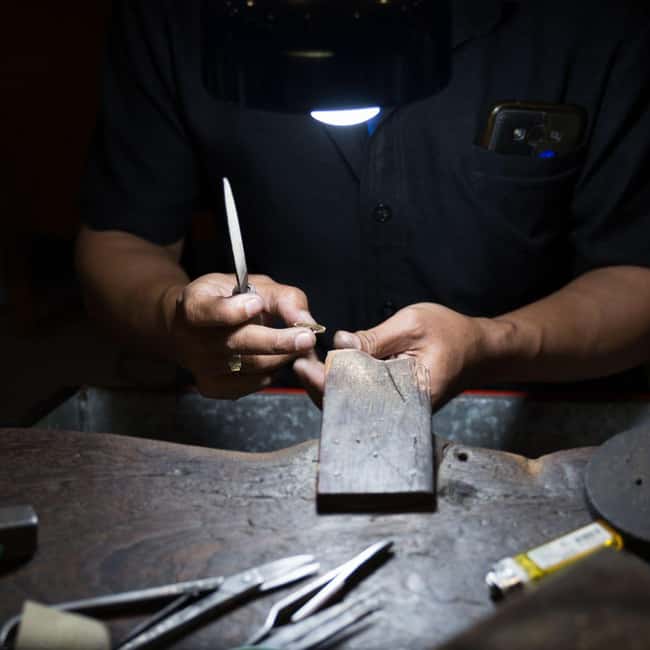
- Goldsmith or jeweler stop watching precious metals become jewelry
- Gelato included to close out the route with a simple break
From modern art to working studios: why this route works
This tour has a clever rhythm. It doesn’t start with another church or another big square. Instead, it begins with a modern art gallery visit, then moves into Florence’s craft world, where the same sense of creativity shows up in different materials. That jump, from artists like Fontana and De Chirico to working leather, ceramics, and jewelry studios, is what makes the experience click.
I like that it’s not just a “look, take a photo, move on” format. You’re visiting active craft spaces, so the city feels like a place where people still make things. You get context, too. A good guide helps you connect what you see in the art gallery to what you notice later in the workshops, like how design choices, textures, and proportion matter across mediums.
There is also value in the pace. A 2 to 4 hour window is long enough to feel like you did something real, but short enough that you can still enjoy the rest of your Florence day. And if you are the type who likes a plan, the structure helps a lot. For the 4-hour option, you get guaranteed visits to 4 to 6 workshops. For the 2-hour option, you expect 2 to 3 workshops, which keeps things focused.
More leather workshops in Florence:
- Florence: Leather Wallet-Making Workshop with Coffee
★ 5.0 · 33 reviews
How the 2-hour and 4-hour options shape your day
The biggest practical decision is time. The tour runs between 2 and 4 hours, and the workshop count scales with that.
- 2-hour tour: typically 2 to 3 workshops
- 4-hour tour: guaranteed visits to 4 to 6 workshops
In real terms, that changes what you’ll get. The shorter version is best if you want a quick taste of multiple crafts and don’t mind moving at a brisk pace. The longer version is the one I’d pick if you enjoy details and want more chances to watch how artisans work, especially in the leather and jewelry stops.
Also keep in mind: specific locations can vary depending on the day and availability of artisans. The overall craft focus stays the same, but the exact studio addresses may shift. That flexibility is normal for tours tied to working shops, and it’s part of the charm. You are visiting real people, not staged sets.
The modern art gallery stop, and why it matters
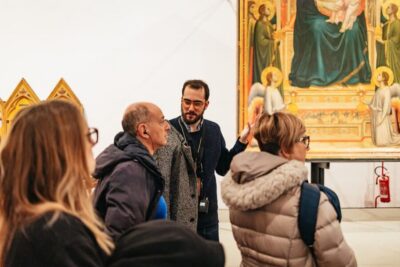
The tour begins at a prestigious gallery featuring modern and contemporary art. Names like Fontana and De Chirico are specifically mentioned, so this is not an afterthought stop. This is where the day sets its theme: creativity is alive in Florence, and it shows up in big, visual ideas, not only in traditional crafts.
What you can expect here is a guided orientation to style and mood. Modern art can feel intimidating if you arrive with zero background. A good guide helps you see what to notice. Even if you do not love every piece, you still learn something about the way Italian artists think. Look for how shapes, form, and symbolism carry meaning without needing to be literal.
This matters because the rest of the route is about making. Leatherwork, ceramics, and jewelry are also about decisions. A pattern line, a glaze color, a metal finish, even the way something sits on the body or in the hand, are design choices. Starting with modern art helps you tune your eye for those choices later.
If you are short on time, this gallery stop is still worth it. It sets a context that makes the workshops feel more connected, not like a random list of places.
The painter’s studio visit: seeing inspiration become real work
Next, you move from the gallery into a painting studio. Here, the experience shifts from viewing art to watching art made. You’re looking at a process, not just a final product.
The value of this stop is in the human scale. In a studio, you can often understand more by simply observing. Materials are out. Tools are visible. Ideas have to survive contact with paint, lighting, and time. Even without technical background, you can usually spot what matters: the layering, the brush decisions, and the way an artist works through corrections.
This is also a good moment to slow down. The leather and ceramics stops later are sensory, with textures and finishes that you can almost feel through the description. The painter’s studio is more about observation and story. It helps you appreciate that Florence’s craft tradition is not only about objects you can buy. It is also about skill built through practice, and a way of thinking that repeats across creative fields.
One caution: studios can have a particular pace and workflow. If you arrive expecting lots of free-form wandering, be ready for a guided, respectful experience that follows the artisan’s space.
A different way to spend the day in Florence:
- Florence: Skip-The-Line Uffizi Gallery Timed Entry Ticket
★ 4.5 · 27,832 reviews - Tuscany Day Trip from Florence: Siena, San Gimignano, Pisa and Lunch at a Winery
★ 5.0 · 21,634 reviews - Florence: Timed Entrance Ticket to Michelangelo’s David
★ 4.6 · 16,983 reviews - Florence: Michelangelo’s David Skip-the-Line Entry Ticket
★ 4.5 · 12,764 reviews
Leather workshop: the highlight you’ll keep remembering
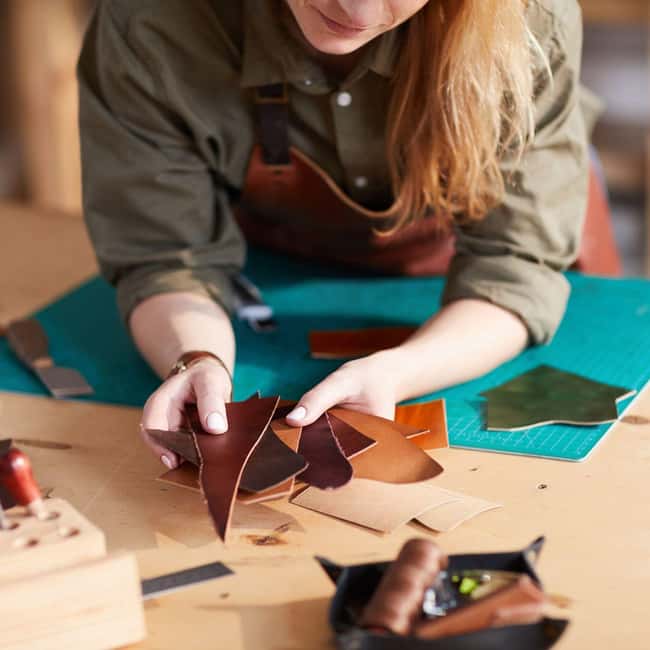
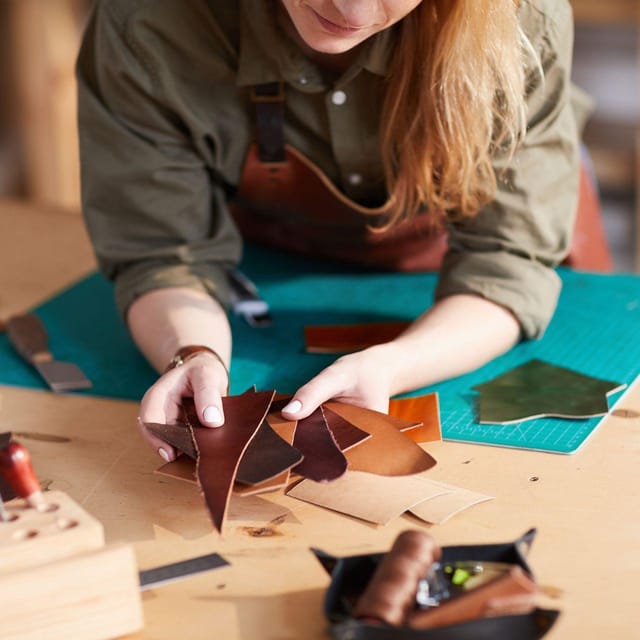
The leather workshop is the star of the show. This is the stop many people single out as the highlight, and you can see why. Leatherwork is both practical and artistic at the same time. It is about durability, comfort, and fit, but it is also about design, finishing, and how a piece ages.
Here’s what you can expect: artisans transform leather into items like bags, jackets, and accessories. You’re not just being shown a finished product wall. You’re learning how leather becomes shape, how it gets cut and assembled, and how craft shows up in details.
I love the way leatherwork connects old and modern. The raw material is classic, but the designs and techniques can feel current. That combination is what makes Florence craft special. It’s not stuck in a museum case. It’s in motion.
If you are buying a souvenir, this stop gives you the confidence to shop intelligently. Even if you do not plan to purchase, you’ll leave with better instincts for what looks well-made. Watch for how edges are finished, how pieces align, and how hardware is chosen. Those cues help you avoid the trap of buying something that looks pretty but is light on craftsmanship.
Practical tip: plan for close viewing. The best moments come when you ask your guide what to notice in the process and when you take your time with the details.
Ceramics studio: color, form, and traditional technique
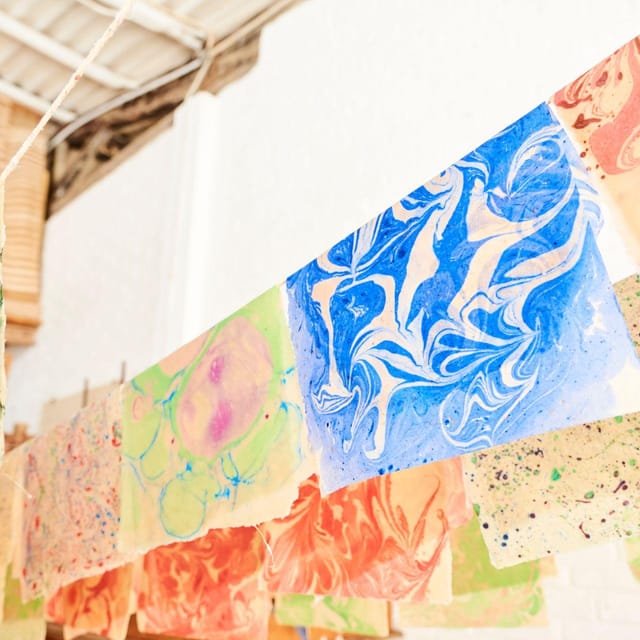
Then the route shifts to ceramics. You’ll spend time at a ceramics workshop, where the emphasis is on color and shape, with older techniques blended with innovation.
Ceramics can feel like a calm stop after leather, but it is still very active. The way clay is shaped, handled, and finished affects everything you see later. In ceramics, color matters more than you expect, especially after firing. Glaze choices can change the entire look of a piece, from soft tones to more striking contrast.
What makes this stop valuable is that ceramics is a craft where you can often spot the maker’s “signature.” A pattern might repeat in different sizes, or a glaze might consistently finish in a particular way. That helps you understand why buying from a workshop feels different than buying from a mass-produced store.
If you like functional art, ceramics is a great category. You can picture pieces in your own daily life, not only as decorative objects. And if you are building a gift list, it is often an easier sell than leather, because the range can include small and medium items.
Goldsmith or jeweler workshop: seeing precious metals become jewelry
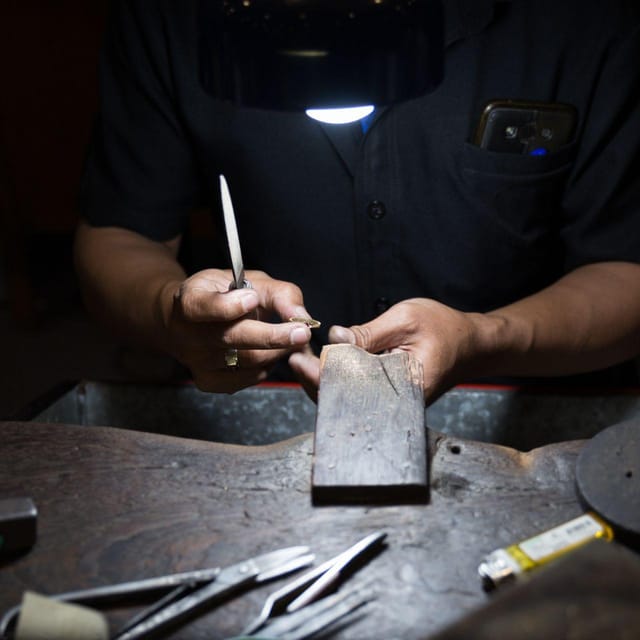
Next comes the goldsmith or jeweler stop, focused on precious metals and jewelry making. This part of the tour is a change in pace and texture, because your attention shifts from larger materials like leather panels or clay shapes to fine work.
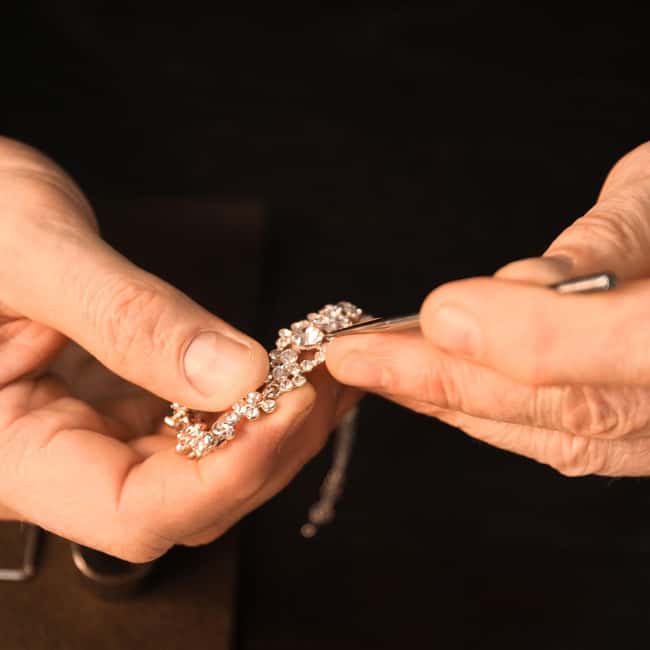
You can expect a look at how gold and precious metals are transformed into jewelry. The key is that the process turns something valuable and abstract into something wearable and personal. That’s not only romantic. It’s practical craft: cutting, shaping, finishing, and assembly.
This stop is a good reminder that Florence’s craftsmanship is not only about what you can wear. It’s also about what you can carry and remember. Jewelry can become a timeline item from your trip, especially if you know what you saw in the studio.
One consideration: jewelry workshops can be sensitive spaces where artisans work carefully. You might not be able to touch items, and photography rules may vary. Follow your guide and keep your attention on the process being explained.
Gelato break: a simple finish that fits the day
At the end, you get a sweet break with artisanal gelato. It is included, which makes the whole tour feel more complete. After hours of workshops and close attention, a cold, simple bite helps your brain reset.
This is also your moment to check in with your guide. If your group is led by someone like Vanessa, you may get extra tips for food and ice cream beyond just this included treat. In the route’s reviews, guides have been helpful with suggestions for what to eat next and where to find it.
Even if you do not plan to buy anything else, the gelato stop is a nice pause for people-watching outside the studios, and a good chance to take in your surroundings with fresh energy.
Price and value: what $77 buys you in real experience
The price is $77 per person, and it’s worth evaluating by what the day actually contains. You’re paying for three things at once:
- A live tour guide (English and Italian) to explain what you are seeing
- Access to multiple working craft spaces, not just a passive walkthrough
- A modern art gallery entry area as the thematic anchor
- Gelato included
For the 2-hour option, you typically get 2 to 3 workshops. For the 4-hour option, you’re guaranteed 4 to 6 workshops. That means the longer format spreads the cost across more stops, and it tends to feel more substantial if you like variety.
If your goal is Florence in micro form, meaning small studios, hands-on making, and real explanations, this price can make sense. If your goal is mostly sightseeing from a distance, you may feel the cost is higher than you want, because a craft tour rewards attention to detail and time inside small spaces.
The best way to judge value for yourself is to ask: do you enjoy learning how things are made? If yes, you’re in the right place.
Who this tour fits best, and who should think twice
This route is ideal if you like craft and creativity, and if you want Florence beyond the postcard. It works especially well for first-timers who want a compact introduction that still feels authentic.
It also fits couples, friends, and solo travelers who enjoy guided context. One review highlights that the experience can feel personal and family-owned, which is a good sign that you are not herded through a factory-like environment.
If you are traveling with kids, you’ll likely get value from the visual parts, like leather and ceramics. But if your child needs a lot of downtime, you might find the walking and studio time a bit structured.
The sneaker note matters. Comfortable shoes will make the whole day easier, since you’re moving between studios and streets.
If you strongly prefer big-ticket, world-famous monuments with lots of open space, then you might prefer a different day plan. This is more craft and process than sightseeing and scale.
Book it or skip it: my decision guide
I’d book this tour if you want an artful Florence day that goes beyond looking. The combination of modern art and multiple workshops creates a story arc: ideas in a gallery, then hands at work in real studios. And if leather is on your list, this is the type of experience that tends to stick in your memory.
I’d skip it if you want long museum time, or if you are not interested in craft techniques. Also consider it if you hate walking or need lots of open space and breaks.
One practical note for confidence during your day: if your guide is someone like Enrico, you may get extra help getting your bearings so you can navigate back later. That sort of local, thoughtful guidance is part of what makes a shorter Florence day feel smoother.
FAQ
How long is the Leather and Passion tour?
The duration is 2 to 4 hours.
How many workshops will I visit?
For the 4-hour tour, you are guaranteed visits to 4 to 6 workshops. For the 2-hour tour, you can expect 2 to 3 workshops.
Where does the tour start?
The meeting point is the Agency Local Guides Tour.
Is gelato included?
Yes, gelato is included.
What languages are the tours offered in?
The live tour guide is available in English and Italian.
Is the tour a walking tour?
Yes. Sneakers are recommended for the walking tour experience.
How much does it cost?
The price is $77 per person.
Is the tour guided?
Yes, it includes a live tour leader.
Can I cancel for a refund?
There is free cancellation up to 24 hours in advance for a full refund.
Is pay later available?
Yes, you can reserve now and pay later.
Just reviewed around Florence
- Tuscany: Leonardo da Vinci – Oil and Wine Discovery Tour★ 4.8 · 5 reviews
- Livorno Port, Pisa, Florence: Full-Day Shore Excursion★ 4.8 · 51 reviews
- Legends of Florence: Exclusive Walking Tour by night★ 4.9 · 70 reviews
- Illuminated Florence Tour for Kids with Gelato & Pizza★ 5.0 · 6 reviews
- Inferno Florence Private 3-Hour Tour★ 4.8 · 20 reviews
- Hidden Florence: 2-Hour Guided Walking Tour★ 4.7 · 36 reviews
- 3-Hour Historic WhoDunIt Tour in Florence★ 3.2 · 6 reviews
- Half-Day Tour from Florence: Chianti Colors & Flavors★ 3.9 · 17 reviews
Tours, compared.
The Best tour in Florence: Renaissance & Medici Tales – guided by a STORYTELLER
Read our review →
The Best Tour in Florence: Renaissance and Medici Tales
Read our review →
Hop-on Hop-off Bus Tour: 24, 48 or 72-Hour Ticket
Read our review →
Florence Accademia Gallery Tour with Entrance Ticket Included
Read our review →